Spotify’s Podcast Play Becomes Warshaw’s Ammo in Quadrennial Fight
Companies Mentioned
Why It Matters
If the FCC accepts Warshaw’s argument, it could dismantle long‑standing local‑ownership rules, reshaping the radio landscape and opening the market to larger digital‑audio conglomerates.
Key Takeaways
- •Spotify adds AI‑driven podcast playlists to Prompted Playlist feature
- •Warshaw cites this as proof digital audio rivals broadcast radio
- •FCC Quadrennial Review may reconsider local ownership rules
- •Audience data shows podcasts boosting platform engagement
Pulse Analysis
Spotify’s latest AI enhancement—Prompted Playlist now curating podcasts—marks a decisive step toward blurring the line between music streaming and talk‑format audio. By analyzing listening patterns in real time, the algorithm stitches together podcast episodes that match a user’s mood or activity, mirroring the personalized experience long associated with music playlists. This capability not only deepens user engagement but also expands Spotify’s content inventory, positioning it as a one‑stop audio hub for advertisers seeking diversified audience reach.
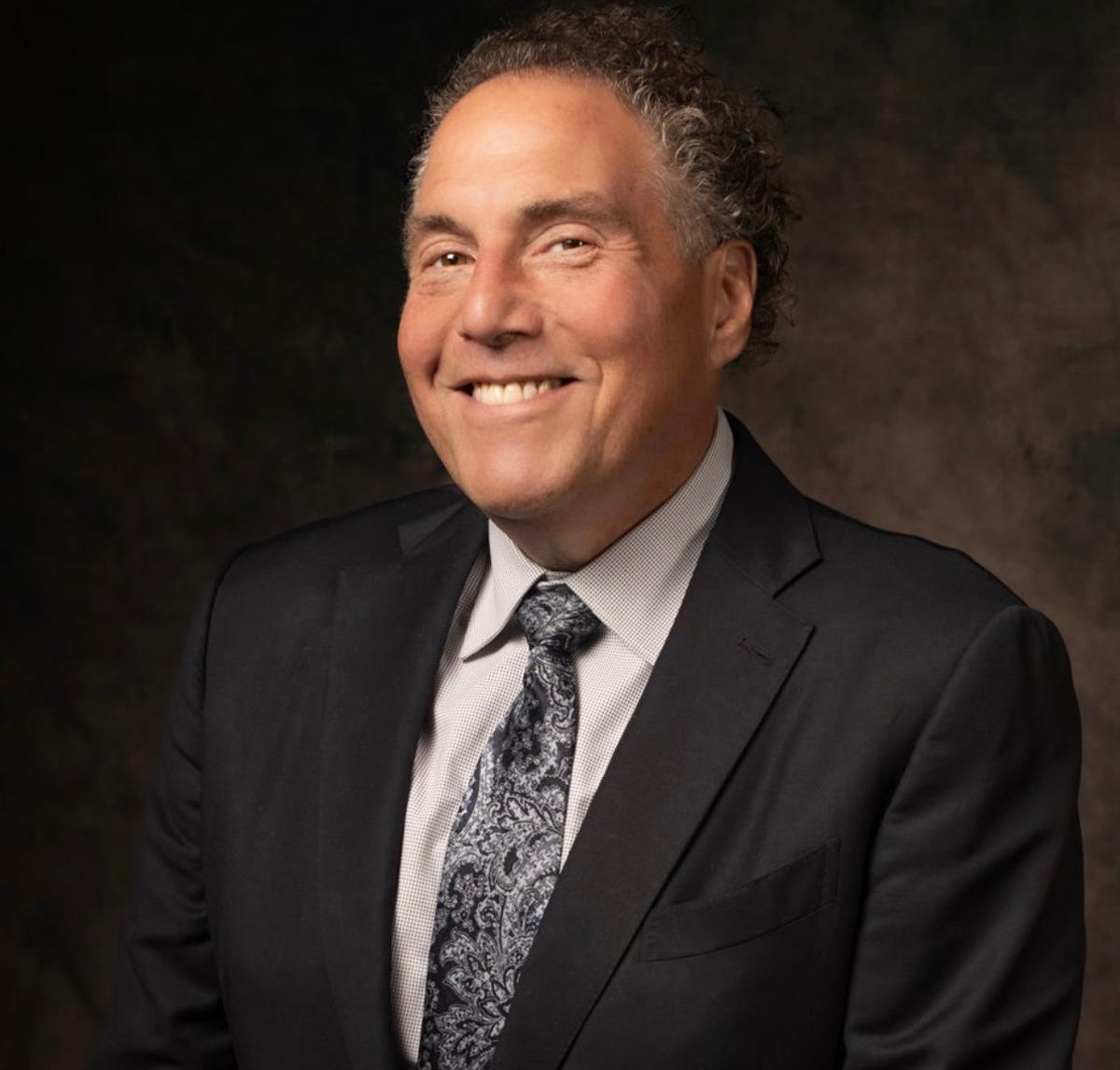
Connoisseur Media’s Jeff Warshaw is seizing the moment to press the Federal Communications Commission for regulatory reform. In supplemental comments filed on May 21, Warshaw highlights Spotify’s podcast integration as evidence that digital platforms now compete head‑to‑head with terrestrial radio for listeners and ad dollars. He argues that the FCC’s Quadrennial Review, which assesses ownership rules every five years, should drop the legacy local‑ownership safeguards that limit market concentration. Warshaw backs his claim with fresh audience measurement data showing significant podcast listenership growth, suggesting that the traditional radio model is increasingly peripheral.
The broader industry implication is a potential shift in how audio content is regulated and monetized. Should the FCC relax local‑ownership constraints, large digital players could acquire or partner with more regional stations, creating hybrid entities that blend streaming data with over‑the‑air broadcasts. Advertisers would gain access to richer cross‑platform audiences, while smaller broadcasters might face heightened competition for local ad spend. The outcome of this regulatory debate will likely set the tone for the next decade of audio media, influencing investment strategies, content acquisition, and the very definition of what constitutes a radio station in the digital age.
Spotify’s Podcast Play Becomes Warshaw’s Ammo in Quadrennial Fight
Comments
Want to join the conversation?
Loading comments...