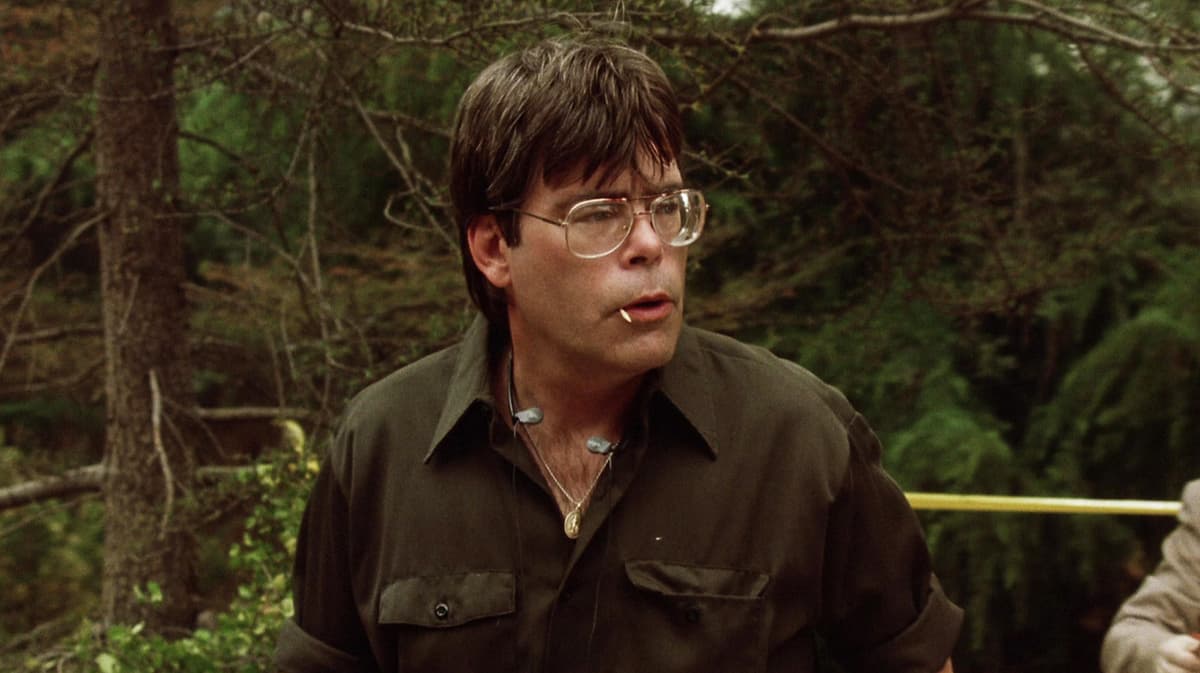
Stephen King Thinks This Sci-Fi Anthology Series Is Scarier Than The Twilight Zone
Companies Mentioned
Why It Matters
King’s endorsement reshapes critical perception of classic anthology series and underscores the lasting influence of horror storytelling on television.
Key Takeaways
- •Stephen King deems *The Outer Limits* the best horror anthology on TV
- •King calls *The Twilight Zone* sentimental, simplistic, and often corny
- •‘Demon With A Glass Hand’ hailed as Outer Limits’ most terrifying episode
- •Producer Joseph Stefano required a monster ‘bear’ before each commercial break
- •King’s *Danse Macabre* frames the series debate within horror literature
Pulse Analysis
The rivalry between *The Outer Limits* and *The Twilight Zone* reflects two distinct approaches to mid‑century anthology television. While Serling’s series (1959‑1964) blended moral parables with speculative twists, Stevens’ *Outer Limits* (1963‑1965) leaned into stark, science‑fiction‑tinged horror, delivering concise, high‑concept stories that still resonate. Both shows pioneered the anthology format, influencing later series such as *Black Mirror* and *The Haunting of Hill House*, but their tonal differences have sparked debate among fans and scholars for decades.
Stephen King’s appraisal in *Danse Macabre* carries weight because the author is both a bestselling horror novelist and a cultural commentator. He praises *The Outer Limits* for its “hard‑edged clarity of concept” and the mandatory monster “bear” that forces each episode into a visceral climax. By contrast, King dismisses *The Twilight Zone* as “sentimental” and “simplistic,” noting that its horror moments are sporadic and often diluted by moralizing. Specific episodes—like the unsettling “Demon With A Glass Hand” and the psychological torment of “Nightmare”—illustrate King’s point that the former series consistently pushes the boundaries of dread.
King’s endorsement matters for contemporary creators seeking to revive anthology storytelling. In an era of streaming platforms, producers can draw on *The Outer Limits*’ formula: a clear, unsettling premise, a tangible threat, and a concise narrative arc. This model informs modern horror anthologies that aim for immediate impact rather than prolonged moral exposition. By highlighting the series’ lasting influence, King reinforces the commercial and artistic viability of horror‑centric anthologies, encouraging networks and studios to invest in bold, concept‑driven programming.
Stephen King Thinks This Sci-Fi Anthology Series Is Scarier Than The Twilight Zone
Comments
Want to join the conversation?
Loading comments...