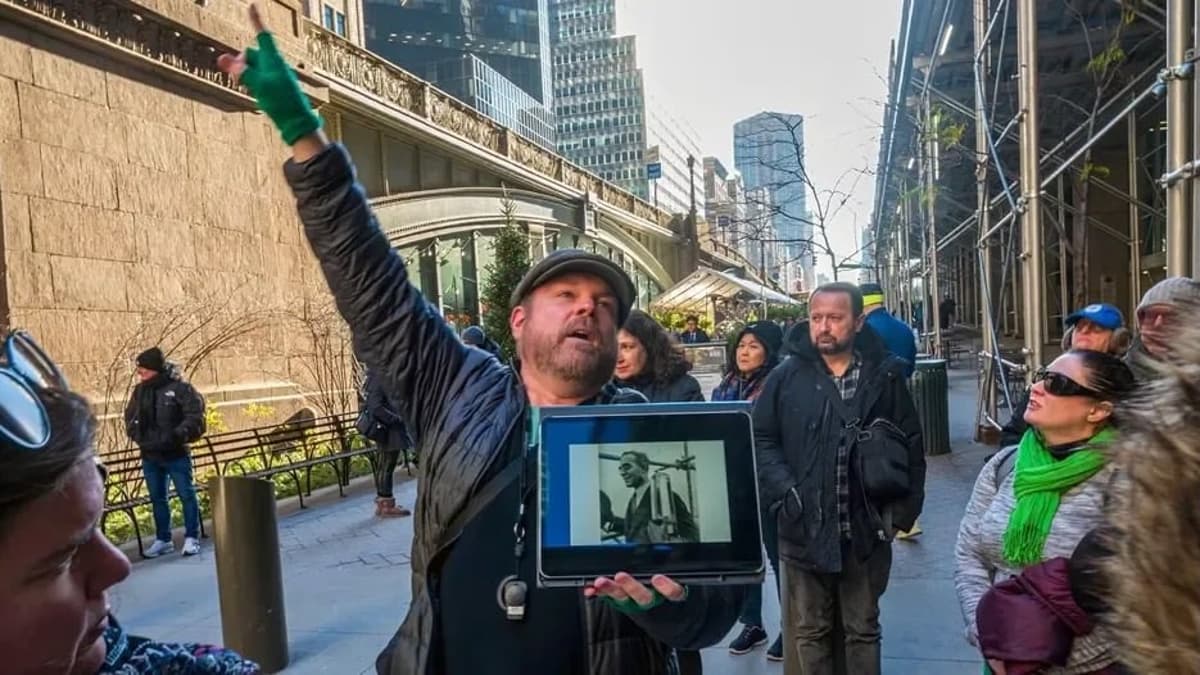
Take Your Reporting for a Walk: Why Public Media Should Pilot Walking Tours
Why It Matters
Walking tours give public media a tangible method to deepen community ties and diversify funding at a time when digital fatigue threatens audience loyalty. Successful pilots could reshape how local news is delivered and monetized nationwide.
Key Takeaways
- •Walking tours turn local news into immersive, real‑time experiences
- •Public media can monetize tours via tickets, sponsorships, and grants
- •Low‑cost pilot framework lets stations test tours with limited staff
- •Tours strengthen trust by bridging newsroom and community physically
- •Flexible staffing lets reporters, volunteers, or ops lead tours
Pulse Analysis
Experiential journalism is emerging as a response to the digital overload that has left many news consumers disengaged. While podcasts and video streams keep audiences glued to screens, they often lack the physical context that makes local stories resonate. Walking tours fill that gap by anchoring reporting in the streets, parks, and neighborhoods where the news actually unfolds, turning abstract data into sensory experience. This shift mirrors broader trends in media where live events, pop‑up newsrooms, and community forums are used to rebuild the social contract between journalists and the public.
From a business perspective, tours open multiple revenue avenues for public‑media stations traditionally reliant on memberships and underwriting. Ticketed walks can be priced modestly, attracting both loyal listeners and newcomers curious about their locale. Corporate sponsors gain hyper‑local visibility, while grant‑making bodies increasingly fund innovative audience‑development projects. Because tours are low‑cost to produce—leveraging existing editorial talent and existing promotional channels—they offer a high‑return experiment for stations seeking to diversify income without large capital outlays.
Implementing a tour pilot is straightforward thanks to Kuhlman's "Tour Guide for Journalists," which emphasizes a 60‑ to 90‑minute route, a scripted narrative, and a multi‑channel marketing push. Stations can start with a single reporter or a trained volunteer, iterating based on attendee feedback. As attendance grows, the model scales: longer thematic walks, partnerships with local museums, or integration with digital storytelling platforms. The result is a virtuous cycle—greater foot traffic builds trust, trust fuels membership, and membership sustains the newsroom’s capacity to produce the deep‑dive reporting that makes the tours compelling.
Take your reporting for a walk: Why public media should pilot walking tours
Comments
Want to join the conversation?
Loading comments...