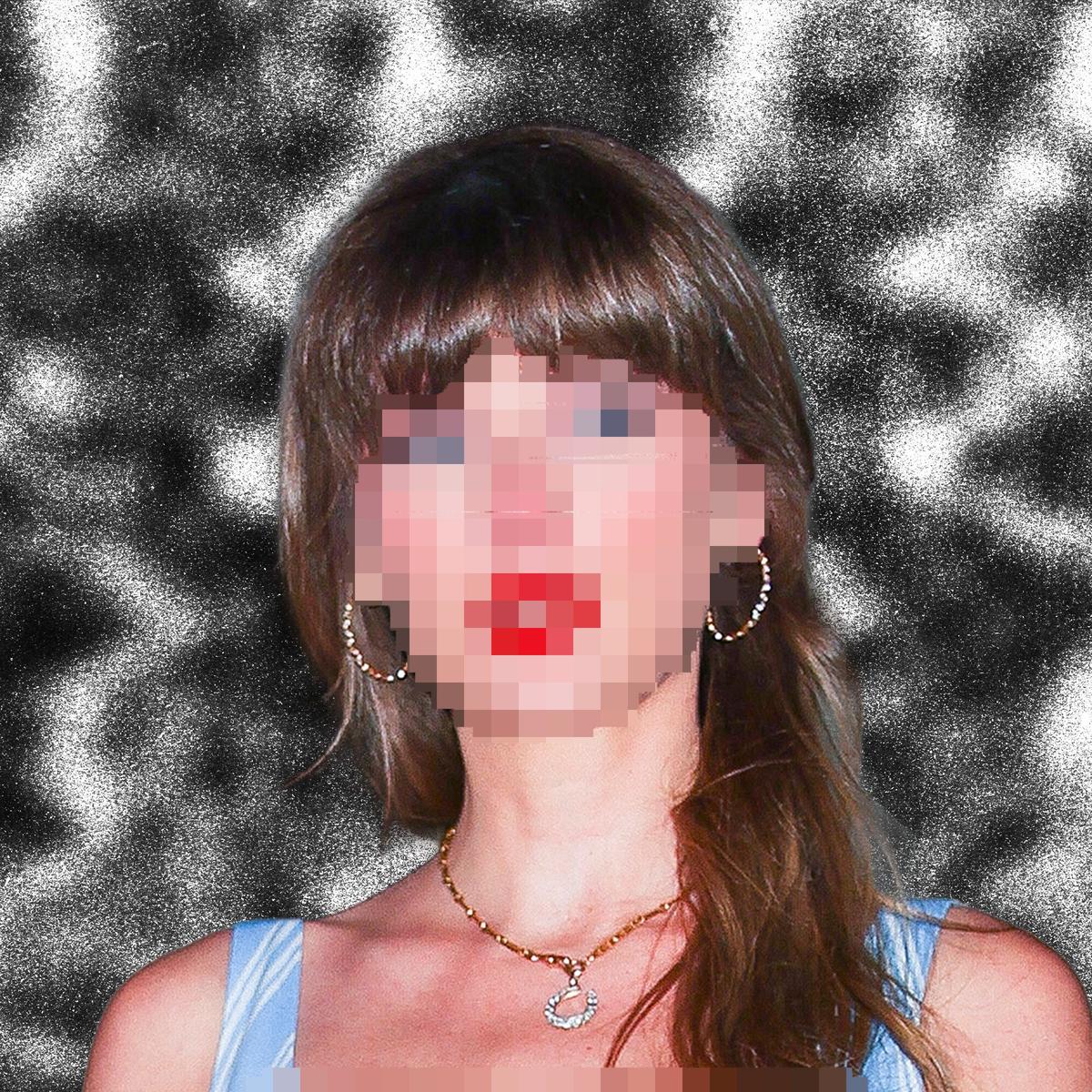
Taylor Swift Wants to Trademark Her Likeness. These TikTok Deepfake Ads Show Why


Why It Matters
The filings signal a proactive defense of intellectual property against AI‑driven impersonation, highlighting the urgent need for stronger safeguards in digital advertising. As deep‑fake scams cost billions, protecting celebrity likenesses becomes a critical component of brand integrity and consumer trust.
Key Takeaways
- •Swift filed three trademark applications covering image and voice
- •Deep‑fake ads on TikTok use AI to mimic celebrity endorsements
- •Scammers harvest personal data by directing users to fake reward sites
- •FTC reports surge in social‑media scams, with Facebook losses leading
- •Legal steps aim to protect billion‑dollar celebrity brands from reputational harm
Pulse Analysis
The entertainment industry is confronting a new frontier of intellectual‑property risk as AI tools make hyper‑realistic deep‑fakes increasingly accessible. Taylor Swift’s recent trademark filings—covering a iconic concert photograph, her voice, and catch‑phrases like “Hey, it’s Taylor”—are a direct response to TikTok videos that splice authentic footage with synthetic audio to create deceptive endorsements. By securing legal rights to her likeness, Swift aims to block unauthorized commercial use and set a precedent for other high‑profile figures navigating the AI era.
The deep‑fake advertisements uncovered by Copyleaks illustrate how scammers exploit celebrity credibility to harvest user data. In the videos, Swift appears to discuss a fictitious "TikTok Pay" program, urging viewers to click through to a site powered by the Lovable AI platform. Once on the landing page, users are prompted to submit personal information, effectively turning fan engagement into a data‑mining operation. This tactic mirrors a broader surge in social‑media scams, with the FTC noting record‑high losses, especially on Facebook and Instagram, underscoring the financial stakes for both consumers and platforms.
Beyond immediate brand protection, Swift’s trademark strategy raises questions about the adequacy of existing legal frameworks to address AI‑generated impersonation. Courts are still grappling with how to apply traditional trademark and publicity rights to synthetic media, while platforms like TikTok face pressure to enhance detection and removal mechanisms. As deep‑fake technology matures, a coordinated effort among legislators, tech companies, and rights holders will be essential to curb fraud, preserve consumer trust, and safeguard the economic value of celebrity brands.
Taylor Swift Wants to Trademark Her Likeness. These TikTok Deepfake Ads Show Why
Comments
Want to join the conversation?
Loading comments...