Teens Are Miserable, Finland Is Still Smug And Social Media Somehow Remains 'Engagement Positive'
Why It Matters
Policymakers and tech firms must address the widening gap between national happiness and teen mental health, or risk regulatory backlash and declining user trust. The findings signal a potential shift in advertising strategies toward wellbeing‑focused content.
Key Takeaways
- •Finland remains #1 in 2026 World Happiness Report
- •U.S. drops to 23rd, trailing Costa Rica and Mexico
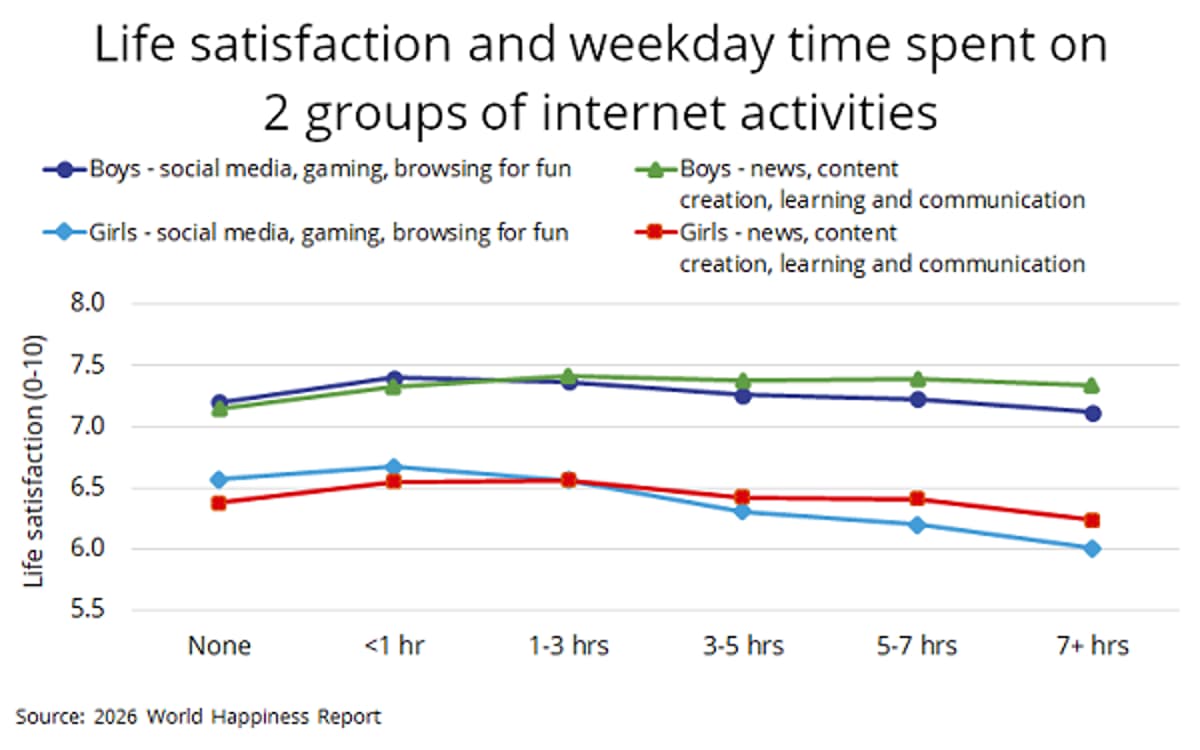
- •Teen life satisfaction falls as screen time rises
- •Social media platforms still market ‘engagement‑positive’ metrics
- •Advertisers may need to pivot to wellbeing‑centric messaging
Pulse Analysis
The latest World Happiness Report underscores Finland’s continued dominance in national wellbeing, a position bolstered by strong social safety nets, low corruption, and high trust in public institutions. The United States, by contrast, fell to 23rd place, a drop that reflects growing socioeconomic divides, rising cost‑of‑living pressures, and a fragmented political climate. For investors and corporate strategists, these rankings serve as a barometer of consumer confidence and purchasing power, influencing everything from retail foot traffic to talent acquisition in high‑growth regions.
A deeper dive into the report reveals a troubling trend among adolescents: increased time spent on social media, gaming, and passive browsing correlates with lower self‑reported life satisfaction. Researchers point to the dopamine‑driven feedback loops of platform algorithms that prioritize endless scroll over meaningful interaction, exacerbating feelings of isolation and anxiety. This generational mental‑health crisis is prompting schools, parents, and health providers to call for stricter screen‑time guidelines and more robust digital‑literacy curricula, creating a new market for wellness‑focused tech solutions.
For the tech industry, the paradox of “engagement‑positive” platforms amid declining teen wellbeing presents both risk and opportunity. Brands that continue to chase raw engagement metrics may face heightened scrutiny from regulators and a skeptical public, potentially eroding ad revenue. Conversely, companies that embed mental‑health safeguards—such as usage reminders, content moderation, and partnerships with mental‑health NGOs—can differentiate themselves and attract advertisers seeking socially responsible placements. As the conversation shifts from pure engagement to holistic user experience, the next wave of digital innovation will likely prioritize wellbeing as a core performance indicator.
Teens Are Miserable, Finland Is Still Smug And Social Media Somehow Remains 'Engagement Positive'
Comments
Want to join the conversation?
Loading comments...