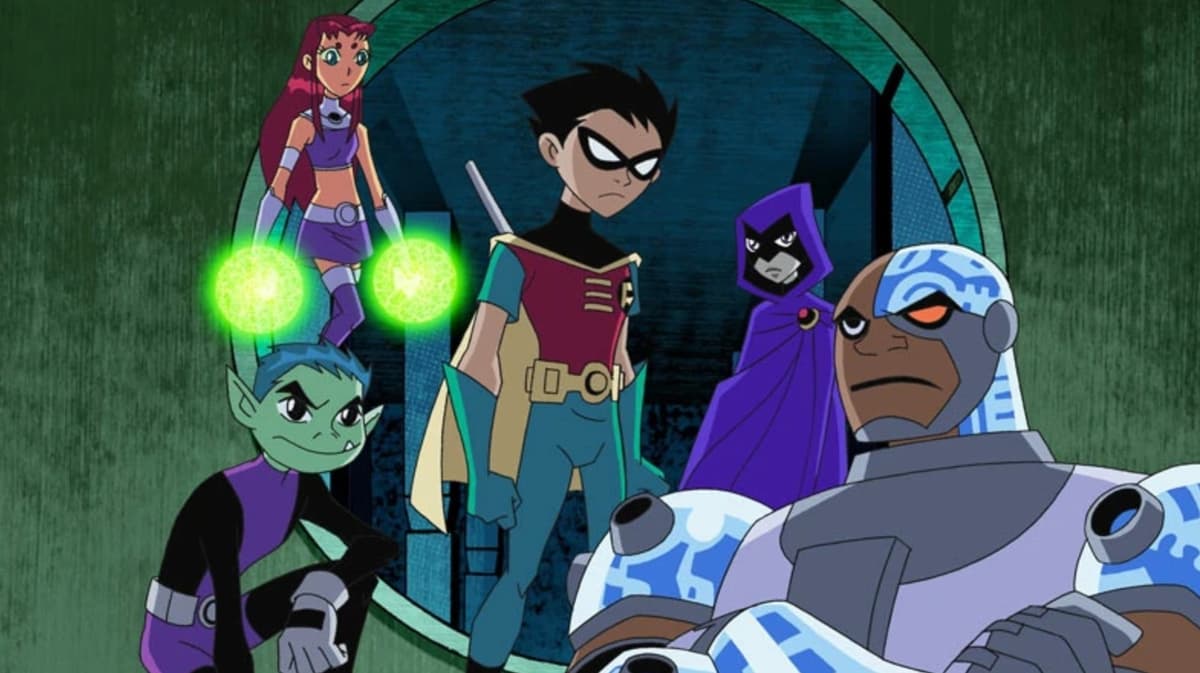
The Boys Season 5 Parodies DC's Teen Titans With A Takedown Of Influencer Culture
Companies Mentioned
Why It Matters
The satire highlights how influencer economics mirror corporate‑driven superhero branding, raising questions about authenticity and consumer manipulation in digital media.
Key Takeaways
- •Teenage Kix earn ~$50 k per pulse from brand endorsements
- •Costumes covered in sponsorship stickers mimic NASCAR‑style advertising
- •Episode expands series’ critique from extremist propaganda to influencer culture
- •Parody links Teen Titans archetypes to modern TikTok fame
Pulse Analysis
The fifth season of “The Boys” continues its tradition of using exaggerated super‑heroics to comment on real‑world power structures. In episode two, “Teenage Kix,” the show swaps the classic Teen Titans formula for a quartet of Gen‑Z influencers whose powers are secondary to their follower counts. Jetstreak, Sheline, Countess Crow and the hulking Rock Hard are dressed in outfits splashed with corporate logos, turning each fight scene into a live‑streamed ad. The writers even cite a fictional payout of $50,000 per pulse, a figure that mirrors the six‑figure deals top TikTok creators command today.
Beyond the jokes, the episode serves as a case study in the economics of modern influence. Real‑world influencers monetize every second of content through brand deals, affiliate links, and product placements—practices that the show amplifies to absurdist levels. By quantifying the revenue per “pulse,” the series forces viewers to confront how sponsorships can dictate narrative, even in a world of superpowers. This mirrors the rise of influencer‑driven marketing budgets, which now rival traditional TV ad spends, and underscores the blurring line between entertainment and commerce for younger audiences.
The broader media landscape is taking note. Superhero franchises have long been vehicles for cultural commentary, but “The Boys” pushes the envelope by directly targeting the influencer ecosystem. As streaming platforms compete for attention, meta‑satire like this offers both a hook and a warning: the next villain may not wear a cape, but a branded hoodie and a smartphone. The episode’s blend of comic‑book nostalgia and digital‑age critique positions it as a touchstone for creators seeking to reflect—and perhaps reshape—the economics of fame.
The Boys Season 5 Parodies DC's Teen Titans With A Takedown Of Influencer Culture
Comments
Want to join the conversation?
Loading comments...