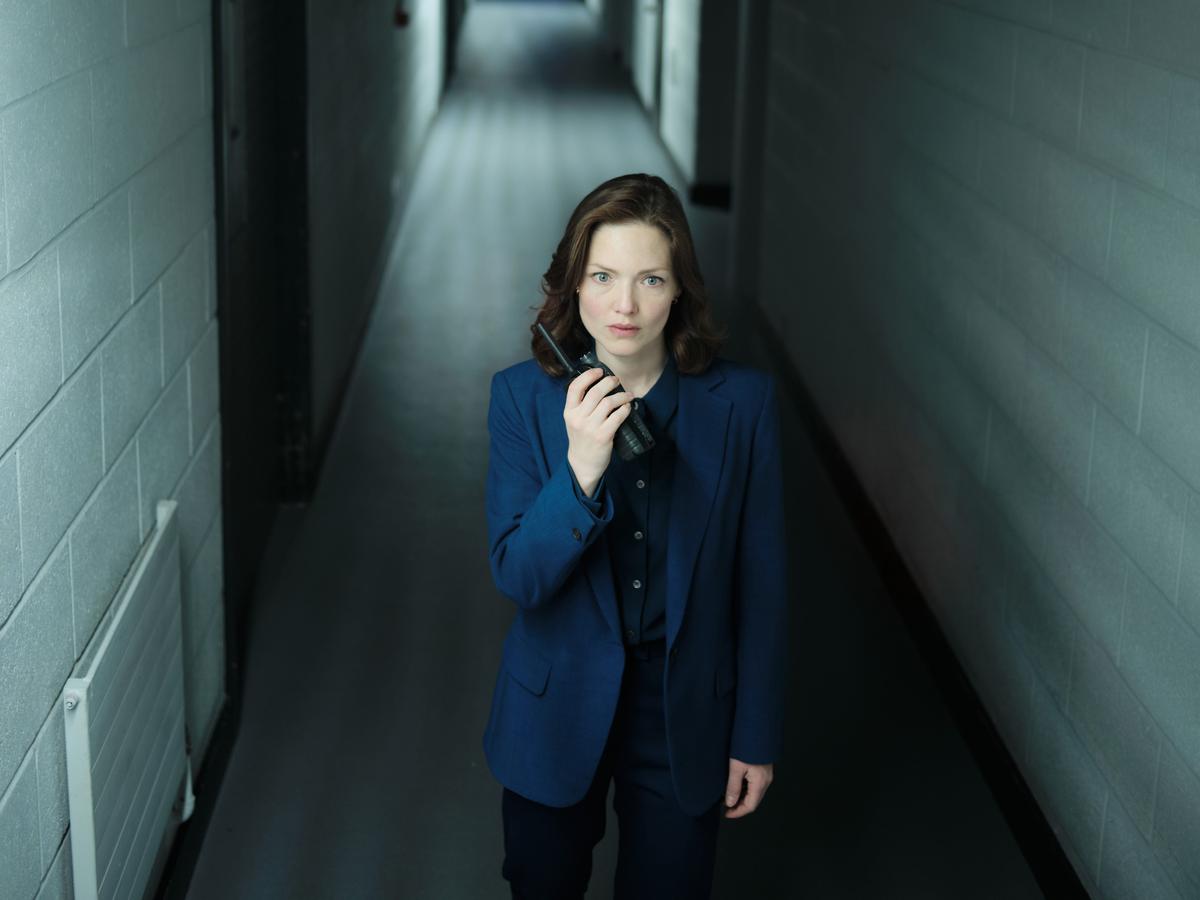
The Capture Branded "Best Thriller on TV" And "BBC's Most Underrated Drama" In Season 3 Reviews
•March 6, 2026
0
Why It Matters
The show taps into growing public anxiety over surveillance and synthetic media, reinforcing the demand for sophisticated, socially relevant drama on broadcast and streaming platforms.
Key Takeaways
- •Season 3 returns after four‑year hiatus.
- •Holliday Grainger now Acting Counter‑Terrorism Commander.
- •New surveillance system drives plot amid London terror.
- •Early reviews hail it as TV’s best thriller.
- •Rotten Tomatoes scores previously hit 92% and 100%.
Pulse Analysis
The resurgence of high‑concept thrillers like The Capture reflects a broader appetite for narratives that interrogate technology’s dark side. As deep‑fake videos become commonplace, audiences are drawn to stories that dramatise the erosion of objective truth. By centring a counter‑terrorism commander who must balance public safety with civil liberties, the series mirrors real‑world policy debates, making its suspense both entertaining and culturally resonant.
Beyond its topical premise, The Capture distinguishes itself through meticulous production values and strong performances. Holliday Grainger’s evolution from detective to commander adds a layer of character depth, while veteran actors Lia Williams and Indira Varma enrich the ensemble. The show’s prior seasons achieved near‑perfect Rotten Tomatoes scores, setting high expectations that early reviews suggest it meets, if not exceeds, with tighter pacing and more audacious plot twists. Such critical acclaim bolsters BBC One’s reputation for delivering premium drama.
From an industry perspective, the series illustrates the symbiotic relationship between linear broadcast and on‑demand streaming. Airing simultaneously on BBC One and iPlayer maximises reach, catering to traditional viewers and cord‑cutters alike. As the potential final season, it also signals a shift toward limited‑run, high‑budget series that can compete with global streaming giants. The Capture’s success may encourage networks to invest in similarly ambitious, issue‑driven projects, reinforcing the commercial viability of thought‑provoking thrillers in a crowded content landscape.
The Capture branded "best thriller on TV" and "BBC's most underrated drama" in season 3 reviews
0
Comments
Want to join the conversation?
Loading comments...