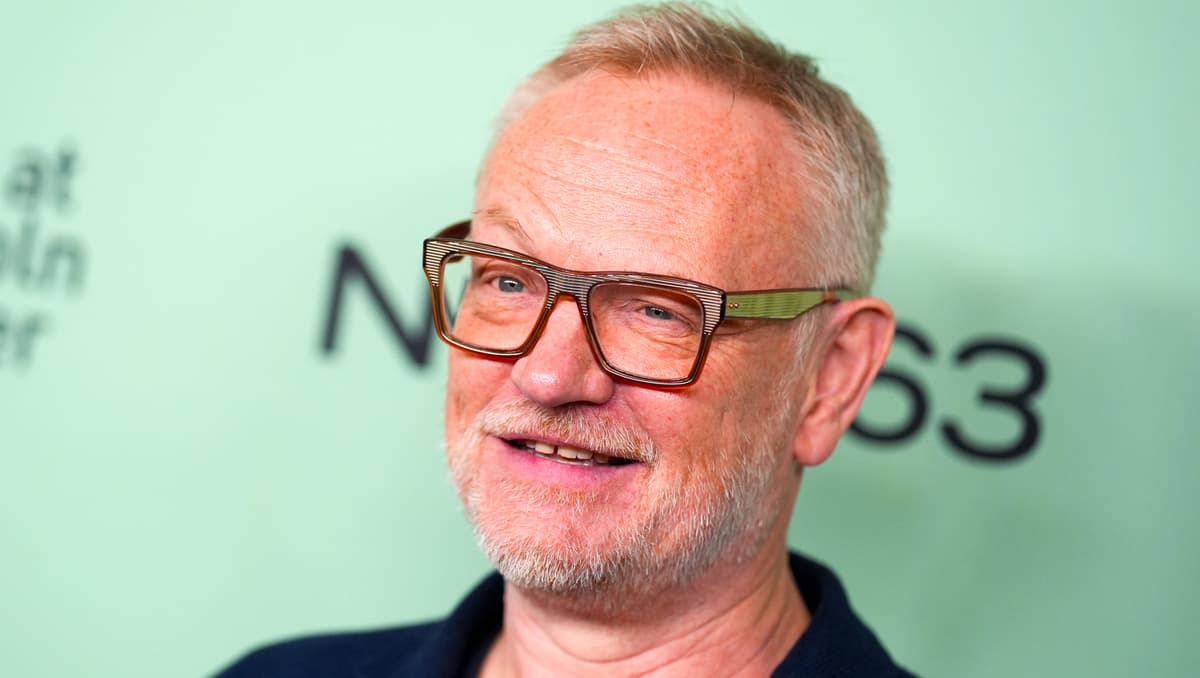
‘The Crown’ Star Jared Harris Instructs Lawyers Over AI Podcast Deepfake: “A Perfect Example Of Concern Creatives Have Over Misuse Of AI”
•March 4, 2026
0
Why It Matters
The case sets a practical precedent for enforcing publicity rights against AI‑generated likenesses, urging media producers to secure consent before leveraging synthetic representations.
Key Takeaways
- •Harris sued over unauthorized AI deepfake usage.
- •Podcast removed Harris's AI‑generated image after cease‑and‑desist.
- •Highlights lack of clear AI consent standards in entertainment.
- •Raises questions on copyright, publicity rights, and AI training data.
- •Signals potential legal pushback for AI‑driven marketing.
Pulse Analysis
The rise of AI‑generated deepfakes has forced the entertainment industry to confront a legal gray area that blends technology with personal rights. While courts have long recognized the right of publicity, the ability to recreate a performer’s voice or visage with algorithms challenges traditional enforcement mechanisms. Harris’s swift legal response underscores how contractual clauses and state‑level statutes are being tested against synthetic media, prompting lawyers to draft more explicit AI usage clauses and to advise talent on protecting their digital identities.
Podcasters and content creators are now navigating a delicate balance between innovation and consent. *Films Not Made* leveraged AI to resurrect dead Hollywood pitches, a concept that could attract audiences hungry for nostalgic content. However, the backlash from Harris illustrates that commercial ventures cannot assume implied permission, even when the AI model is trained on publicly available material. Industry best practices are evolving to include pre‑clearance processes, licensing agreements for synthetic likenesses, and transparent disclosures to audiences, thereby mitigating reputational risk and potential litigation.
Looking ahead, regulators may codify consent requirements for AI‑generated representations, mirroring emerging legislation in the European Union and several U.S. states. Companies that proactively adopt consent‑driven workflows will gain a competitive edge, positioning themselves as responsible innovators. For businesses, the takeaway is clear: integrate AI ethics checks, secure explicit rights for any synthetic portrayal, and stay abreast of evolving legal standards to avoid costly disputes and preserve brand integrity.
‘The Crown’ Star Jared Harris Instructs Lawyers Over AI Podcast Deepfake: “A Perfect Example Of Concern Creatives Have Over Misuse Of AI”
0
Comments
Want to join the conversation?
Loading comments...