The FBI Is Reportedly Investigating a Leak to an Atlantic Writer
Why It Matters
The alleged probe underscores a growing clash between federal law‑enforcement tactics and press freedom, potentially chilling investigative reporting on powerful officials. It also highlights the legal and reputational risks media outlets face when covering high‑profile government figures.
Key Takeaways
- •FBI reportedly opened leak probe targeting Atlantic reporter Sarah Fitzpatrick.
- •Agency spokesperson denied any investigation, calling reports false.
- •Patel sued Atlantic for $250 million, alleging fabricated allegations.
- •Prior FBI actions have seized journalists’ devices, raising press‑freedom concerns.
- •Legal experts warn case could set precedent for government scrutiny of reporters.
Pulse Analysis
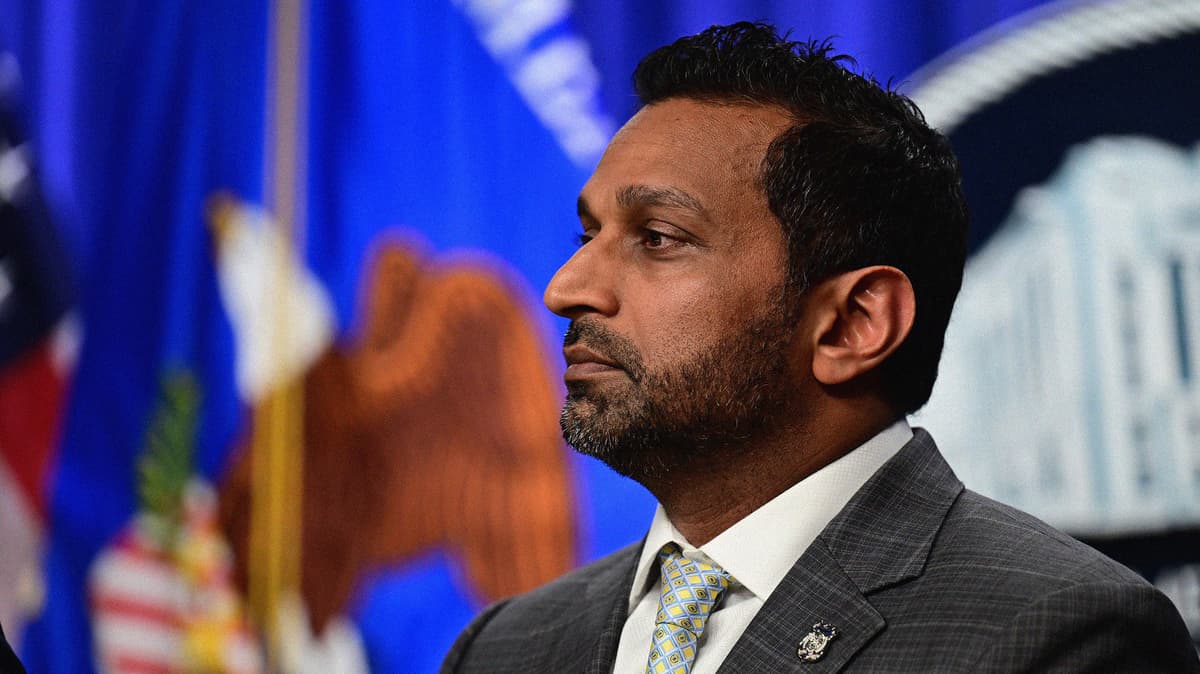
The controversy began when The Atlantic published a detailed expose on FBI Director Kash Patel, alleging frequent intoxication, unexplained absences, and misuse of agency resources. The piece, authored by Sarah Fitzpatrick, drew swift retaliation: Patel filed a $250 million defamation lawsuit claiming the magazine fabricated the allegations. Shortly after, media outlet MS NOW reported that the FBI had launched a leak investigation aimed at Fitzpatrick herself, a move that would invert the usual practice of probing sources rather than reporters. While the FBI’s public affairs office flatly denied the existence of such an inquiry, the mere suggestion of a criminal probe into a journalist’s communications has ignited a firestorm among press‑freedom advocates.
This incident is not isolated. Earlier this year, FBI agents executed a search warrant at Washington Post reporter Hannah Natanson’s home, seizing her phone as part of a probe into a contractor’s alleged mishandling of classified material. In March, the bureau briefly investigated New York Times reporter Elizabeth Williamson after she wrote about Patel’s alleged favoritism, though that case was ultimately dropped. These actions illustrate an emerging pattern where federal investigators appear willing to scrutinize journalists’ notes, devices, and contacts—tactics traditionally avoided to preserve First Amendment protections.
The stakes extend beyond a single lawsuit. If the leak investigation proceeds, it could set a precedent for law‑enforcement agencies to target reporters whenever coverage displeases powerful officials, chilling the flow of critical information to the public. Media organizations are already bolstering legal defenses and lobbying for stronger shield laws. For the broader industry, the episode serves as a warning that investigative journalism on government misconduct may now carry heightened legal and operational risks, prompting newsrooms to reassess security protocols and source‑protection strategies.
The FBI Is Reportedly Investigating a Leak to an Atlantic Writer
Comments
Want to join the conversation?
Loading comments...