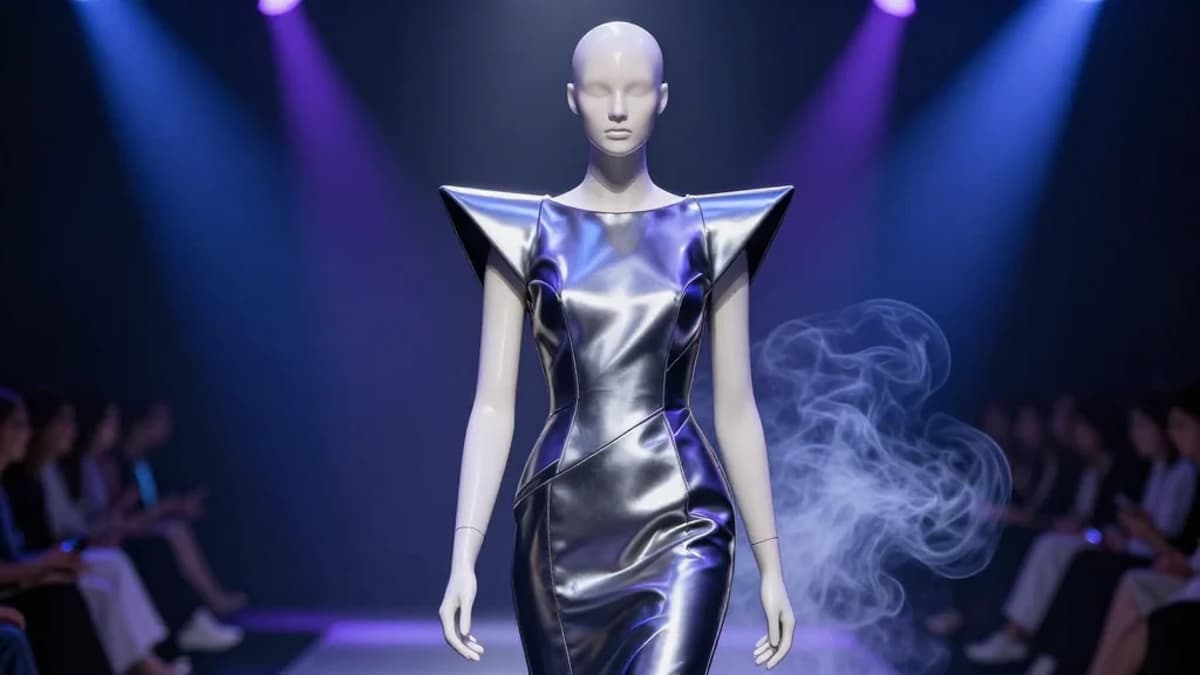
‘The Hunger’ by Way of Bertolucci: Costume Designer Sarah Evelyn on ‘The Beauty’
•March 4, 2026
0
Why It Matters
Costume design now drives narrative impact and brand identity in prestige TV, influencing audience engagement and ancillary revenue streams. Murphy’s systematic, high‑budget approach showcases how fashion‑centric storytelling can differentiate a series in a crowded streaming market.
Key Takeaways
- •Evelyn blends sci‑fi aesthetic with contemporary fashion.
- •Collaboration with art department drives texture‑focused visual language.
- •Star casting influences bold, character‑specific costume choices.
- •Extensive R&D yields custom pieces, rare for modern series.
- •Murphy’s dedicated costume producer ensures design consistency across shows.
Pulse Analysis
"The Beauty" illustrates how television is evolving into a fashion runway, where costume design is as integral to storytelling as plot. Sarah Evelyn faced the paradox of creating a look that feels both hyper‑modern and rooted in classic cinema influences. By extracting emotional cues from films like "The Hunger" rather than copying them, she crafted a wardrobe that feels instantly current while hinting at a speculative future, reinforcing the series’ hybrid horror‑satire tone.
The production’s visual language hinges on a meticulous partnership between costume and art departments. Evelyn emphasized texture and color, contrasting gauzy curtains with stark hospital settings, and developing bespoke pieces such as latex two‑piece ensembles and alligator‑pattern jackets. This level of research and development, uncommon in contemporary dramas, elevates the show’s aesthetic credibility and sets a new benchmark for on‑demand series that aim to blur the line between high fashion and narrative realism.
From a business perspective, Murphy’s investment in a dedicated costume producer and extensive wardrobe budgets signals a strategic shift toward visual differentiation as a competitive asset. High‑profile casting amplifies this effect, allowing designers to push boundaries that can translate into merchandising opportunities and cross‑industry collaborations. As streaming platforms vie for subscriber attention, shows that marry compelling storytelling with avant‑garde design—like "The Beauty"—stand to capture both critical acclaim and lucrative ancillary markets.
‘The Hunger’ by Way of Bertolucci: Costume Designer Sarah Evelyn on ‘The Beauty’
0
Comments
Want to join the conversation?
Loading comments...