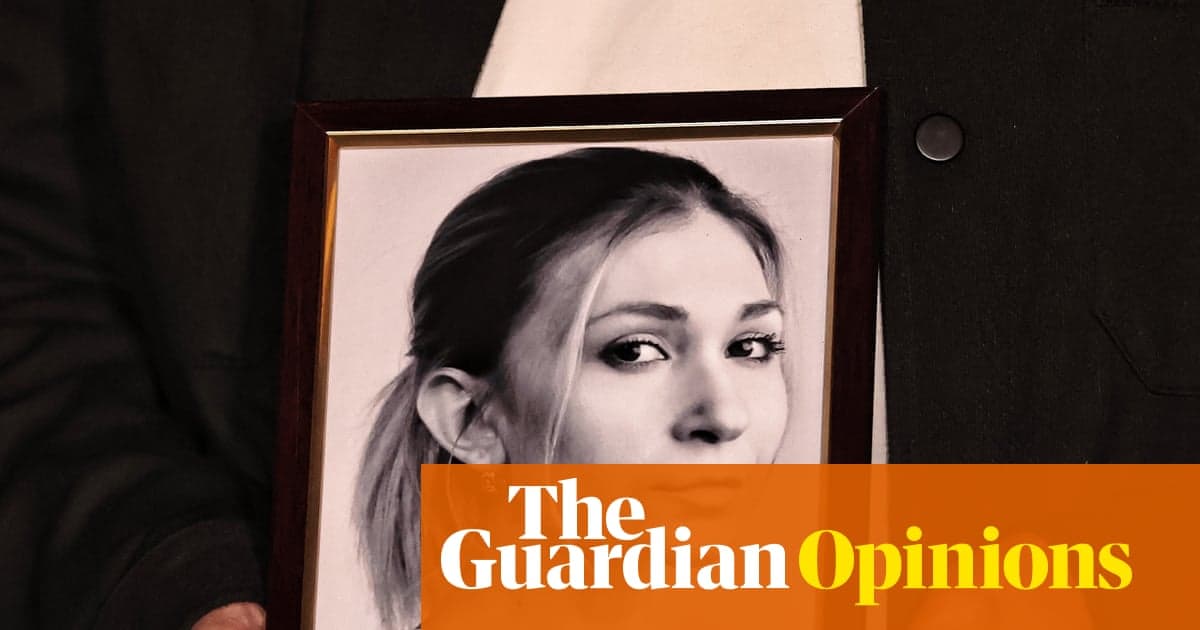
The Missing Ukrainian Reporter, the Russian Prison – and a Vital Lesson Learned About Journalism in a Dangerous Age | Laurent Richard
Why It Matters
The case proves that coordinated, multinational investigations can expose state‑sanctioned abuses and deter repression, reshaping how dangerous‑zone journalism is protected and delivered.
Key Takeaways
- •Viktoriia Roshchyna’s body returned after 2025 prisoner exchange.
- •Her death highlighted torture signs and missing organs.
- •Forbidden Stories coordinated 30+ journalists across borders to reconstruct her case.
- •Collaborative investigations led to EU sanctions on her captors.
- •Survey shows 70% of threatened journalists fear cross‑border probes.
Pulse Analysis
The disappearance and eventual return of Viktoriia Roshchyna’s remains illustrate the lethal risks journalists face in conflict zones. Her work in Russian‑occupied Ukraine aimed to document a hidden network of disappearances, yet she became a victim of the very system she was exposing. Forensic findings of missing eyes, brain and larynx point to an intent to erase evidence of torture, highlighting the extreme lengths authoritarian regimes will go to silence dissent. This tragedy has sparked renewed scrutiny of Russia’s detention facilities, often described as a "Russian Guantánamo," and raised questions about international accountability for war‑time crimes.
Forbidden Stories’ response showcases a new paradigm in investigative journalism. By assembling reporters from Ukrainska Pravda, iStories, The Guardian, The Washington Post and other outlets, the consortium leveraged open‑source intelligence, satellite mapping and first‑hand testimonies to reconstruct Roshchyna’s final months. The 3‑D visualisation of Taganrog prison and the mapping of detention routes turned fragmented clues into a coherent narrative that no single newsroom could have produced alone. This collective effort not only filled critical knowledge gaps but also amplified the story’s reach, compelling policymakers to act.
The broader impact extends beyond one case. Following the publication of the "Viktoriia Project," the EU imposed sanctions on individuals linked to her detention, demonstrating that coordinated reporting can trigger concrete diplomatic responses. A survey of over 200 journalists in 53 countries revealed that 70% view cross‑border investigations as their greatest protection against repression. As threats become increasingly transnational, the collaborative model championed by Forbidden Stories is poised to become essential for safeguarding press freedom and ensuring that stories survive even when individual reporters are targeted.
The missing Ukrainian reporter, the Russian prison – and a vital lesson learned about journalism in a dangerous age | Laurent Richard
Comments
Want to join the conversation?
Loading comments...