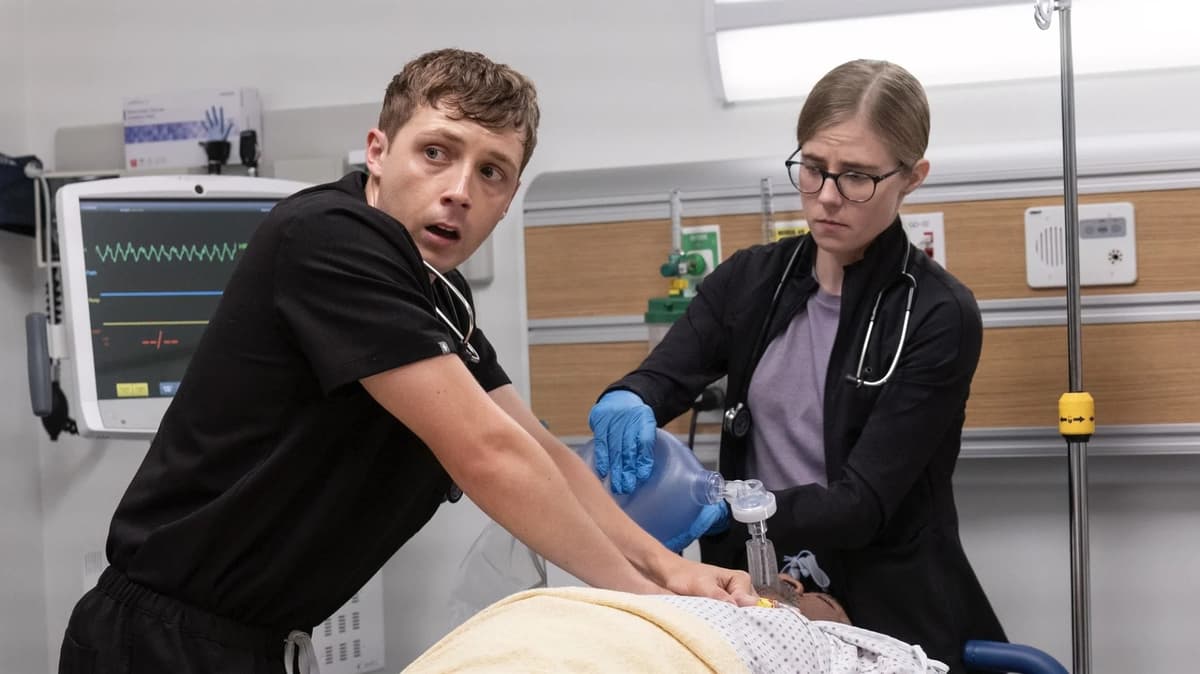
The Pitt's Biggest Season 2 Plotline Is Something That Happens A Lot, Says A Real ER Doctor
Why It Matters
The storyline underscores a genuine vulnerability in hospital operations, reminding both viewers and industry leaders that EMR reliability is critical to patient safety and care efficiency.
Key Takeaways
- •EMR outages can last 20 minutes to three hours
- •Downtime forces manual charting, risking errors and delays
- •Safety checks like allergy alerts disappear during system failures
- •Outages are routine for maintenance or cyber‑threat prevention
- •TV drama highlights a genuine, ongoing hospital challenge
Pulse Analysis
The Pitt’s latest season taps into a growing audience appetite for authentic medical storytelling, and its focus on electronic medical record (EMR) failures resonates because it mirrors a real‑world pain point. By dramatizing a three‑hour system blackout, the show not only heightens tension for its characters but also educates viewers on the hidden infrastructure that underpins modern emergency care. This narrative choice differentiates the series from other procedurals that often gloss over the technology that drives clinical decisions.
In actual hospitals, EMR downtime is far from rare. Health systems schedule routine maintenance, and cyber‑security threats can trigger emergency shutdowns that leave clinicians without instant access to patient histories, lab results, and automated safety checks. During these windows, physicians must rely on handwritten notes, manually verify allergies, and cross‑check medication interactions—processes that increase the likelihood of human error and slow treatment. Studies estimate that even brief EMR interruptions can extend patient length of stay and elevate adverse event risk, underscoring why the industry treats system resilience as a top priority.
The spotlight on EMR outages in popular media may accelerate industry dialogue about redundancy and backup solutions. Vendors are exploring offline‑first architectures, real‑time data mirroring, and AI‑driven alerts that function without continuous connectivity. Meanwhile, hospital administrators are investing in robust disaster‑recovery protocols to mitigate workflow disruption. As viewers watch The Pitt grapple with these challenges, the series inadvertently amplifies a call for smarter, more resilient health‑IT ecosystems—an issue that will shape hospital operations and patient outcomes for years to come.
The Pitt's Biggest Season 2 Plotline Is Something That Happens A Lot, Says A Real ER Doctor
Comments
Want to join the conversation?
Loading comments...