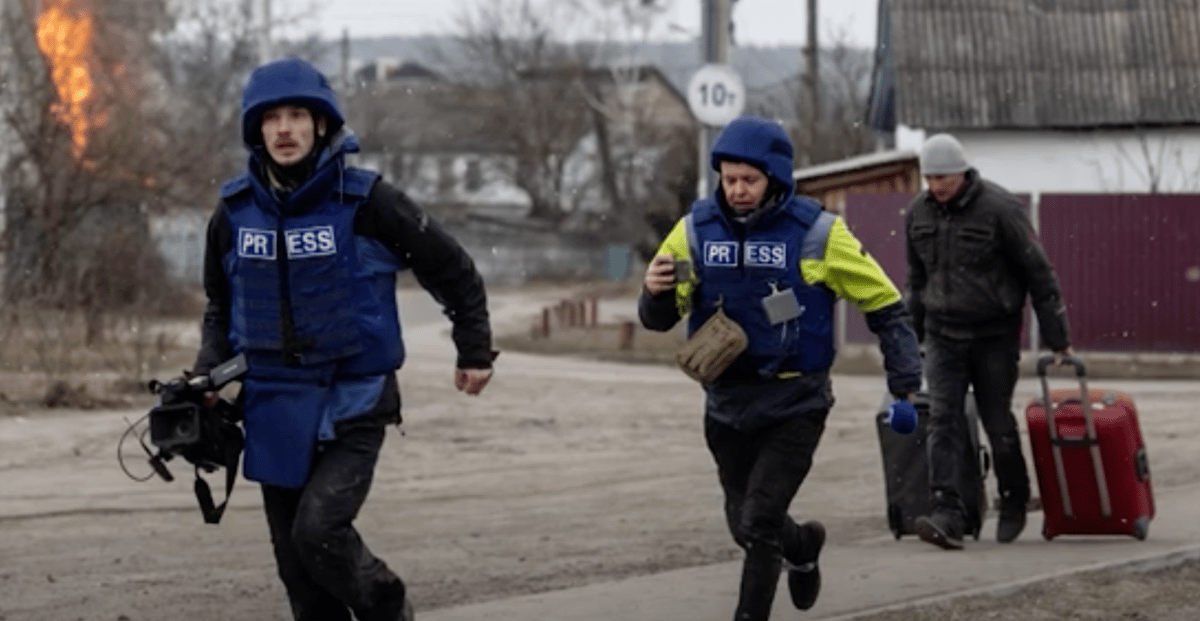
The Rise in Murders, Attacks, and Harassment of Journalists in Europe
•March 3, 2026
0
Why It Matters
The erosion of journalist safety undermines media pluralism, fuels disinformation, and weakens the democratic checks that independent reporting provides across Europe.
Key Takeaways
- •Alerts tripled from 106 to over 2,300 since 2015.
- •Only ~20% of alerts resolved; <33% receive government response.
- •Four journalists killed in Russia war; attacks in Georgia, Serbia.
- •Women journalists face heightened online harassment and unlawful surveillance.
- •EMFA and Anti‑SLAPP Directive lack consistent enforcement.
Pulse Analysis
The surge in threats against European journalists reflects a broader crisis of media freedom that has intensified over the past decade. Data from the Council of Europe’s safety platform show alerts climbing from just over a hundred in its inaugural year to more than 2,300 by 2025, signalling a systemic rise in physical assaults, legal harassment, and digital intimidation. While the platform was created to prompt swift state action, the stark reality is that fewer than one‑in‑three alerts elicit any official response, and only a fifth are closed, highlighting a chronic failure of accountability that emboldens perpetrators.
Beyond isolated incidents, the pattern of violence is intertwined with political pressures that erode journalistic independence. In Russia‑occupied territories, four reporters lost their lives, and high‑profile cases such as the car bomb aimed at Sigfrido Ranucci illustrate the willingness of hostile actors to silence investigative work. Meanwhile, countries like Georgia, Serbia and Turkey report frequent police‑orchestrated attacks and spurious criminal charges, while women journalists bear the brunt of coordinated online harassment and unlawful surveillance. These dynamics contribute to a climate of self‑censorship, limiting the public’s access to reliable information and accelerating the spread of disinformation.
Policy frameworks exist to counter these trends, notably the European Media Freedom Act and the Anti‑SLAPP Directive, yet their impact remains limited without rigorous enforcement. Strengthening institutional safeguards requires not only formal adoption of protective laws but also transparent monitoring, rapid response mechanisms, and dedicated resources for victim support. Civil society coalitions and media watchdogs must pressure governments to honor their commitments, ensuring that alerts translate into concrete protection measures. Only through consistent, coordinated action can Europe restore a safe environment for journalists and preserve the democratic function of a free press.
The rise in murders, attacks, and harassment of journalists in Europe
0
Comments
Want to join the conversation?
Loading comments...