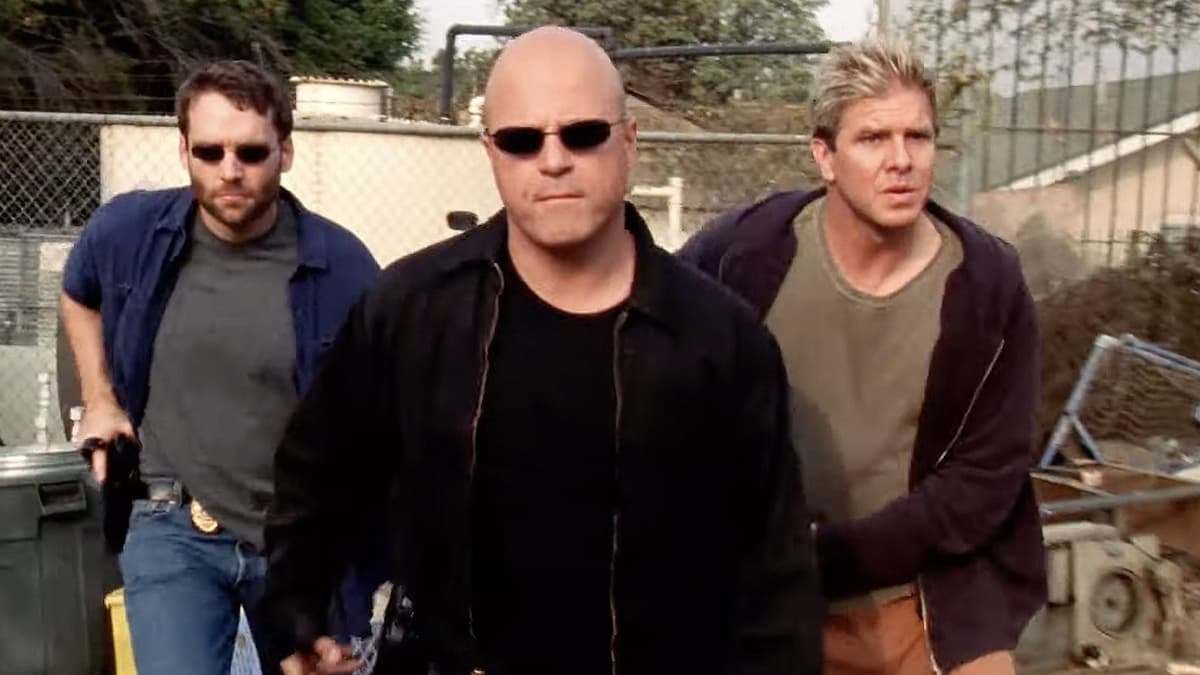
The Shield Used Story Ideas That Were Too Dark And Twisted For Nash Bridges
Why It Matters
The Shield demonstrated that television audiences crave complex, morally ambiguous storytelling, prompting networks to greenlight edgier crime dramas and raising the bar for narrative depth in prestige TV.
Key Takeaways
- •Shawn Ryan's dark scripts rejected by Nash Bridges
- •Ideas later formed core of The Shield
- •Real‑life cop immersion sparked gritty storytelling
- •Rampart scandal inspired series about corrupt officers
- •The Shield set new standard for moral ambiguity in TV
Pulse Analysis
Shawn Ryan’s early stint on Nash Bridges illustrates how creative friction can birth groundbreaking content. The CBS procedural, known for its humor and light‑hearted tone, turned down Ryan’s darker plot ideas, labeling them unsuitable for its audience. Rather than discarding them, Ryan archived the concepts, recognizing their potential for a more daring narrative. This early clash underscores a broader industry lesson: ideas that don’t fit one format may thrive in another, especially when paired with the right cultural moment.
The turning point arrived when Ryan embedded himself with Los Angeles police officers, witnessing the stark contrast between official narratives and street‑level realities. Coupled with the high‑profile Rampart scandal—where a rogue LAPD unit engaged in widespread misconduct—Ryan found fertile ground for a series that would interrogate the thin line between law enforcement and lawbreaking. The Shield leveraged this authenticity, portraying a special unit that bent rules to reduce crime while committing its own violations. By foregrounding ethical dilemmas, the show resonated with viewers seeking more than procedural formulas, earning critical accolades and redefining the crime‑drama genre.
Since its debut, The Shield’s legacy endures in the wave of morally complex series that followed, from "Breaking Bad" to "Ozark." Its success proved that audiences are willing to confront uncomfortable truths about power and corruption, prompting networks and streaming platforms to invest in darker, character‑driven narratives. For creators, the series serves as a case study in repurposing rejected material and grounding fiction in real‑world events. As the television landscape continues to evolve, the appetite for nuanced, gritty storytelling—first popularized by The Shield—remains a potent driver of content strategy.
The Shield Used Story Ideas That Were Too Dark And Twisted For Nash Bridges
Comments
Want to join the conversation?
Loading comments...