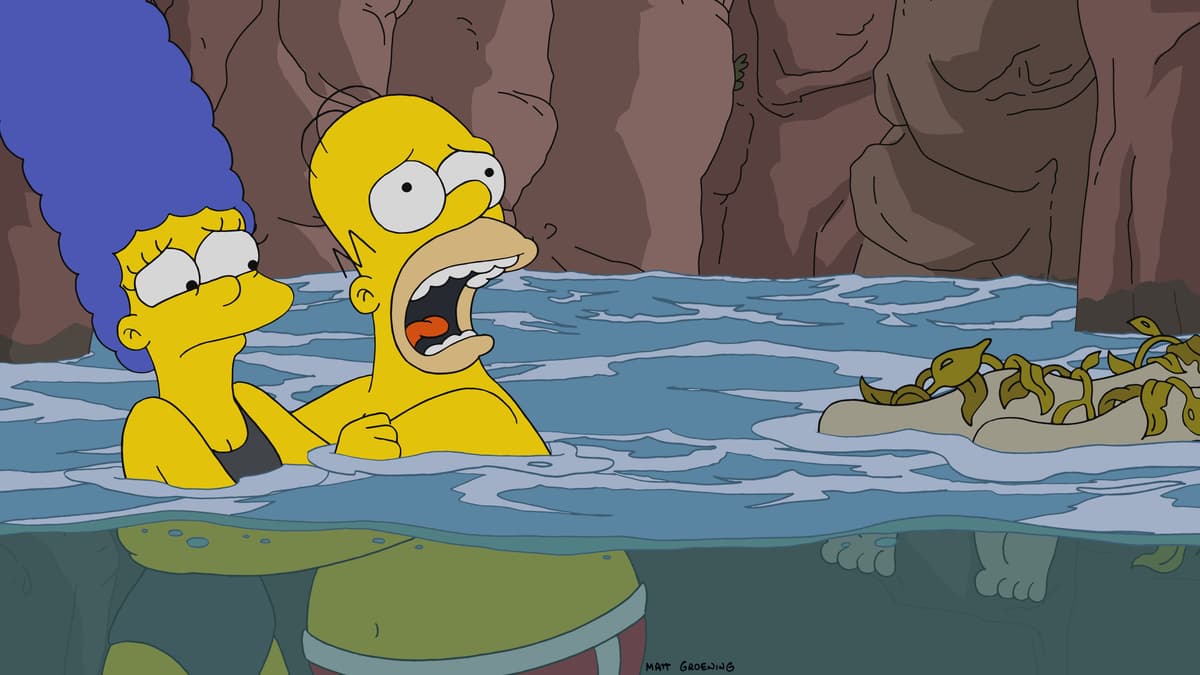
The Simpsons Is "Never Going to Do a Series Finale" To End the Show, Boss Says
•February 21, 2026
0
Why It Matters
Skipping a conventional finale highlights the unique challenges long‑running animated franchises face when winding down, while signaling to broadcasters and streaming platforms that the iconic series will conclude without a high‑profile event, affecting syndication and merchandising strategies.
Key Takeaways
- •800th episode milestone reached
- •No traditional series finale planned
- •Show will simply end with a regular episode
- •Format likened to Groundhog Day, episodes reset
- •Emphasis on standalone, original mini‑movies continues
Pulse Analysis
Reaching 800 episodes places The Simpsons among a tiny elite of television programs that have sustained relevance across multiple generations. Since its debut in 1989, the animated sitcom has become a cultural barometer, influencing language, politics, and advertising. Its longevity is not just a ratings triumph but a testament to Fox’s ability to monetize a weekly animated format through syndication deals, streaming rights on Disney+, and a robust merchandise ecosystem that generates billions annually.
Matt Selman’s recent comments reveal a strategic choice rooted in the show’s narrative DNA. By comparing the series to Groundhog Day, he emphasizes the perpetual reset that lets each episode function as a self‑contained story, free from long‑term continuity constraints. This creative freedom has allowed writers to experiment with parody, social commentary, and guest talent without the pressure of tying up character arcs. Consequently, a conventional finale—often a sentimental closure—would feel incongruous with a format built on episodic independence.
The industry implications are significant. Without a marquee finale, networks lose a potential ratings boost and advertisers miss a high‑visibility event, but the steady stream of regular episodes continues to feed syndication packages and streaming algorithms. Merchandise pipelines remain intact, as iconic characters stay in the public eye without a definitive goodbye. Moreover, the decision may set a precedent for other long‑running animated franchises, suggesting that ending a series can be as low‑key as its day‑to‑day production, preserving brand equity while easing transition to spin‑offs or reboot projects.
The Simpsons is "never going to do a series finale" to end the show, boss says
0
Comments
Want to join the conversation?
Loading comments...