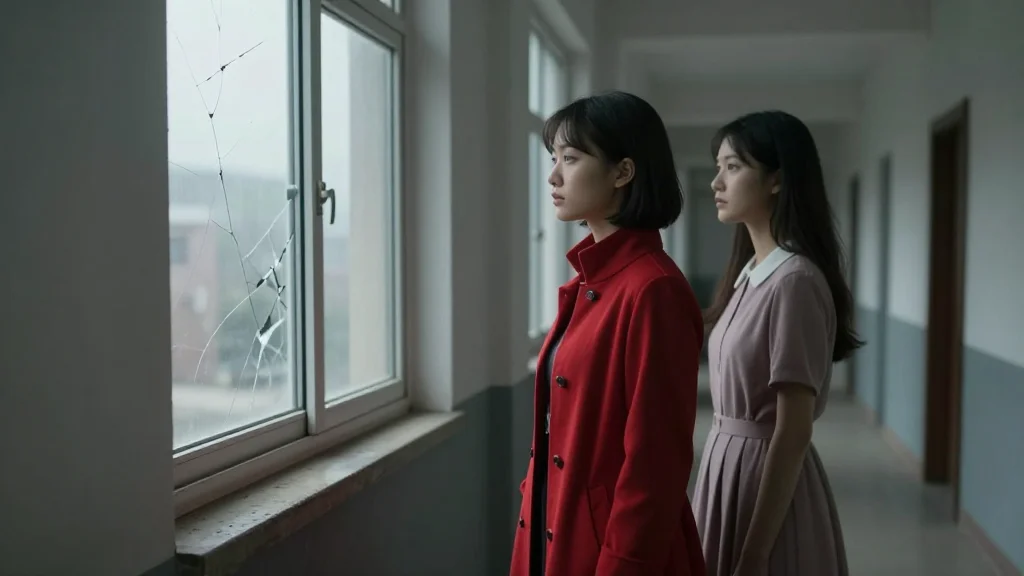
‘The Testaments’ Review: Hulu’s Next-Gen ‘Handmaid’s Tale’ Bears Witness… and Little Else
Companies Mentioned
Why It Matters
The series’ lukewarm reception signals challenges for Hulu in sustaining high‑concept dystopian franchises and may influence future streaming investments in literary adaptations. It also highlights audience demand for fresh perspectives on gender and race in speculative drama.
Key Takeaways
- •Rehashes original series' themes without fresh narrative
- •Focuses on privileged girls, neglecting broader social issues
- •Racial representation remains superficial despite diverse casting
- •Plot stretched over ten short episodes feels thin
- •Critics warn series may dilute franchise's impact
Pulse Analysis
Hulu’s decision to extend Margaret Atwood’s universe with *The Testaments* reflects a broader streaming trend: leveraging established literary properties to secure subscriber loyalty. While the original series reshaped television’s approach to dystopian storytelling, the sequel’s reliance on familiar motifs—oppression, rebellion, and religious fanaticism—offers diminishing returns. By centering the narrative on affluent girls within Gilead’s elite, the show narrows its sociopolitical lens, missing an opportunity to explore the intersecting axes of class, race, and gender that defined the first series’ cultural impact.
The critical response underscores a growing fatigue among viewers for repetitive dystopian narratives that fail to evolve. In an era where audiences gravitate toward nuanced world‑building, *The Testaments*’ thin plot, spread over ten episodes under 45 minutes each, feels more like a stretched pilot than a fully realized season. This pacing issue, coupled with superficial treatment of racial dynamics despite casting a Black lead, weakens the series’ relevance amid contemporary debates on representation and systemic inequality. Streaming platforms must balance brand continuity with innovative storytelling to retain critical acclaim.
Looking ahead, Hulu’s handling of *The Testaments* may shape its strategy for future adaptations. The mixed reception suggests that merely extending a successful franchise is insufficient; viewers expect fresh angles, deeper character development, and a willingness to confront current sociopolitical realities. As the streaming wars intensify, content creators who can translate classic dystopian themes into resonant, modern commentary will likely capture both critical and commercial success, ensuring that series like *The Handmaid’s Tale* remain more than a nostalgic relic.
‘The Testaments’ Review: Hulu’s Next-Gen ‘Handmaid’s Tale’ Bears Witness… and Little Else
Comments
Want to join the conversation?
Loading comments...