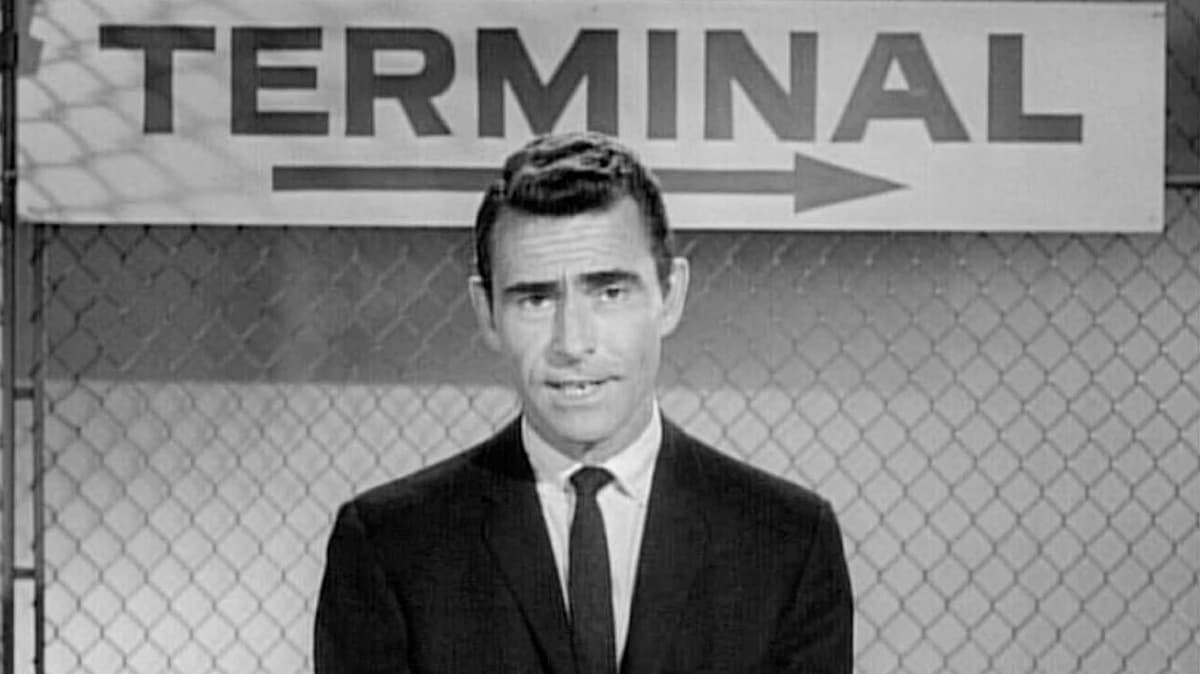
The Twilight Zone Writers Had One Censorship Rule That Only Creator Rod Serling Ignored
Why It Matters
The rule highlights how showrunners can navigate sponsor pressure and content standards, shaping a series’ tone without compromising its legacy. It also offers a case study in selective self‑censorship that still resonates in today’s streaming‑driven landscape.
Key Takeaways
- •Only Rod Serling could write the word “God” in Twilight Zone scripts
- •Other writers' uses of “God” were censored or altered
- •Rule likely stemmed from sponsor pressure and Serling’s brand control
- •The restriction didn’t harm the series’ critical or cultural success
Pulse Analysis
In the early days of broadcast television, content creators faced a layered web of oversight. Federal guidelines, network policies, and advertiser sensitivities all converged to dictate what could appear on screen. *The Twilight Zone* emerged during this era, balancing speculative storytelling with the era’s strict standards. While most shows relied on network censors, Serling’s production was uniquely tethered to corporate sponsors whose approval could make or break an episode, prompting a proactive approach to potential controversy.
Serling’s self‑imposed exemption—allowing only himself to use the word “God”—served multiple strategic purposes. By centralizing the term, he insulated his writing staff from sponsor complaints about religious profanity, reducing the risk of script rejections or costly rewrites. The rule also reinforced Serling’s control over the series’ philosophical tone, preventing a cheap shorthand for supernatural explanations. Whether motivated by genuine reverence, brand stewardship, or pragmatic sponsor management, the policy exemplified a nuanced form of self‑censorship that preserved creative intent while appeasing commercial partners.
The outcome was a series that never faltered in quality or cultural relevance, proving that selective language restrictions need not dilute storytelling. Modern creators on streaming platforms face similar dilemmas, juggling algorithmic standards, global audience expectations, and brand partnerships. Serling’s example underscores the value of clear internal guidelines that protect artistic vision without inviting external interference—a lesson that remains vital for today’s content‑driven enterprises.
The Twilight Zone Writers Had One Censorship Rule That Only Creator Rod Serling Ignored
Comments
Want to join the conversation?
Loading comments...