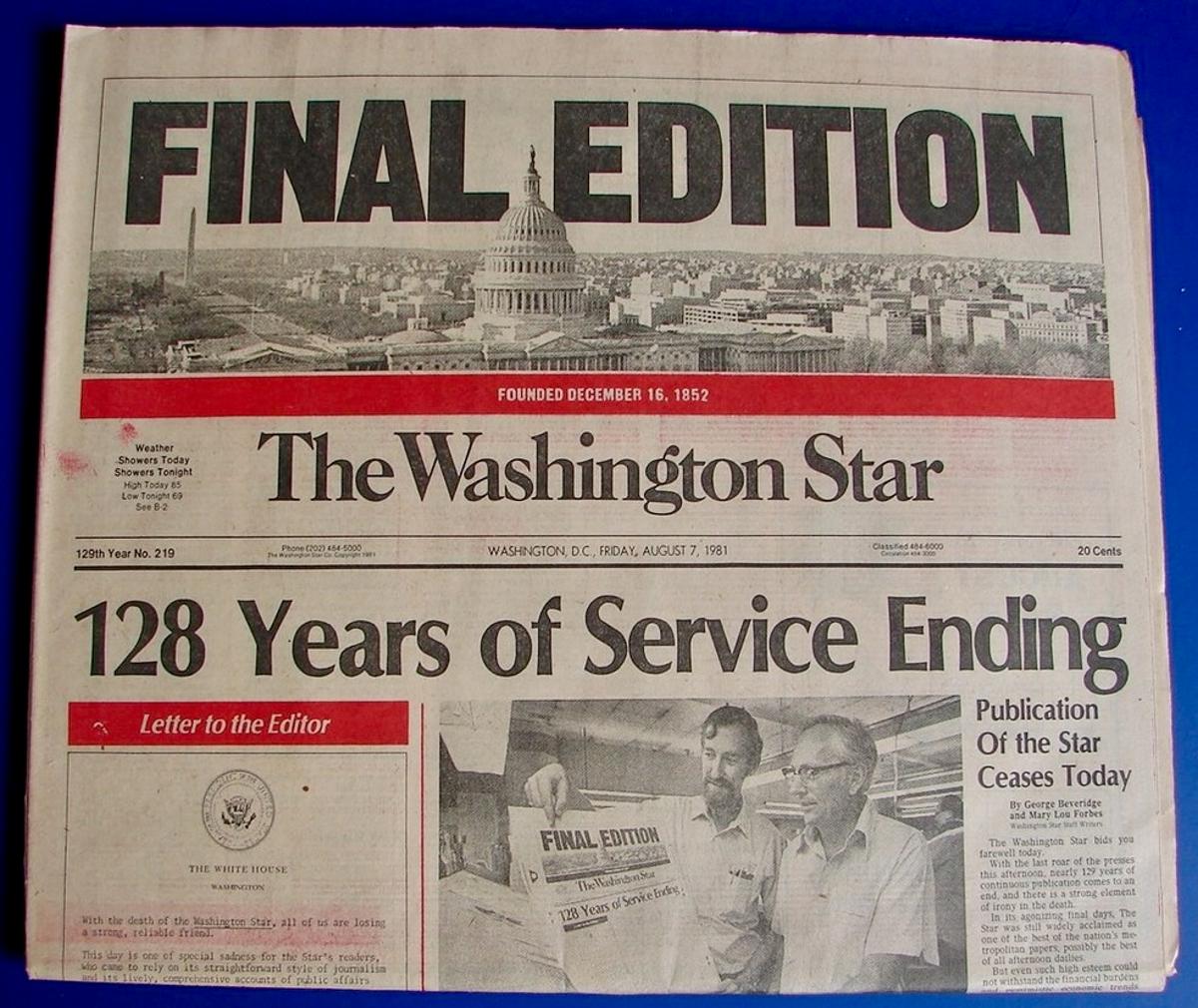
The Washington Star Is Back, and so Is Its Long-Running Rivalry with The Washington Post
Key Takeaways
- •NOTUS rebrands as The Star, targeting Washington Post's local news gaps
- •The Star will grow staff from 45 to 95 by year‑end
- •Baltimore Banner expands into DC suburbs, boosting regional sports coverage
- •Allbritton family revives historic rivalry, potentially reshaping DC media market
Pulse Analysis
The Washington media market is witnessing a rare revival of competition as NOTUS, a modest digital outlet, rebrands itself as The Star. By doubling its newsroom to 95 reporters, the venture seeks to fill the vacuum left by the Washington Post’s recent layoffs in local news and sports—a segment traditionally vital to the capital’s readership. This strategic expansion leverages the Allbritton family’s deep roots in the city’s journalistic history, positioning The Star as a digital‑first challenger that can quickly adapt to audience preferences without the overhead of a print operation.
Meanwhile, the Baltimore Banner’s foray into Washington’s Maryland suburbs underscores a broader trend of nonprofit newsrooms scaling up to cover niche beats. By bolstering its sports coverage, the Banner aims to attract a dedicated fan base that the Post has largely neglected. This complementary pressure on the Post could force the legacy paper to reconsider its content mix, potentially reinvesting in local reporting or accelerating its digital transformation. The convergence of these two initiatives highlights how agile, mission‑driven entities are reshaping the competitive dynamics of a market once dominated by a single, billionaire‑owned newspaper.
Historically, the Allbritton‑Graham rivalry shaped Washington’s press scene, from strike battles in the 1970s to the launch of Politico in 2007. The revival of The Star not only revives that legacy but also raises questions about the sustainability of digital‑only news models in a city where advertising dollars are increasingly fragmented. As Jeff Bezos’s ownership of the Post continues to prioritize national and investigative journalism, The Star’s focus on hyper‑local content could carve out a profitable niche, offering advertisers and readers a more targeted platform. The outcome will likely influence how legacy papers allocate resources and how new entrants position themselves in the evolving media ecosystem.
The Washington Star is back, and so is its long-running rivalry with The Washington Post
Comments
Want to join the conversation?