Companies Mentioned
Why It Matters
Roc’s live‑season experiment demonstrated that real‑time broadcasting can boost audience engagement and differentiate a show in a crowded market. It also offers a template for modern creators seeking fresh, event‑style content in an on‑demand era.
Key Takeaways
- •Roc aired entire Season 2 live in 1992, boosting premiere ratings 33%.
- •Live format turned sitcom into weekly theater, demanding precision from cast.
- •Director Stan Lathan praised organic energy despite heightened production stress.
- •Charles S. Dutton embraced live shows as natural extension of stage work.
- •Live sitcom experiments remain rare, with only a few shows following suit.
Pulse Analysis
When television first emerged, live broadcasts were a necessity, not a novelty. By the 1990s, sitcoms had largely migrated to pre‑taped episodes filmed before studio audiences, allowing editors to polish performances. Roc’s decision to revert to a fully live second season bucked this trend, turning each episode into a theatrical event. This bold approach tapped into the immediacy of stagecraft, delivering an unfiltered viewer experience that resonated with audiences craving spontaneity.
The live format had tangible business benefits. The Season 2 premiere attracted roughly 33% more viewers than the series’ initial kickoff, translating into higher ad revenues and heightened buzz. For the cast and crew, the weekly live performance demanded rigorous rehearsal schedules and split‑second decision‑making, mirroring the pressures of a Broadway production. Actors like Charles S. Dutton and Ella Joyce leveraged their theater backgrounds, finding the format more authentic than the conventional taped process. Director Stan Lathan noted that while the stress levels rose, the organic energy on set created a compelling product that stood out in a sea of polished sitcoms.
Roc’s experiment remains an outlier, yet it foreshadowed later live television moments such as episodes of Undateable and 30 Rock. In today’s streaming‑dominated landscape, live events can generate appointment viewing and social media chatter, offering networks a way to combat audience fragmentation. As advertisers seek real‑time engagement metrics, the live sitcom model provides a potential roadmap for future programming that blends theatrical immediacy with modern distribution platforms.
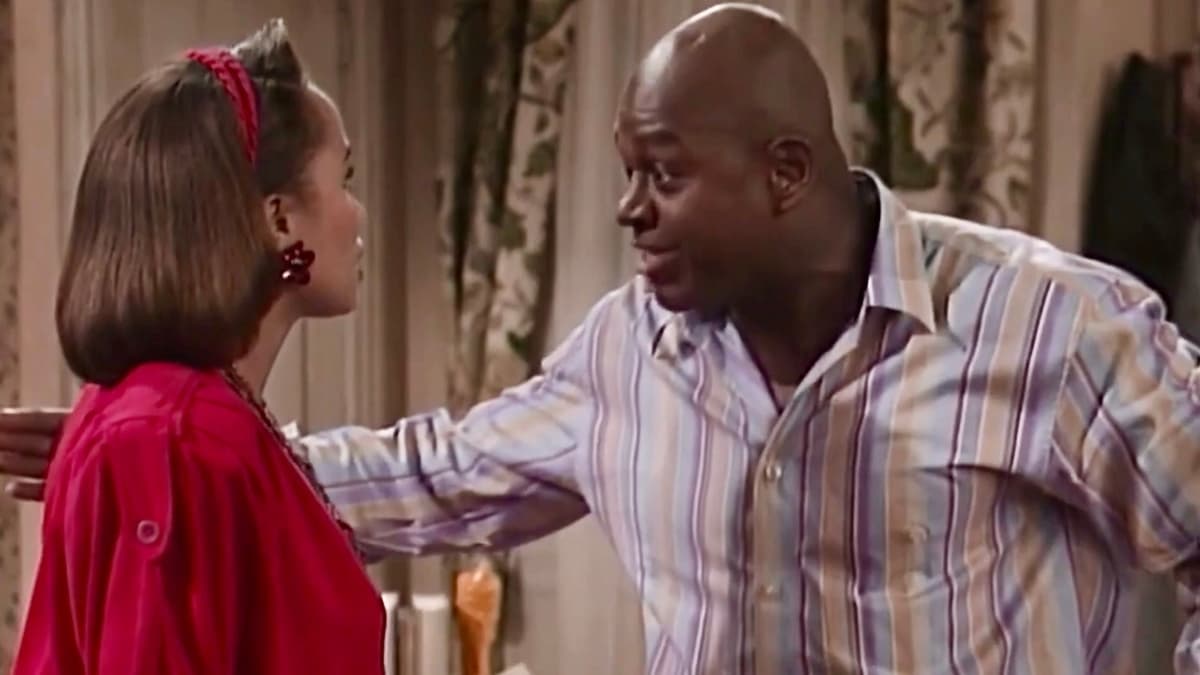
This Hit '90s Sitcom Aired Its Entire Second Season Live
Comments
Want to join the conversation?
Loading comments...