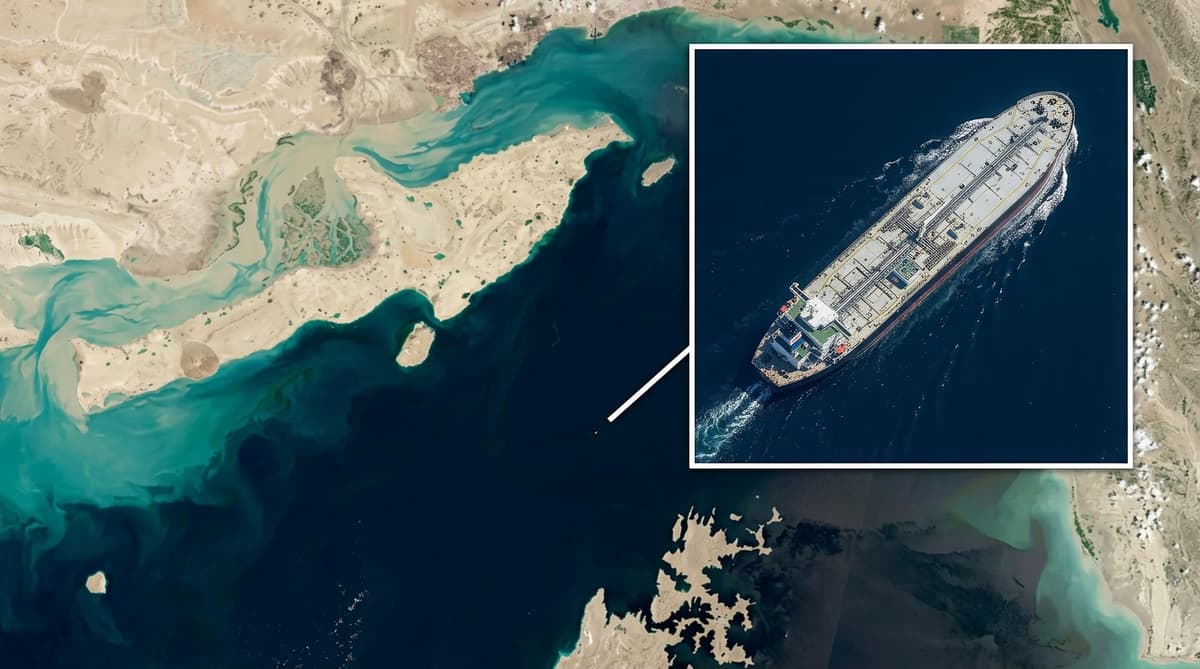
This Journalist Turned the Strait of Hormuz Crisis Into a Newsgame because Articles Don't Cut It
Why It Matters
BOTTLENECK demonstrates how immersive, data‑driven experiences can deepen audience understanding of geopolitical events, offering newsrooms a scalable tool beyond text‑only reporting.
Key Takeaways
- •BOTTLENECK launched April 2026, free browser simulation.
- •Players manage three transit slots for 2,000 ships over ten days.
- •Game visualizes impact of Strait of Hormuz mining after Operation Epic Fury.
- •Highlights need for immersive formats beyond traditional articles in journalism.
Pulse Analysis
The Strait of Hormuz, a chokepoint for roughly 20% of global oil shipments, became a flashpoint in early 2026 when the Iranian Revolutionary Guard mined the waterway after the US‑Israeli Operation Epic Fury. Traditional coverage from Reuters, Bloomberg and others detailed the drop from 130 daily transits to near‑zero, but the sheer scale of the backlog—2,000 vessels waiting for three slots—proved difficult to grasp through numbers alone. This gap between data and human experience is where newsgames like BOTTLENECK step in, translating abstract statistics into a playable scenario that mirrors real‑world constraints.
BOTTLENECK’s design centers on a simple yet tense decision‑making loop: allocate limited transit windows, prioritize cargo types, and manage crew fatigue while the virtual clock ticks down. The interface visualizes a growing queue of ships, each with distinct urgency levels, forcing players to feel the pressure of a maritime coordinator under crisis conditions. By embedding factual timelines—such as the February 28 mining event—and authentic vessel data, the game maintains journalistic rigor while delivering an emotional punch that static articles lack.
For the broader media industry, BOTTLENECK signals a shift toward experiential journalism that can scale across devices and audiences. Newsrooms can leverage such interactive tools to explain complex supply‑chain disruptions, climate impacts, or financial market shocks, turning passive readers into active participants. While development costs and the need for accurate data present challenges, the potential for higher engagement, deeper comprehension, and new revenue models makes immersive news formats a compelling frontier for the digital age.
This journalist turned the Strait of Hormuz crisis into a newsgame because articles don't cut it
Comments
Want to join the conversation?
Loading comments...