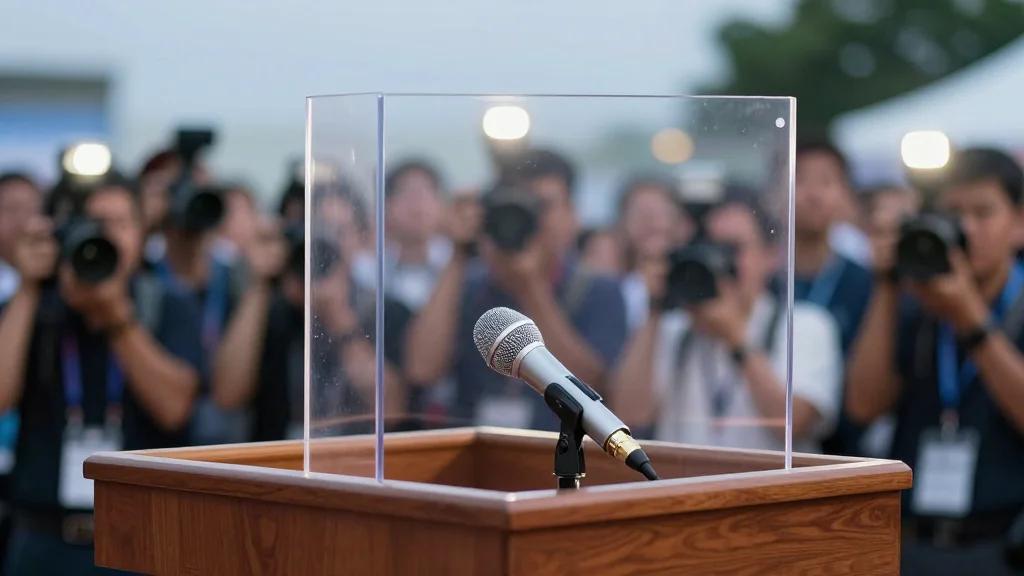
Trump at White House Correspondents' Dinner Turns Chaotic After Shooting, 2,500 Guests in Panic

Why It Matters
The attack at the White House Correspondents' Dinner underscores the vulnerability of media gatherings to violent threats, challenging the perception of the event as a safe space for press‑politician interaction. A breach of security at such a high‑visibility occasion could deter journalists from attending future events, eroding a historic platform for dialogue and satire. Moreover, the incident may prompt legislative and industry‑wide reviews of security standards, influencing how media events are organized across the United States. Beyond immediate safety concerns, the shooting raises questions about the politicization of media spaces. Trump's presence and his subsequent comments on the suspect have amplified partisan narratives around gun control and security, potentially shaping public opinion and policy. The fallout could affect advertising revenue, viewership, and the broader cultural relevance of the dinner, which has long served as a barometer of the press's relationship with power.
Key Takeaways
- •Donald Trump attended the White House Correspondents' Dinner on April 25, 2026.
- •Gunfire erupted outside the Washington Hilton, injuring a police officer.
- •Approximately 2,500 guests were forced to take cover inside the ballroom.
- •Suspect identified as Cole Thomas Allen, a former Teacher of the Month from Torrance, CA.
- •Trump said the shooter "seems to think he's a lone wolf" in a post‑event briefing.
Pulse Analysis
The shooting at the White House Correspondents' Dinner marks a turning point for media‑centric events that have historically relied on a blend of levity and political critique. Security at such gatherings has traditionally been robust but low‑key, reflecting an assumption that the symbolic nature of the dinner deters violent actors. Allen's ability to breach the checkpoint suggests a lapse in threat assessment, likely driven by an underestimation of lone‑wolf scenarios in an era of heightened political polarization.
Historically, the dinner has served as a barometer for press freedom, with presidents using the stage to signal openness or antagonism toward the media. Trump's attendance, coupled with his immediate framing of the shooter as a "lone wolf," may reinforce a narrative that downplays systemic security failures while shifting blame onto individual pathology. This rhetoric could influence legislative responses, potentially steering the debate toward stricter gun laws rather than comprehensive venue security reforms.
Looking forward, media organizations will need to balance the tradition of the dinner against the imperative of protecting their staff. Enhanced vetting, increased law‑enforcement presence, and possibly a reimagined format—perhaps a virtual or hybrid event—could become standard. The incident also offers a cautionary tale for other high‑profile gatherings, from award shows to political conventions, where the convergence of media, politics, and celebrity creates a lucrative target for extremist actors. The industry’s response will shape not only the future of the dinner but also broader norms around press safety in the United States.
Trump at White House Correspondents' Dinner Turns Chaotic After Shooting, 2,500 Guests in Panic
Comments
Want to join the conversation?
Loading comments...