Key Takeaways
- •Korean student Rin pursues animation master’s while living in Tokyo.
- •Japanese chef Taiga blends Korean flavors into his diner menu.
- •Series highlights language barriers and subtle cultural tensions.
- •Realistic urban setting contrasts with typical glossy K‑drama aesthetics.
- •10‑episode run criticized for rushed plot and miscommunication.
Pulse Analysis
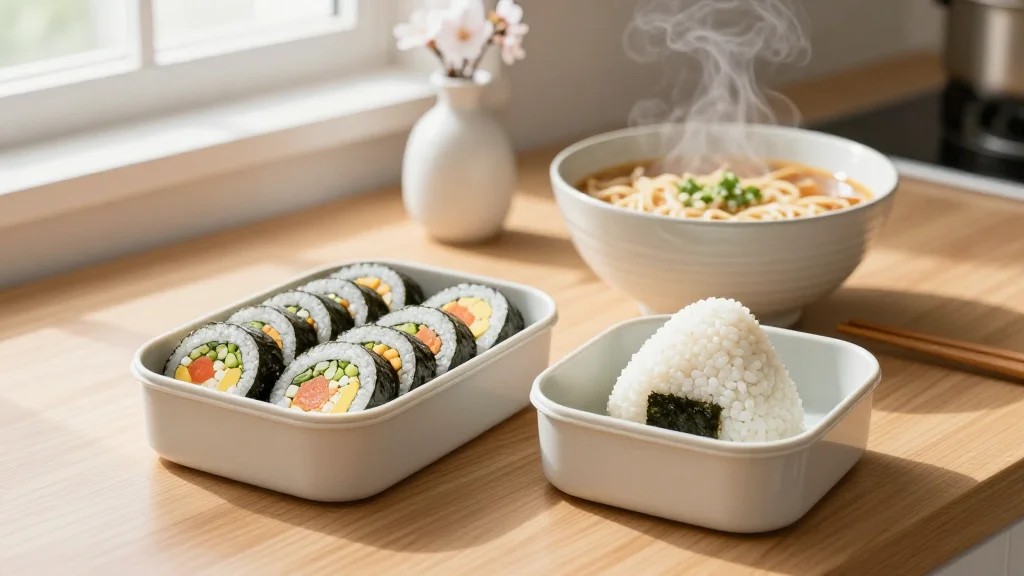
Food has long been a storytelling shortcut, but *Gimbap and Onigiri* uses cuisine as a cultural bridge between Korea and Japan. By showing Taiga’s Korean‑inspired twists on classic Japanese dishes, the series invites viewers to taste the negotiation of identity that many expatriates experience. This culinary dialogue reflects a broader trend in Asian television where chefs and diners become proxies for diplomatic conversation, appealing to global audiences hungry for authentic, relatable content.
Beyond the plates, the drama tackles the practical realities of living abroad: language mishaps, housing insecurity, and the grind of part‑time service work. Unlike many romance series that gloss over daily hardships, the show grounds its characters in a gritty Tokyo neighbourhood, complete with wandering tourists and local regulars. This realism resonates with a demographic of young professionals who seek narratives that mirror their own balancing act between career ambitions and personal relationships.
However, the series’ ambition is hampered by its limited ten‑episode format. Plot points pile up quickly, and the protagonists’ communication failures feel more contrived than organic, leading to viewer fatigue. Still, the emphasis on career development over romance hints at a shifting market where career‑driven storylines can coexist with love plots. For streaming services scouting fresh IP, *Gimbap and Onigiri* offers a template: blend cultural specificity with universal themes, but allocate enough episodes to let the story breathe.
TV review: Gimbap and Onigiri
Comments
Want to join the conversation?