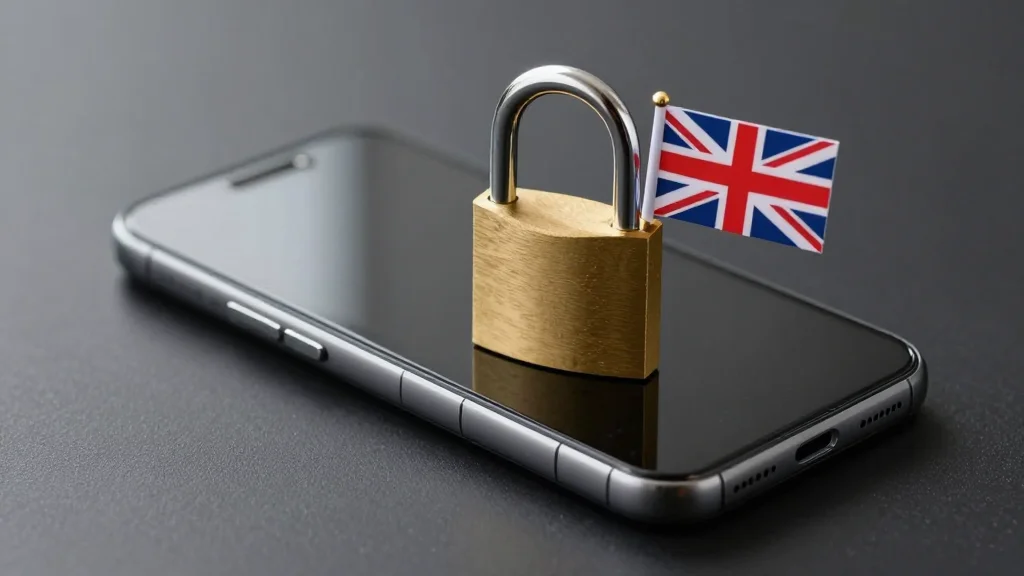
UK Set to Ban Under-16s From Social Media, Livestreaming, Disappearing Messages
Why It Matters
The move signals the UK’s toughest child‑online‑safety regime yet, forcing platforms to redesign services and potentially reshaping the digital market. It also offers Prime Minister Keir Starmer a high‑visibility policy win as political pressure mounts.
Key Takeaways
- •UK to prohibit under‑16s from major social platforms
- •Potential curfew for 16‑17 year olds still under review
- •89% of surveyed parents support a legal minimum age of 16
- •Government aims to finalize rules by summer, ahead of election
- •Tech firms face rapid lobbying as restrictions loom
Pulse Analysis
The United Kingdom is poised to become the first major economy to impose a blanket ban on under‑16s accessing mainstream social‑media services. The proposal, emerging from the Department for Science, Innovation and Technology’s recent "national conversation" on online safety, reflects growing public concern that current age‑verification tools are ineffective. By targeting not only standard feeds but also livestreaming, disappearing messages and stranger‑contact features, policymakers aim to close loopholes that have facilitated grooming and cyber‑bullying. The timing—just weeks before a crucial by‑election—underscores the political calculus behind the initiative, offering Prime Minister Keir Starmer a tangible policy achievement amid a turbulent tenure.
For technology firms, the looming restrictions present both compliance challenges and strategic opportunities. Companies will need to embed robust age‑gating mechanisms, potentially redesigning user interfaces and investing in AI‑driven monitoring to meet enforcement standards that the government claims can be enacted within months. The lack of a definitive platform list adds uncertainty, prompting a wave of lobbying as firms seek carve‑outs or phased rollouts. Compared with the European Union’s Digital Services Act, the UK’s approach is more prescriptive, focusing on age thresholds rather than broader content‑moderation obligations, which could set a precedent for other jurisdictions grappling with child‑online safety.
From a consumer perspective, the ban could reshape how British families interact with digital media. Parents, who overwhelmingly backed a minimum‑age rule in the consultation, may welcome clearer boundaries, yet teenagers could migrate to less regulated or offshore services, complicating enforcement. The policy also raises questions about digital inclusion, as younger users lose early exposure to online literacy tools. Looking ahead, the UK’s aggressive stance may trigger a cascade of similar measures worldwide, prompting a re‑evaluation of how platforms balance growth ambitions with societal responsibility for protecting minors online.
UK set to ban under-16s from social media, livestreaming, disappearing messages
Comments
Want to join the conversation?
Loading comments...