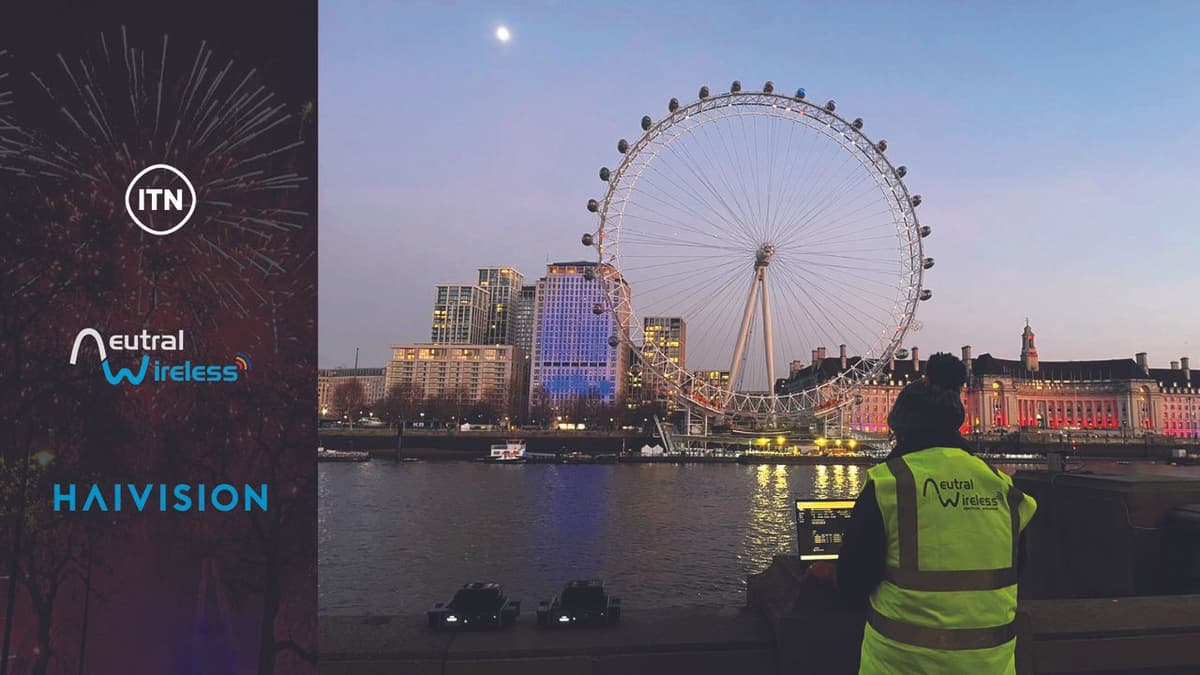
UK’s First Live Broadcast Using New N40 Private 5G Spectrum
•March 10, 2026
0
Why It Matters
The rollout proves private 5G can replace congested public networks for high‑profile live events, giving broadcasters rapid, reliable connectivity and opening new revenue models. It signals regulatory support accelerating private spectrum adoption across media production.
Key Takeaways
- •First UK live broadcast using n40 private 5G spectrum
- •Deployment covered riverbank with single pop‑up 5G cell
- •Ofcom short‑notice licenses enable days‑long network setup
- •Reduced cabling, faster setup, sustainable production workflow
- •Private 5G delivers low‑latency, reliable video in crowded events
Pulse Analysis
The emergence of short‑notice, short‑duration licences in the 2.3 GHz n40 band marks a pivotal shift for broadcasters seeking flexible spectrum access. By allowing licences to be granted within days, Ofcom removes a historic barrier that forced media companies to plan months ahead for spectrum acquisition. This regulatory agility aligns perfectly with the fast‑paced nature of live event production, where timing is critical and traditional mobile networks often buckle under sudden demand spikes. The London New Year’s Eve fireworks broadcast serves as a real‑world validation of this new framework, showcasing how quickly a private 5G network can be erected and integrated into existing IP video workflows.
From a technical standpoint, the Neutral Wireless Pop‑up 5G Pro system delivered a compact, single‑cell solution that provided reliable coverage along a densely populated riverbank. Coupled with Haivision’s Falkon X2 and Pro mobile transmitters, the setup transmitted two full‑HD feeds with sub‑50 ms latency, meeting the exacting standards of live broadcast. This architecture eliminates the need for extensive cabling and large outside‑broadcast trucks, reducing both logistical complexity and carbon footprint. The result is a more sustainable production model that can be replicated for sports, news, and entertainment events where rapid deployment and mobility are paramount.
Industry analysts view this deployment as a watershed moment for private 5G’s transition from trial phases to operational use. The collaboration demonstrates that private cellular networks can complement, rather than replace, legacy broadcast infrastructure, offering broadcasters a hybrid approach that balances reliability with flexibility. As more venues adopt short‑duration spectrum licences, we can expect a surge in innovative use‑cases—such as on‑demand pop‑up studios, aerial drone feeds, and multi‑venue simultaneous productions—driving new revenue streams and reshaping the economics of live media delivery.
UK’s First Live Broadcast Using New n40 Private 5G Spectrum
0
Comments
Want to join the conversation?
Loading comments...