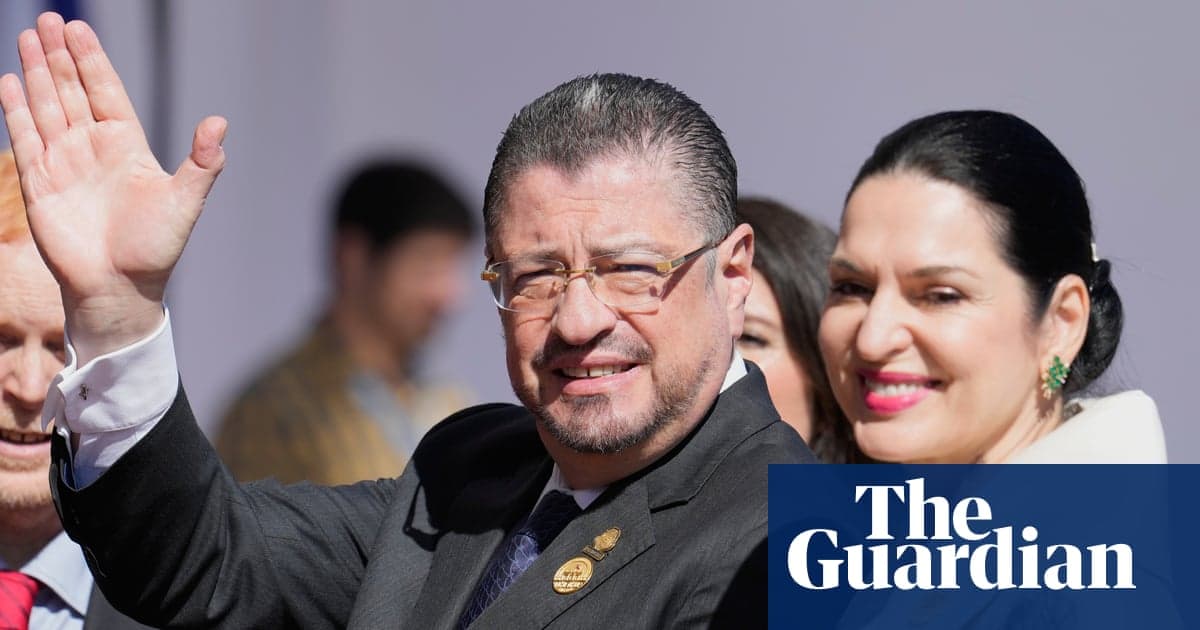
US Cancels Visas for Board of Costa Rica Newspaper Critical of Trump Ally
Why It Matters
Revoking visas of senior media executives threatens press freedom and demonstrates how U.S. diplomatic tools can be used to pressure opposition figures in allied nations, reshaping the political landscape of Central America.
Key Takeaways
- •US revoked visas for five of seven La Nación board members.
- •Revocations follow Chaves’s alliance with Trump and anti‑press rhetoric.
- •Visa bans target critics, echoing previous restrictions on Costa Rican elites.
- •Chaves will be replaced by hand‑picked successor Laura Fernández.
- •Analysts warn chilling effect on Costa Rican media and opposition.
Pulse Analysis
The United States has increasingly employed visa restrictions as a lever of foreign policy, a practice that dates back to Cold‑War era sanctions but has intensified under recent administrations. By denying entry to foreign nationals deemed politically inconvenient, Washington can exert pressure without formal diplomatic protests. In the case of Costa Rica, the abrupt cancellation of tourist visas for La Nación’s board members marks a rare, direct intervention in a democratic nation’s media environment, raising alarms among press‑freedom watchdogs about the erosion of soft‑power norms.
La Nación earned its reputation by publishing investigative pieces on President Rodrigo Chaves, including allegations of sexual harassment and illicit campaign financing. Chaves, a vocal supporter of former President Donald Trump, has retaliated with both verbal attacks and regulatory actions, such as withdrawing a sanitation permit for the newspaper’s event space. The timing of the visa revocations—coinciding with Chaves’s agreement to accept up to 25 deported migrants weekly and his participation in the Trump‑led Shield of the Americas summit—suggests a coordinated effort to marginalize dissent ahead of his departure and the installation of hand‑picked successor Laura Fernández.
The broader implications extend beyond Costa Rica’s borders. Regional journalists and opposition leaders may view the U.S. action as a warning that criticism of allied governments could invite punitive measures, potentially chilling investigative reporting across Latin America. Moreover, the precedent could invite reciprocal measures from other powers seeking to protect their own interests. Stakeholders—embassies, NGOs, and multinational firms—should monitor visa policies closely, as they may become a barometer for shifting diplomatic priorities and a tool for influencing domestic politics in the Western Hemisphere.
US cancels visas for board of Costa Rica newspaper critical of Trump ally
Comments
Want to join the conversation?
Loading comments...