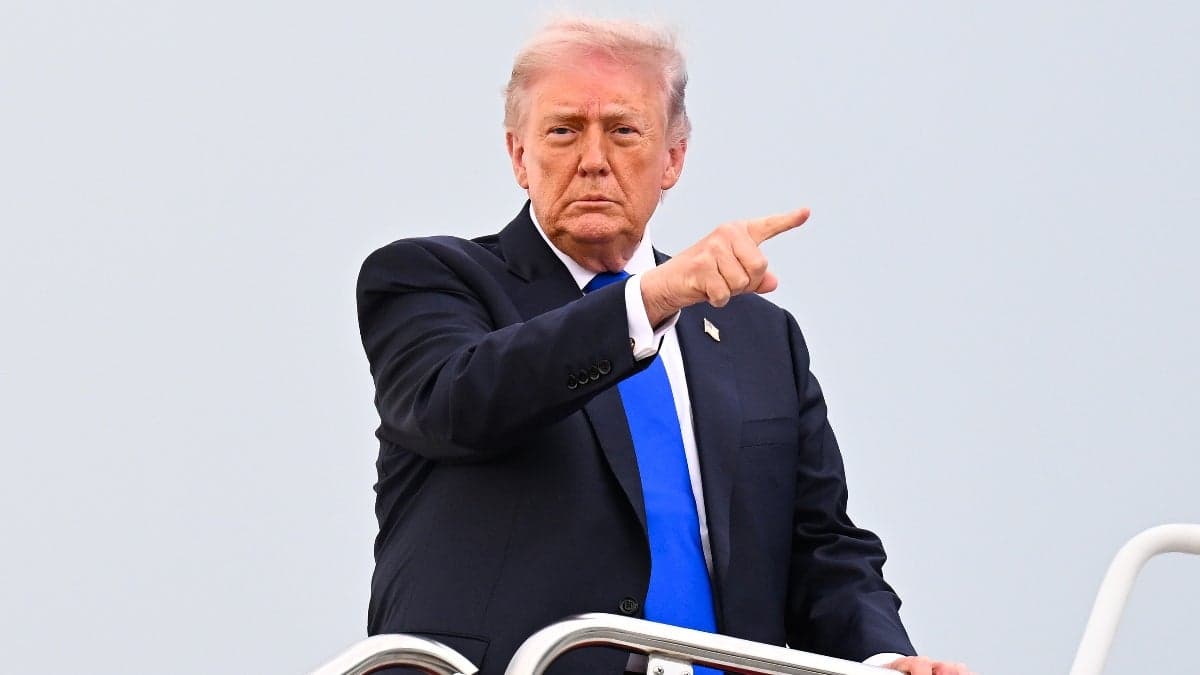
US Drops 7 Spots in Reporters Without Borders’ Press Freedom Report
Why It Matters
The slide signals a deepening erosion of press freedom in the world’s largest democracy, raising concerns for investors, policymakers, and global partners about the reliability of information and the health of democratic institutions.
Key Takeaways
- •U.S. falls to 64th place, down seven spots in RSF index
- •Trump’s attacks include DOJ searches, FCC investigations, and defamation suits
- •Funding cuts target NPR, PBS, adding economic strain on journalists
- •White House declined comment, highlighting growing tension with the press
- •More than half of 180 surveyed nations now classified as ‘difficult’
Pulse Analysis
Reporters Without Borders’ latest World Press Freedom Index places the United States at 64th, a stark drop that reflects mounting governmental interference. The index, which evaluates legal frameworks, political pressures, and economic conditions across 180 jurisdictions, now categorises more than half of those nations as facing "difficult" or "very serious" challenges. For the U.S., the decline underscores a shift from a historically robust media environment to one where executive actions increasingly constrain journalistic independence.
President Donald Trump’s second term has been marked by a coordinated strategy to curb dissenting voices. High‑profile actions—including the Justice Department’s search of Washington Post reporter Hannah Natanson’s residence, targeted arrests of journalists covering protests, and a wave of defamation lawsuits against the New York Times, Wall Street Journal, and the BBC—demonstrate an expanding toolkit of legal and regulatory pressure. Simultaneously, the Federal Communications Commission, under a Trump ally, has launched license reviews of stations owned by perceived media adversaries, while budget cuts threaten the financial viability of public broadcasters like NPR and PBS. These moves collectively erode the economic and operational foundations that enable investigative reporting.
The ramifications extend beyond domestic discourse. International investors and allies monitor press freedom as a proxy for governance risk; a lower ranking can diminish confidence in market transparency and regulatory fairness. Domestically, diminished media scrutiny may embolden unchecked executive actions, weakening accountability mechanisms. Stakeholders—from media companies to civil‑society groups—are likely to intensify advocacy for legislative safeguards and judicial oversight to restore the United States’ standing as a beacon of free expression. The coming months will test whether institutional checks can counterbalance the current trajectory.
US Drops 7 Spots in Reporters Without Borders’ Press Freedom Report
Comments
Want to join the conversation?
Loading comments...