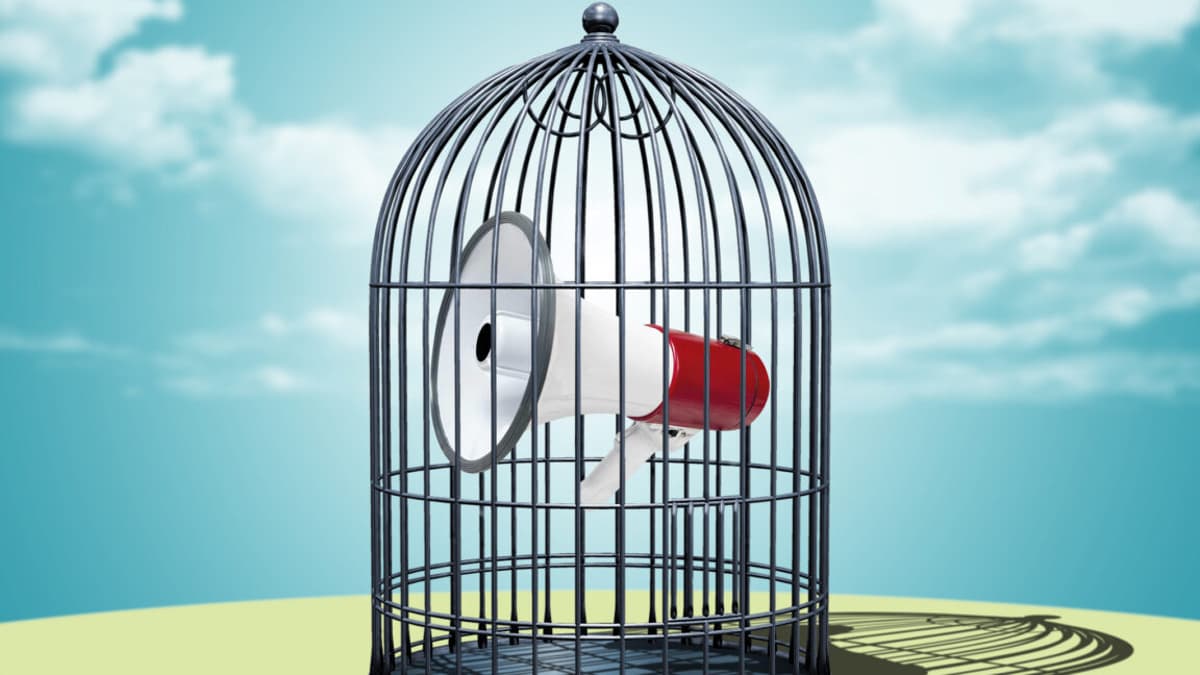
US Falls Below Ukraine in Press Freedom as Global Autocracy Takes Hold
Why It Matters
The decline signals mounting threats to democratic discourse in established markets and underscores the accelerating grip of authoritarian regimes on information flows.
Key Takeaways
- •Norway retains #1 spot in RSF 2026 Press Freedom Index.
- •US drops to 64th, behind Ukraine and war‑torn nations.
- •More than half of countries now ‘difficult’ or ‘very serious’ for press.
- •China ranks 178th, holding over 100 detained journalists.
- •Asia‑Pacific emerges as most repressive region, with few exceptions.
Pulse Analysis
The 2026 World Press Freedom Index paints a stark picture: while the Nordic bloc continues to champion open media, the global landscape is sliding toward tighter controls. Norway’s top ranking reflects its robust legal safeguards, public broadcaster independence, and a culture that values investigative journalism. By contrast, the index’s average score has never been lower in its 25‑year history, indicating that even traditionally free societies are feeling the pressure of political polarization and economic strain.
In the United States, the drop to 64th place marks the steepest one‑year decline since the index’s inception. Analysts link the slide to a combination of funding cuts to public media, heightened political interference in ownership structures, and the Trump administration’s aggressive use of state institutions against dissenting outlets. The erosion of trust in news organizations compounds these challenges, threatening the country’s ability to hold power accountable and to sustain an informed electorate—a cornerstone of liberal democracy.
Across the Asia‑Pacific, repression is entrenched, with China’s near‑bottom ranking epitomizing state‑driven censorship. Over 100 journalists are detained on vague “pocket crimes,” and surveillance tools like the Study Xi app embed data collection into daily reporting. The region’s overall decline amplifies concerns about a fragmented global information ecosystem, where authoritarian narratives dominate and cross‑border reporting becomes riskier. For investors, policymakers, and media professionals, these trends highlight the urgency of supporting independent outlets, safeguarding journalistic resources, and reinforcing international press‑freedom coalitions.
US falls below Ukraine in press freedom as global autocracy takes hold
Comments
Want to join the conversation?
Loading comments...