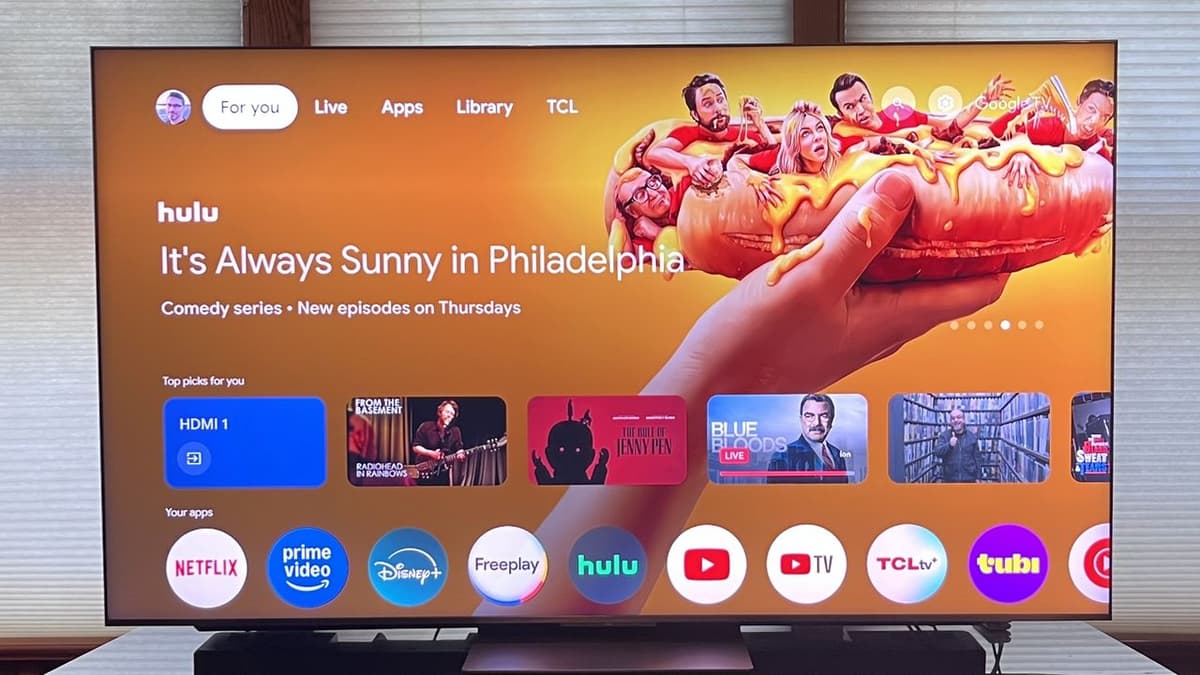
We All Hate Ads on Today's Smart TVs, but a Report Says They're a Big Part of Why TV Prices Haven't Had to Rise as a Result of the Memory Crisis — so if You're Upgrading Your Set for the World Cup, Say Thanks to Advertisers, I Guess

Why It Matters
Ad‑supported smart TVs preserve price stability for consumers while creating a lucrative, data‑rich channel for advertisers, reshaping the TV market’s economics.
Key Takeaways
- •Smart‑TV ads subsidize hardware costs amid memory‑chip shortage
- •Retail TV prices remain stable despite component price spikes
- •Advertisers gain direct, measurable access to living‑room audiences
- •Manufacturers rely on ad revenue to offset higher DRAM costs
- •Consumer backlash may grow as ad frequency increases
Pulse Analysis
The semiconductor memory crunch, sparked by pandemic‑driven demand and supply chain bottlenecks, has driven DRAM and NAND prices to multi‑year highs. Historically, such cost pressures would translate into higher retail prices for consumer electronics, including televisions. However, TV manufacturers have turned to a different lever: the on‑screen advertising ecosystem that now populates smart‑TV home menus, recommendation panels, and streaming launch screens. By monetizing these touchpoints, they capture a slice of the advertising spend that would otherwise go to traditional broadcast or digital platforms.
In practice, advertisers pay per‑impression or per‑click rates to appear on the UI of popular TV brands, leveraging the fact that a household’s primary viewing device is often a smart TV. This ad‑supported model provides a steady revenue stream that can be earmarked to cover the inflated cost of memory modules, which are essential for 4K, HDR, and AI‑driven upscaling features. Companies such as Samsung, LG, and Vizio have reported that ad revenue now accounts for a noticeable percentage of their total TV earnings, allowing them to keep sticker‑price hikes at bay even as component costs climb.
For consumers, the trade‑off is clear: lower purchase prices in exchange for a more ad‑laden viewing experience. While many welcome the price stability—especially when upgrading for marquee events like the World Cup—there is a growing conversation about ad fatigue and privacy concerns. Industry analysts predict that as ad‑tech matures, we may see more granular targeting and even subscription‑free, ad‑only TV tiers, further blurring the line between content and commerce in the living room.
We all hate ads on today's smart TVs, but a report says they're a big part of why TV prices haven't had to rise as a result of the memory crisis — so if you're upgrading your set for the World Cup, say thanks to advertisers, I guess
Comments
Want to join the conversation?
Loading comments...