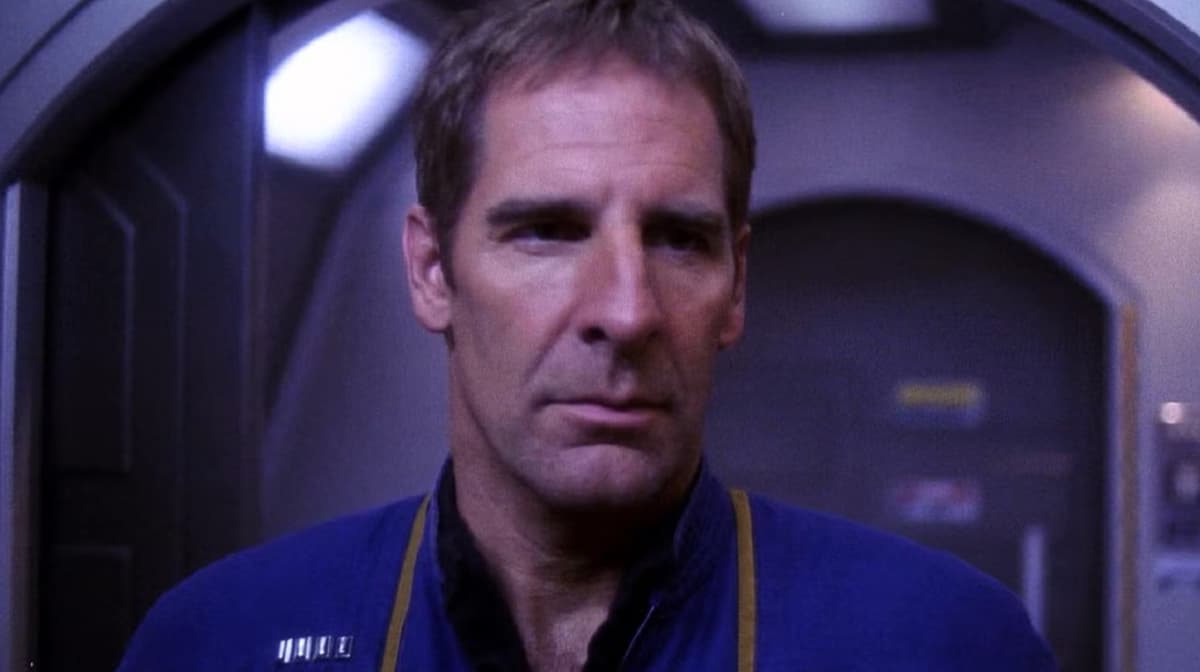
What Happened To Scott Bakula's Captain Archer After Star Trek: Enterprise
•March 7, 2026
0
Why It Matters
Archer’s evolution from captain to federation president solidifies a key historical anchor for the franchise, enriching continuity for new and legacy fans. It demonstrates how legacy characters can drive streaming platform growth.
Key Takeaways
- •Archer leads humanity’s first warp‑5 deep‑space missions
- •Series finale shows Archer becoming Federation president
- •Mirror universe episodes hint at Archer’s future legacy
- •Enterprise prequel set before Federation formation
- •Bakula’s role fuels modern Star Trek resurgence
Pulse Analysis
When Paramount launched Star Trek: Enterprise in 2001, it took a bold step by setting the narrative centuries before the original series. By positioning Captain Jonathan Archer at the helm of the NX‑01, the show offered viewers a glimpse of humanity’s earliest forays into warp‑5 travel, a period largely unexplored in earlier canon. This prequel approach required audiences to invest in unfamiliar political dynamics, such as the skeptical Vulcans and a fragmented Earth, creating a fresh entry point for a franchise that was seeking to broaden its demographic reach.
Archer’s character arc transcended the typical captain’s journey, culminating in a transition from starship commander to high‑ranking Starfleet official and, ultimately, President of the United Federation of Planets. The series finale and the “In a Mirror, Darkly” episodes subtly seeded this future, portraying him as the “greatest explorer of the 22nd century” and later as a diplomatic cornerstone at the Federation’s founding. These narrative beats not only cemented Archer’s legacy within the broader Star Trek mythos but also provided a template for integrating legacy characters into contemporary storytelling, reinforcing continuity across decades of content.
The relevance of Archer’s story resurfaces as Paramount+ leverages nostalgia through hits like Strange New Worlds, where early‑era figures reappear for modern audiences. By revisiting foundational characters, the platform taps into both long‑time fan loyalty and new viewer curiosity, driving subscription growth. Archer’s ascent from pioneer captain to federation president exemplifies how strategic character development can sustain a franchise’s cultural momentum, offering valuable lessons for content creators aiming to balance legacy preservation with innovative expansion.
What Happened To Scott Bakula's Captain Archer After Star Trek: Enterprise
0
Comments
Want to join the conversation?
Loading comments...