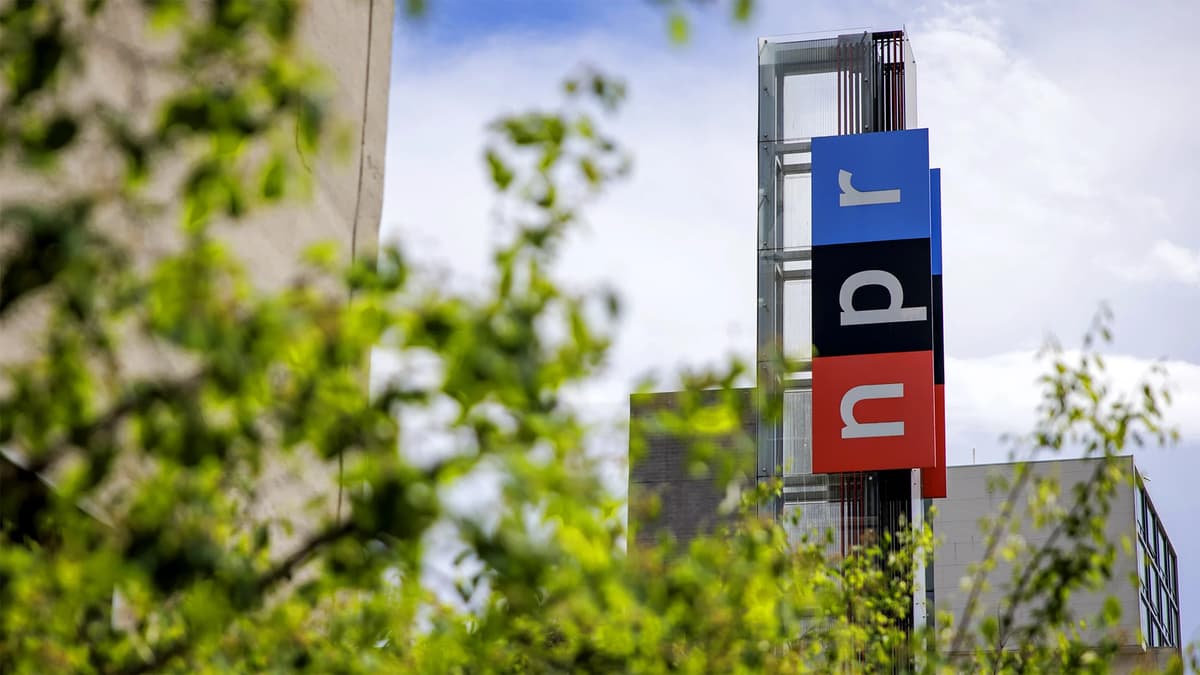
When Congress Pulled the Plug on Public Radio, A Billionaire Wrote an $80 Million Check
Companies Mentioned
National Public Radio

The Washington Post
Why It Matters
The infusion of private capital safeguards independent journalism and underscores the growing reliance on philanthropy to fund public media when government support wanes.
Key Takeaways
- •Congress cut $113M federal funding for NPR and PBS.
- •Connie Ballmer pledged $80M, largest living donor gift to NPR.
- •Anonymous donor added $33M, bringing total to $113M.
- •Donation secures NPR’s operations amid political funding threats.
Pulse Analysis
The abrupt removal of federal appropriations for public broadcasters has reignited a debate over the sustainability of America’s nonprofit media ecosystem. Historically, NPR and PBS have depended on a blend of government grants, listener contributions, and corporate underwriting. When Congress acted to claw back the $113 million earmarked for these outlets, stations faced potential layoffs, reduced programming, and a scramble for alternative revenue streams. This policy shift reflects a broader political trend of scrutinizing public spending on cultural institutions, prompting stakeholders to reassess funding models.
Enter philanthropy, a force that has increasingly stepped into the breach left by shrinking public coffers. Connie Ballmer, co‑founder of the Ballmer Group and former Microsoft executive, announced an $80 million pledge—her largest single contribution to a living donor’s portfolio. The gift not only eclipses previous private donations to NPR but also signals a strategic commitment to preserving an informed citizenry. Ballmer’s rationale, emphasizing the bedrock role of independent journalism in democracy, aligns with a growing cadre of high‑net‑worth individuals who view media support as a civic duty rather than a charitable afterthought.
The combined $113 million infusion reshapes the financial calculus for NPR, granting it a multi‑year runway to maintain newsrooms, invest in digital platforms, and expand underserved markets. However, reliance on private wealth raises questions about editorial independence and long‑term viability. As more media entities turn to billionaire benefactors, the industry must balance gratitude with safeguards that prevent donor influence from steering content. Ultimately, this episode illustrates a pivotal moment: public media’s future may hinge less on congressional appropriations and more on a hybrid model that blends public funding, audience support, and strategic philanthropy.
When Congress Pulled the Plug on Public Radio, A Billionaire Wrote an $80 Million Check
Comments
Want to join the conversation?
Loading comments...