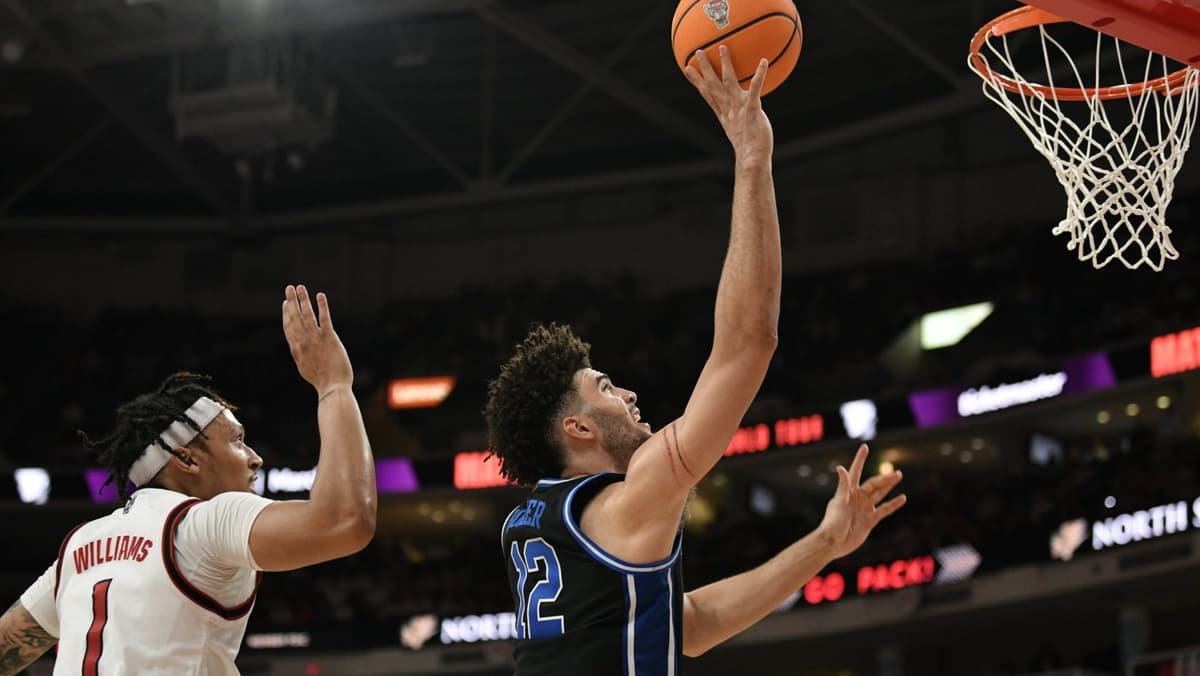
Why a College Basketball Game Organizer Is Fighting With Photo Services
•March 3, 2026
0
Why It Matters
The impasse threatens the flow of premium sports imagery to broadcasters and publishers, potentially reshaping how neutral‑site events negotiate media access. It also raises First Amendment and copyright concerns for news organizations covering live sports.
Key Takeaways
- •Gazelle demanded free photo rights for credentialed photographers
- •AP, Getty, Imagn refused due to rights waiver conflict
- •No major wire images captured Duke vs Michigan game
- •Dispute raises press freedom and copyright concerns
Pulse Analysis
Neutral‑site college basketball games have become lucrative platforms for independent promoters like The Gazelle Group, which sell their own media rights separate from conference‑controlled broadcasts. By issuing credentials that bundle event access with a blanket waiver of photographers’ copyright, Gazelle aims to protect itself from infringement claims and avoid licensing fees. However, this model collides with the long‑standing practice of news agencies retaining editorial control over image usage, creating a legal gray area that can disrupt the supply chain of visual content for national outlets.
The three major wire services—AP, Getty Images, and Imagn—cited their independent editorial standards and the need to preserve First Amendment protections when rejecting Gazelle’s terms. Their stance underscores a broader industry principle: news organizations must retain the ability to license images for commercial and promotional purposes without surrendering rights for free. The National Press Photographers Association’s warning against signing such waivers further amplifies concerns that forced licensing could erode photographers’ intellectual property and set a precedent for other event operators seeking similar concessions.
If the stalemate persists, promoters may be forced to redesign credential agreements, offering more flexible licensing or monetary compensation for image use. Conversely, agencies might develop alternative distribution channels, such as direct partnerships with leagues or leveraging user‑generated content, to fill gaps left by traditional wires. The outcome will likely influence how sports media rights are negotiated across the collegiate landscape, balancing event revenue goals with the press’s need for unrestricted access to capture and disseminate high‑stakes competition.
Why a College Basketball Game Organizer Is Fighting With Photo Services
0
Comments
Want to join the conversation?
Loading comments...