Why a Correspondents’ Dinner at a White House Ballroom Could Endanger Press Freedom
Why It Matters
A White House‑hosted dinner could give the president undue influence over the press, threatening journalistic independence and setting a precedent for government‑controlled media events.
Key Takeaways
- •Trump proposes $400 million privately‑funded White House ballroom
- •Ballroom design seats ~1,000, smaller than Washington Hilton venue
- •Critics warn White House venue could let president control press coverage
- •Support comes from GOP officials and pro‑Trump social media voices
- •WHCA president says board will assess dinner’s future location
Pulse Analysis
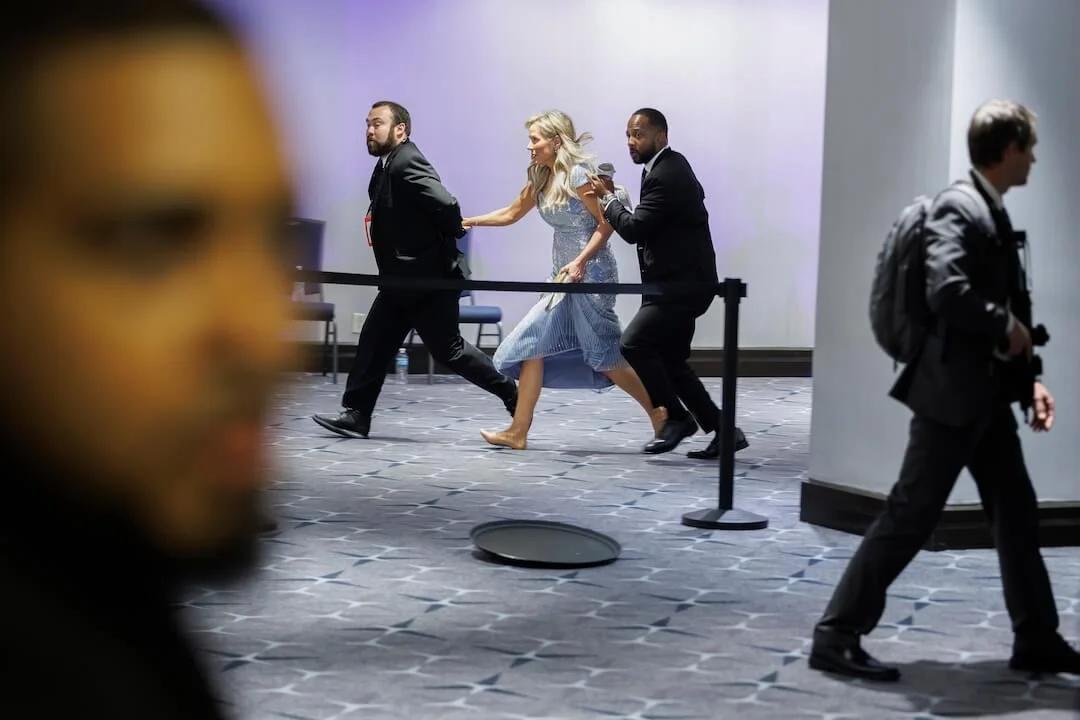
The April 2026 shooting at the annual correspondents’ dinner reignited debate over the event’s venue. President Trump seized the moment to champion a massive, $400 million ballroom he says will be "Militarily Top Secret" and keep the president from evacuating during crises. By sidestepping the National Capital Planning Commission, the administration signals a willingness to fast‑track projects that align with political narratives, raising questions about transparency and fiscal oversight. The private‑donation model also blurs lines between campaign fundraising and federal construction, a pattern observed in previous Trump‑era initiatives.
Media ethicists argue that relocating the dinner to a White House ballroom threatens the core principle of a free press. Historically, the White House Correspondents’ Association has used neutral venues to maintain editorial independence, allowing journalists to critique the administration without fear of retaliation. Experts from the Poynter Institute and academia warn that a federal setting could give the president leverage to cancel or shape the event, effectively turning a celebration of press freedom into a tool for political control. The concern is not merely symbolic; it could set a legal precedent for future administrations to host press events on government property, eroding the firewall between the executive branch and the fourth estate.
Practical considerations further complicate the proposal. The planned ballroom, accommodating roughly 1,000 guests, is significantly smaller than the Washington Hilton’s space, potentially limiting attendance and fundraising capacity. Alternative venues like the Walter E. Washington Convention Center already meet size and security needs without compromising journalistic autonomy. While Republican lawmakers and pro‑Trump influencers have rallied behind the project, the broader media community remains skeptical, emphasizing that the dinner’s purpose—to celebrate and protect press freedom—could be undermined by a location that places it under direct presidential oversight. The WHCA’s pending review will likely shape the future balance between security concerns and the essential independence of the press.
Why a correspondents’ dinner at a White House ballroom could endanger press freedom
Comments
Want to join the conversation?
Loading comments...