Why Broadcasters Are Rethinking Infrastructure One Practical Step at a Time
Why It Matters
Software‑defined, hyperconverged solutions lower capital and operating costs while delivering the agility needed for modern, multi‑format broadcasting, positioning firms to stay competitive as production workflows evolve.
Key Takeaways
- •Legacy broadcast gear adds cabling, power, and maintenance overhead.
- •Flexibility and efficiency now drive infrastructure decisions alongside reliability.
- •Software-defined hardware reduces space, power consumption, and capital spend.
- •Hyperconverged solutions enable incremental upgrades without full hardware replacement.
- •Incremental, measured changes improve adaptability and lower long‑term costs.
Pulse Analysis
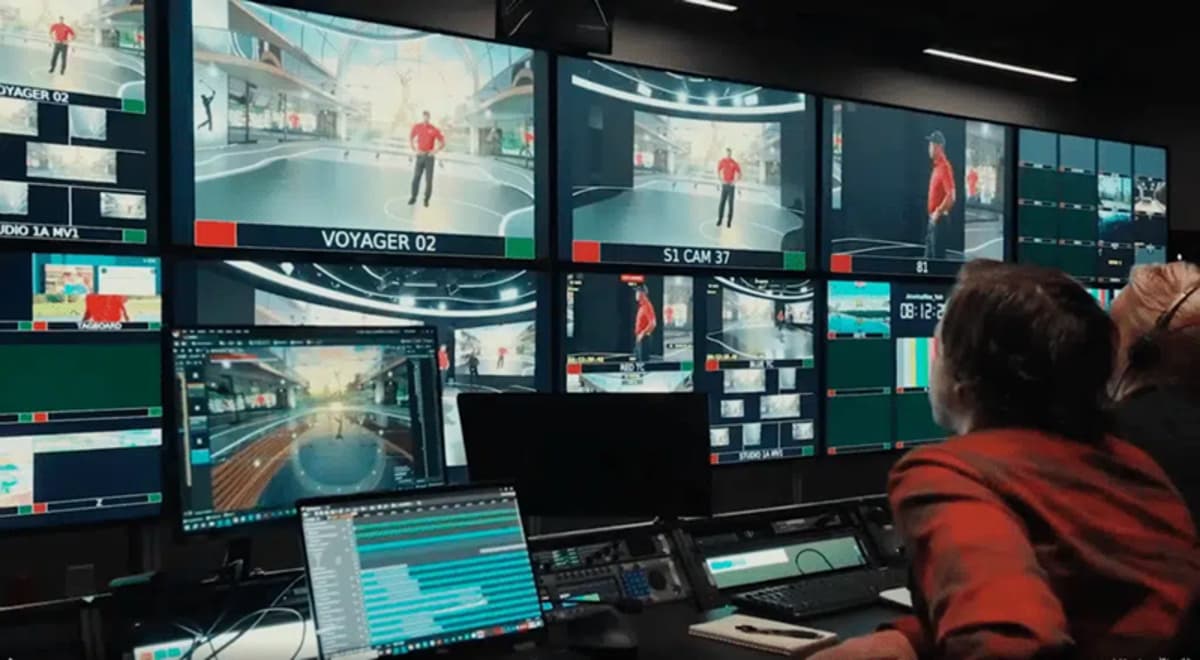
The traditional broadcast plant grew organically, layer after layer of encoders, routers, and monitoring gear. Each new requirement meant another rack, more fiber runs, and additional power circuits, creating a tangled web that strained space and maintenance teams. Over time, the cumulative complexity made even modest changes risky, as a single fault could cascade across a sprawling hardware ecosystem. This legacy model, while once reliable, now hampers the speed and cost efficiency demanded by live, multi‑platform productions.
Enter software‑defined infrastructure and hyperconverged platforms, which abstract processing, storage, and networking into a unified, programmable layer. By shifting functionality from dedicated appliances to flexible software stacks, broadcasters can repurpose existing compute resources for new codecs, IP‑based workflows, or remote collaboration without purchasing new chassis. The result is a leaner footprint—fewer cables, reduced power draw, and lower cooling loads—while delivering rapid provisioning and scaling. Financially, the model converts large upfront CapEx into predictable OpEx, aligning spend with actual usage and reducing the risk of obsolescence.
Industry leaders are adopting a pragmatic, step‑by‑step migration rather than a wholesale overhaul. Small pilots that replace a legacy router with a virtualized counterpart demonstrate immediate ROI, encouraging broader rollout. This incremental approach lets facilities retain proven assets, mitigate disruption, and continuously refine their tech stack. As audience expectations shift toward on‑demand, multi‑format content, the ability to adapt infrastructure quickly becomes a competitive differentiator, ensuring broadcasters can meet future demands without the burden of legacy complexity.
Why Broadcasters are Rethinking Infrastructure One Practical Step at a Time
Comments
Want to join the conversation?
Loading comments...