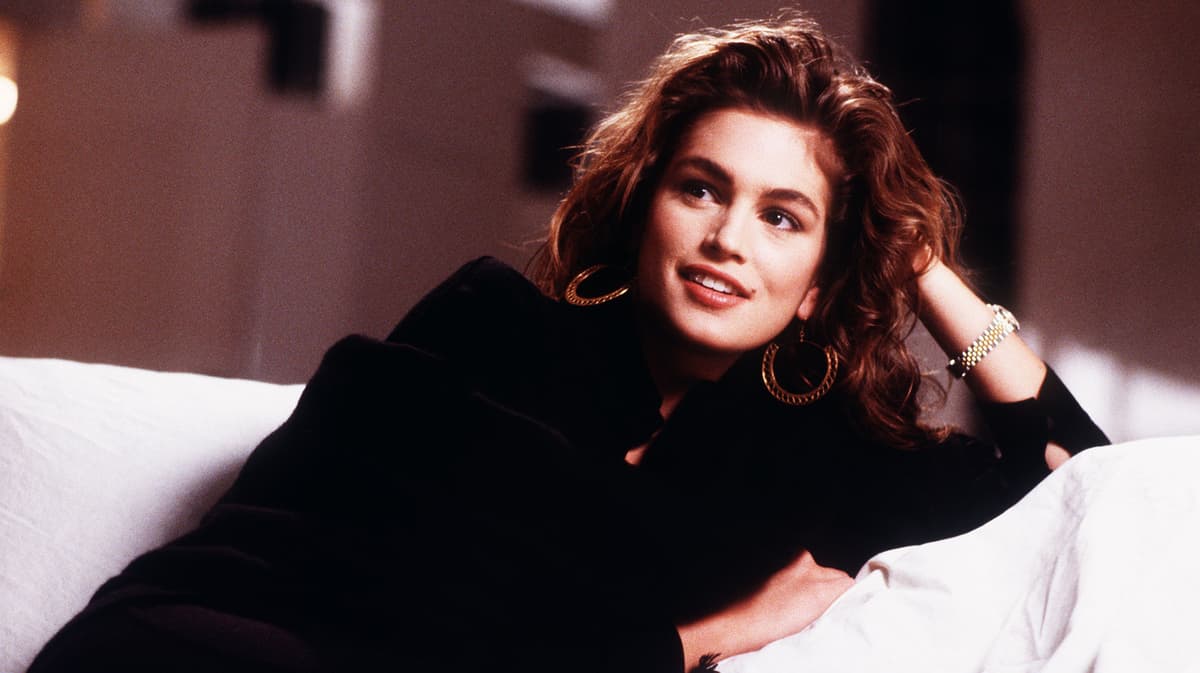
Why Cindy Crawford's First Year As Host Of MTV's House Of Style Was Unpaid
Companies Mentioned

MTV
Why It Matters
Crawford’s willingness to work for free showed how celebrity involvement can launch niche programming, while MTV’s low‑budget fashion show proved authentic content can boost brand relevance. The case highlights the strategic value of talent partnerships in media innovation.
Key Takeaways
- •Crawford hosted MTV's House of Style for free in 1989
- •MTV originally planned Johnny Rotten as host before selecting Crawford
- •The unpaid gig boosted Crawford's TV profile and MTV's fashion credibility
- •Show launched with a $25,000 budget for its first season
- •House of Style pioneered fashion news on youth television
Pulse Analysis
When MTV launched in the late 1980s, it was synonymous with music videos, yet executives sensed a gap in lifestyle coverage. The concept for “House of Style” emerged from a desire to blend pop culture with runway trends, leading Alisa Marie Bellettini to draft a fashion‑centric series on a modest $25,000 budget. Initial plans even floated Johnny Rotten as host, a bold move that would have positioned the show at the intersection of punk attitude and couture. Ultimately, the network pivoted to a more marketable face—supermodel Cindy Crawford—who could attract both male and female viewers.
Crawford’s decision to host without compensation was driven by personal ambition rather than financial need; she was already earning substantial daily modeling fees. The unpaid role offered her a platform to transition into television, expanding her brand beyond print and runway. Her presence lent instant credibility to a fledgling program, drawing viewers who might otherwise have dismissed a fashion show on a music channel. The partnership proved mutually beneficial: MTV gained a recognizable fashion authority, while Crawford leveraged the exposure to become a pop‑culture staple, eventually hosting six seasons and solidifying her media persona.
The episode underscores a timeless lesson for media companies: strategic celebrity collaborations can offset limited production budgets and generate cultural cachet. Modern streaming services replicate this model, pairing emerging talent with established icons to spark buzz. “House of Style” set a precedent for fashion‑focused content on youth platforms, influencing later shows like “Project Runway” and “The Fashion Show.” For brands today, aligning with personalities who see value beyond immediate pay can unlock new audiences and long‑term loyalty.
Why Cindy Crawford's First Year As Host Of MTV's House Of Style Was Unpaid
Comments
Want to join the conversation?
Loading comments...