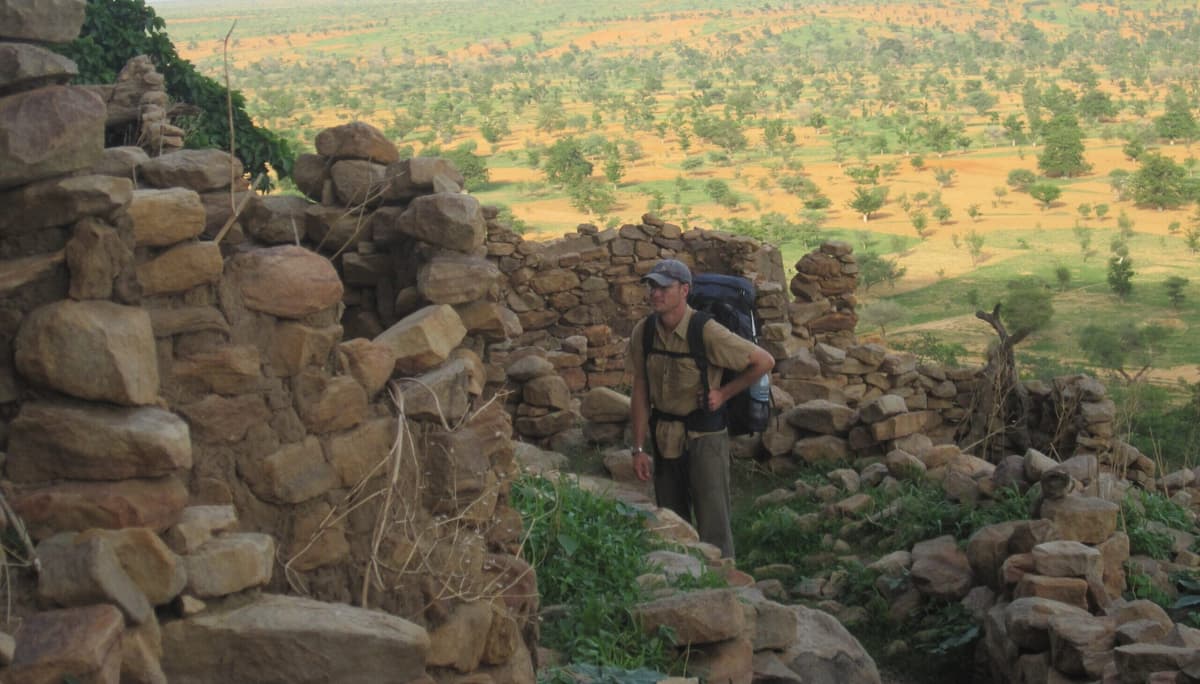
Why It Matters
Evidence‑based reporting holds polluters and policymakers accountable, accelerating transparent conservation actions. By spotlighting hidden agreements, journalists like Cannon influence policy debates and empower affected communities.
Key Takeaways
- •Mongabay emphasizes evidence‑based reporting to bridge science and public understanding
- •Journalist John Cannon leverages biology background to investigate hidden carbon‑credit deals
- •Reporting on Sabah carbon‑credit agreement spurred scrutiny from Indigenous leaders
- •Evidence‑driven stories connect conservation research to everyday livelihoods
Pulse Analysis
In an era where climate change dominates headlines, the credibility of environmental journalism hinges on rigorous evidence. Newsrooms that prioritize data‑driven storytelling, such as Mongabay, serve as vital translators between academic research and the public sphere. By grounding articles in peer‑reviewed studies, field observations, and transparent sources, they counter misinformation and provide decision‑makers with reliable inputs for policy formulation. This evidence‑first ethos also differentiates reputable outlets from sensationalist platforms that chase clicks over facts.
John Cannon’s career illustrates how a solid scientific foundation amplifies journalistic impact. After earning a biology degree at Ohio State and a science‑writing master’s at UC Santa Cruz, Cannon applied his expertise to uncover a clandestine carbon‑credit arrangement in Sabah, Malaysian Borneo. His investigation revealed opaque negotiations that had bypassed community consultation, prompting Indigenous leaders, state officials, and international NGOs to demand greater transparency. The story’s ripple effect demonstrates that meticulous, evidence‑backed reporting can catalyze real‑world scrutiny and policy reassessment.
The broader implication for the media industry is clear: evidence‑based environmental reporting is not a luxury but a necessity for effective climate governance. As governments grapple with biodiversity loss and carbon markets, journalists equipped with scientific literacy can illuminate hidden risks, hold corporations accountable, and amplify marginalized voices. Investing in specialized training, fostering collaborations with research institutions, and maintaining editorial independence will ensure that future coverage continues to shape sustainable outcomes and empower audiences seeking trustworthy information.
Why evidence matters in environmental journalism
Comments
Want to join the conversation?
Loading comments...