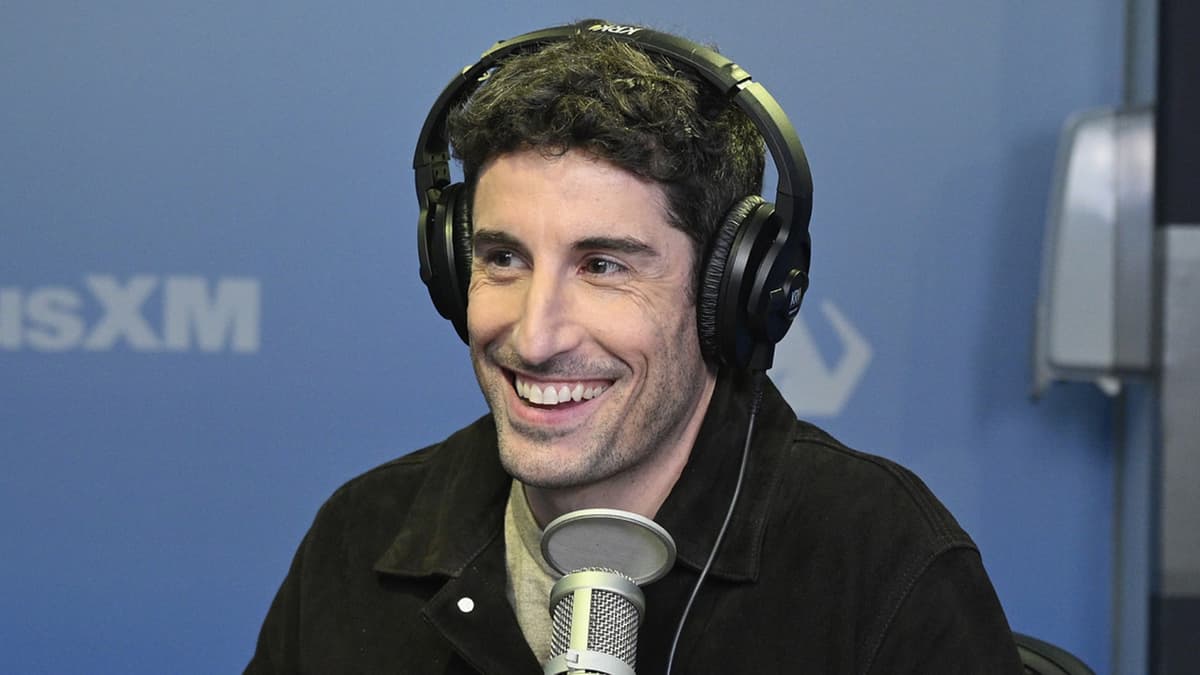
Why Jason Biggs Rejected The Lead Role In How I Met Your Mother
•February 28, 2026
0
Companies Mentioned


Why It Matters
Biggs’s missed opportunity illustrates how actor perceptions of TV versus film can reshape casting outcomes and highlights the growing prestige of television and streaming platforms in talent strategy.
Key Takeaways
- •Biggs turned down Ted Mosby role in 2005
- •Regret stems from stigma between film and TV actors
- •Decision highlighted TV's rising prestige post-2000s
- •Later success came via Netflix's Orange Is the Black
- •Career illustrates importance of platform diversification
Pulse Analysis
When Jason Biggs declined the Ted Mosby part, he was acting on a long‑standing industry bias that placed film above television. In the early 2000s, many movie‑trained actors feared that a sitcom could pigeonhole them, limiting future blockbuster prospects. Biggs’s own comments about a "weird stigma" reflect a mindset that has since eroded, as premium cable and streaming services began delivering critical acclaim and lucrative contracts, reshaping the talent pipeline.
The vacancy created a pivotal casting moment for *How I Met Your Mother*. Josh Radnor, a relatively unknown stage actor, stepped into the role and helped anchor a series that ran nine seasons, becoming a cultural touchstone. Biggs’s decision, meanwhile, left him tethered to a series of under‑performing film projects, including sequels to *American Pie*, which offered short‑term cash but limited artistic growth. His later pivot to television, culminating in a regular spot on Netflix’s *Orange Is the New Black*, demonstrates how a strategic embrace of the small screen can revive a stalled career.
Biggs’s story serves as a cautionary tale for actors and managers evaluating platform choices. The rise of streaming giants has blurred the line between cinematic and television prestige, making diversified portfolios essential. Modern talent agents now advise clients to weigh long‑term brand building over short‑term ego, recognizing that a well‑written TV role can deliver both critical recognition and financial stability. This shift underscores the broader industry trend where television is no longer a fallback but a primary arena for career advancement.
Why Jason Biggs Rejected The Lead Role In How I Met Your Mother
0
Comments
Want to join the conversation?
Loading comments...