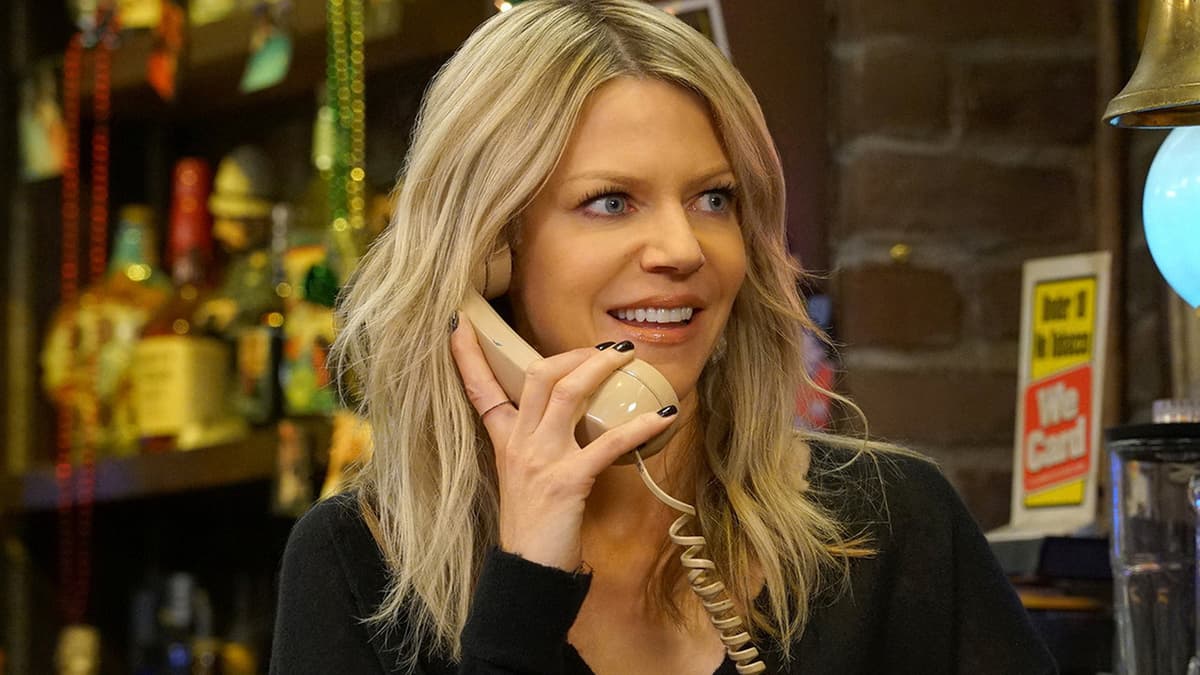
Why Kaitlin Olson Did Her Own Stunts On It's Always Sunny In Philadelphia
•March 1, 2026
0
Why It Matters
Olson’s willingness to risk injury underscores a growing demand for authentic physical comedy, boosting audience engagement and reinforcing the value of versatile talent in today’s streaming‑driven market.
Key Takeaways
- •Olson performed dangerous stunts herself, avoiding stunt double
- •Injuries include broken bones and calf laceration
- •Physical comedy enhances realism, praised by co‑star Charlie Day
- •Stunts honor legacy of bold female comedians
- •Dual roles expand Olson’s career beyond “Sunny”
Pulse Analysis
The practice of actors performing their own stunts has moved from action blockbusters into sitcom territory, with Kaitlin Olson joining the ranks of Jackie Chan and Tom Cruise. By eliminating the visual disconnect that a stunt double can create, producers achieve a seamless comedic rhythm that resonates with viewers seeking genuine, high‑stakes humor. However, this approach forces production teams to balance insurance costs, schedule delays, and the ethical responsibility of safeguarding talent, especially in fast‑paced television environments where shooting windows are tight.
Physical comedy has deep roots in television history, from Carol Burnett’s slapstick sketches to Julia Louis‑Dreyfus’s fearless SNL characters. Olson cites these pioneers as inspirations, positioning her own bruises as a badge of comedic dedication. The visceral nature of her performances amplifies timing cues and audience laughter, proving that well‑executed pratfalls can be as effective as witty dialogue. This lineage highlights a broader shift: women are increasingly front‑and‑center in high‑energy, physical humor, challenging outdated gender norms in the genre.
From a business perspective, Olson’s stunt‑driven moments generate social‑media buzz, driving viewership spikes for both live broadcasts and streaming platforms. Networks leverage these viral clips in promotional campaigns, translating on‑screen risk into measurable advertising value. Moreover, an actor’s willingness to perform stunts can command higher compensation and open doors to diversified roles, as evidenced by Olson’s simultaneous casting in a network drama. As streaming services prioritize distinctive, shareable content, the strategic use of authentic physical comedy may become a differentiator for future sitcom productions.
Why Kaitlin Olson Did Her Own Stunts On It's Always Sunny In Philadelphia
0
Comments
Want to join the conversation?
Loading comments...