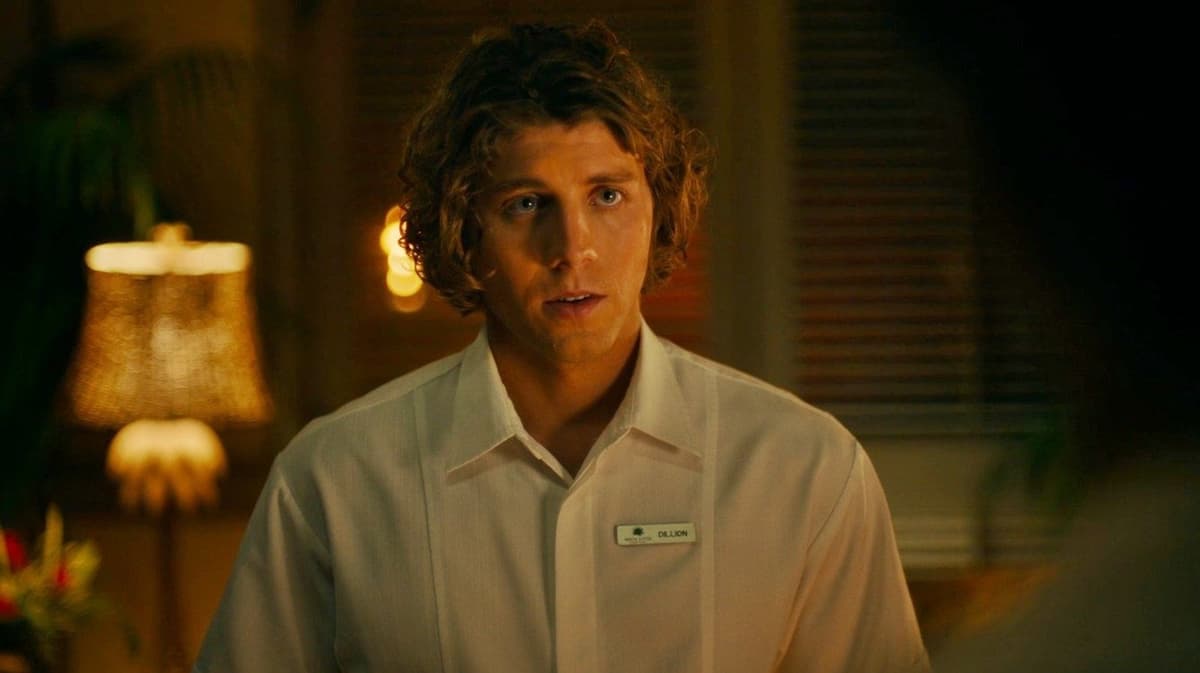
Why Lukas Gage Was Fired From Mad Men (And The Nickname It Earned Him)
•March 9, 2026
0
Why It Matters
The story illustrates how strict visual standards in period dramas can affect casting, while also showing that early career setbacks can catalyze long‑term success in the entertainment industry.
Key Takeaways
- •Tattoo conflicted with period authenticity, leading to firing
- •Nickname “tattoo boy” emerged among castmates
- •Jon Hamm offered support, normalizing early career setbacks
- •Firing redirected Gage to Euphoria and The White Lotus
- •Incident underscores visual continuity's weight in period series
Pulse Analysis
Casting for period pieces like *Mad Men* demands meticulous attention to visual detail, often extending beyond dialogue and set design. Producers scrutinize every on‑screen element to maintain historical fidelity, and a modern tattoo can become a disqualifying factor, as it did for Gage. This level of scrutiny reflects broader industry trends where authenticity drives audience immersion, prompting studios to enforce strict wardrobe and appearance guidelines that can abruptly alter an actor’s trajectory.
Gage’s experience also highlights the human side of Hollywood’s high‑stakes environment. Being publicly dismissed could have damaged his reputation, yet Jon Hamm’s unexpected encouragement underscored a culture of mentorship that values resilience. Such support networks help emerging talent navigate criticism from agents and peers, turning a perceived failure into a learning moment. The episode serves as a reminder that early career setbacks are common and often shape professional growth.
In hindsight, the firing acted as a catalyst for Gage’s breakout roles. Freed from the constraints of a period drama, he pursued contemporary projects that showcased his range, landing parts in *Euphoria* and the critically acclaimed *The White Lotus*. These performances elevated his profile, leading to film opportunities alongside A‑list stars. The narrative reinforces a broader lesson for actors: adaptability and perseverance can transform a misstep into a springboard for sustained success in a competitive market.
Why Lukas Gage Was Fired From Mad Men (And The Nickname It Earned Him)
0
Comments
Want to join the conversation?
Loading comments...