Why It Matters
The pilot’s troubled production illustrates how network pressures and historic events can reshape a TV concept, turning a potential satire into a long‑running sitcom. Understanding this evolution offers insight into decision‑making that still influences modern series development.
Key Takeaways
- •Pilot filmed Nov 1963, delayed by JFK assassination.
- •Original cast featured different secretaries, changed before series launch.
- •CBS demanded comedic tone, overriding Schwartz's satire vision.
- •Episode ran two minutes short, required recuts and reshoots.
- •Unreleased pilot aired 1992, revealing production turmoil.
Pulse Analysis
The early 1960s were a volatile period for television, with networks racing to fill primetime slots while the nation grappled with momentous events. When Gilligan’s Island began filming in Honolulu, the assassination of President Kennedy halted production as the harbor closed for mourning, forcing the crew to pause and re‑evaluate a project already over budget. This external shock compounded internal timing issues, leaving the pilot two minutes shy of the required length and prompting costly reshoots that delayed the series launch.
Beyond logistical hurdles, the pilot became a battleground for creative control. Sherwood Schwartz imagined a satirical take on class distinctions, using the stranded cast to lampoon social hierarchies. CBS executives, however, favored a light‑hearted, goofy formula centered on Bob Denver’s slapstick appeal. The resulting compromises reshaped characters—replacing secretaries Bunny and Ginger with the iconic Mary Ann and Ginger Grant—and swapped the original professor for Russell Johnson, cementing the ensemble that would dominate 99 episodes. These decisions not only altered the show’s tone but also set a precedent for network‑driven re‑tooling of concepts.
When the unaired pilot finally aired in 1992, it offered scholars and fans a rare glimpse into what might have been a markedly different series. The episode underscores how external events, budget constraints, and executive mandates can pivot a show's destiny, a lesson still relevant as contemporary creators negotiate streaming platforms’ demands. By studying Gilligan’s Island’s rocky genesis, industry professionals gain perspective on balancing artistic vision with commercial realities, ensuring that future productions can navigate similar challenges without losing their core identity.
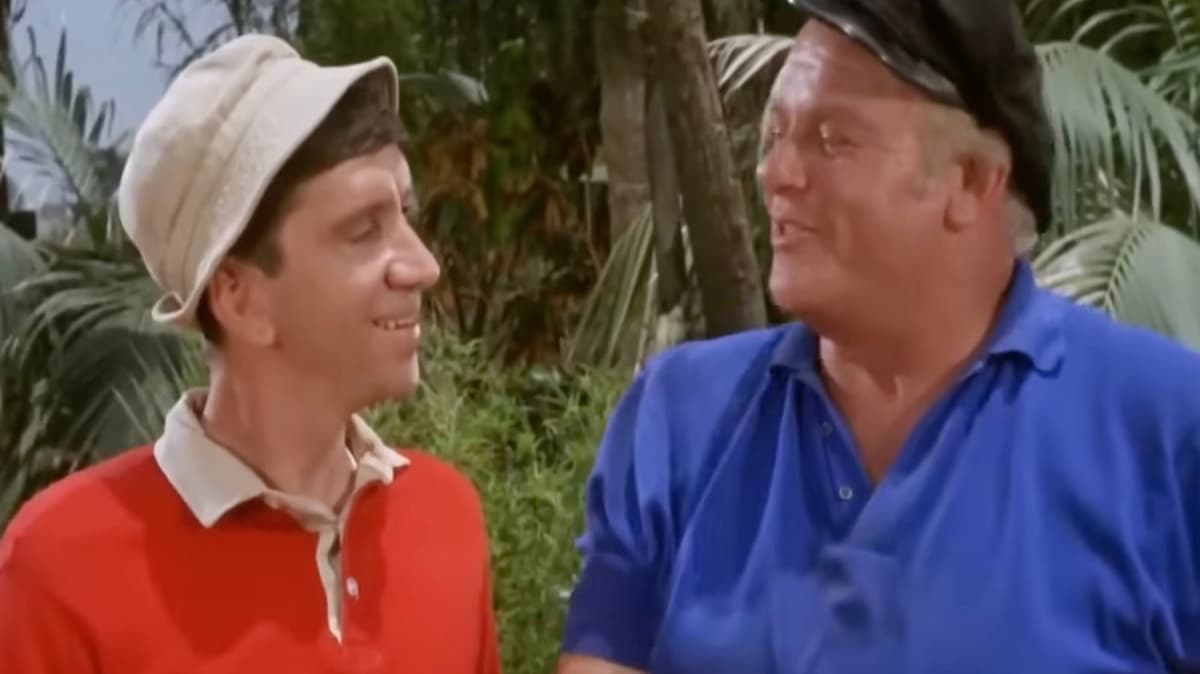
Why Nobody Was Happy With Gilligan's Island's Pilot Episode
0
Comments
Want to join the conversation?
Loading comments...