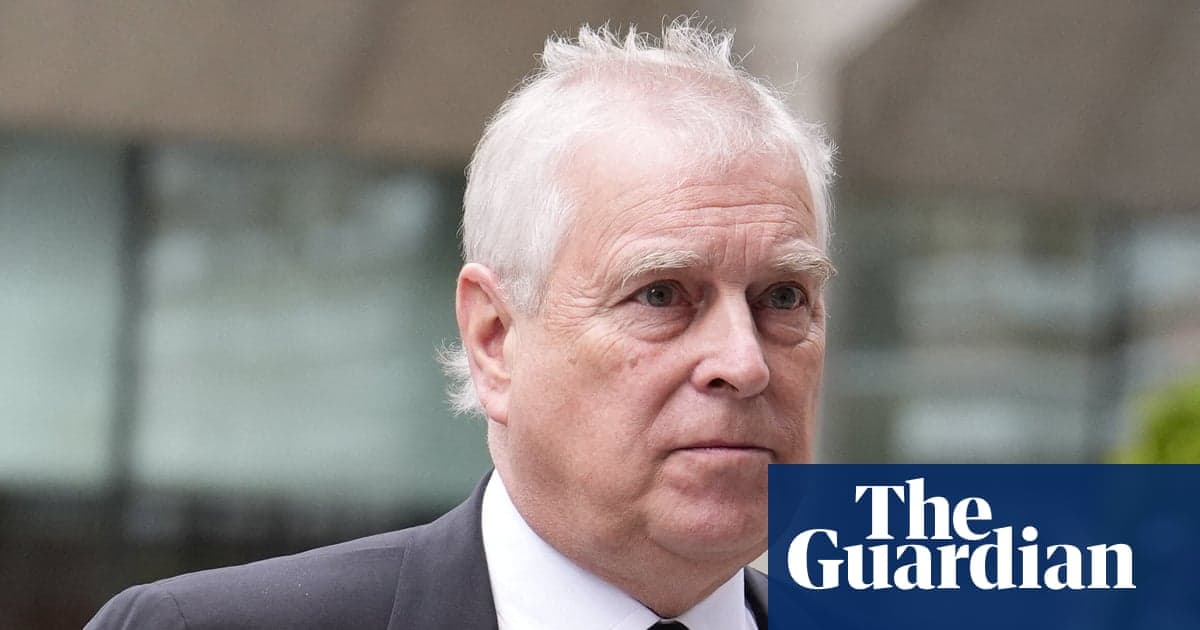
Will Andrew Bring Down the Monarchy? – Podcast
•February 26, 2026
0
Companies Mentioned


Why It Matters
The controversy threatens the monarchy’s credibility and could trigger institutional reforms, impacting public trust and the Crown’s political relevance.
Key Takeaways
- •MPs vote to release Andrew's trade envoy documents.
- •Andrew arrested on suspicion of misconduct in public office.
- •King Charles faces criticism for delayed response.
- •Prince William's reform agenda gains public attention.
- •Guardian podcast examines monarchy's future amid scandal.
Pulse Analysis
The Prince Andrew saga resurfaced when Parliament approved a motion to unseal files detailing his decade‑long tenure as a UK trade envoy. While the role was intended to boost British exports, investigations revealed opaque appointments and alleged financial improprieties, prompting a police inquiry that culminated in his recent arrest. Andrew’s longstanding connections to Jeffrey Epstein further complicate the narrative, casting a shadow over the royal family’s reputation and raising questions about accountability within privileged circles.
In Westminster, the document‑release vote signals a rare moment of parliamentary assertiveness over the Crown. Lawmakers argue that transparency is essential to assess whether the monarchy unduly influenced trade policy or benefitted from patronage. The move intensifies scrutiny of King Charles III, who is being urged to demonstrate decisive leadership and distance the institution from past missteps. Critics contend that the delayed response erodes public confidence, while supporters warn that excessive politicisation could destabilise constitutional conventions.
Looking ahead, the episode sparks debate about the monarchy’s capacity for self‑renewal. Prince William, positioned as the future king, is increasingly linked to modernization efforts, ranging from financial reforms to a more community‑focused public image. If the royal household embraces substantive change, it may mitigate the reputational damage caused by Andrew’s scandal and reinforce its relevance in a rapidly evolving society. Conversely, failure to act could accelerate calls for deeper constitutional reform or even abolition, underscoring the high stakes of this moment.
Will Andrew bring down the monarchy? – podcast
0
Comments
Want to join the conversation?
Loading comments...