‘Wolfram’ Review: Warwick Thornton’s ‘Sweet Country’ Follow-Up Is Just as Ravishingly Bleak
•February 20, 2026
0
Why It Matters
The film expands the limited pool of Indigenous‑directed colonial narratives, offering global audiences a rare Aboriginal perspective on Australia’s mining past. Its festival exposure and pending distribution could accelerate demand for authentic Indigenous storytelling in mainstream markets.
Key Takeaways
- •Warwick Thornton returns with “Wolfram,” 1930s Aboriginal western
- •Film explores tungsten mining and colonial exploitation in Central Australia
- •Premiered at 2026 Berlin Film Festival, seeking U.S. distribution
- •Features returning characters from “Sweet Country,” deepening narrative continuity
- •Highlights scarcity of Indigenous‑directed colonial histories in global cinema
Pulse Analysis
Warwick Thornton has become a defining voice in contemporary Australian cinema, and his latest project, “Wolfram,” reinforces that reputation. Building on the critical success of 2017’s “Sweet Country,” the film situates itself in the early 1930s, a period when the Australian outback was being reshaped by resource extraction and colonial law. By placing an Aboriginal director at the helm, “Wolfram” counters the historical dominance of non‑Indigenous storytellers and adds authenticity to a genre that has long marginalized First Nations perspectives. The director also handled cinematography, ensuring the stark landscape feels both lived‑in and mythic.
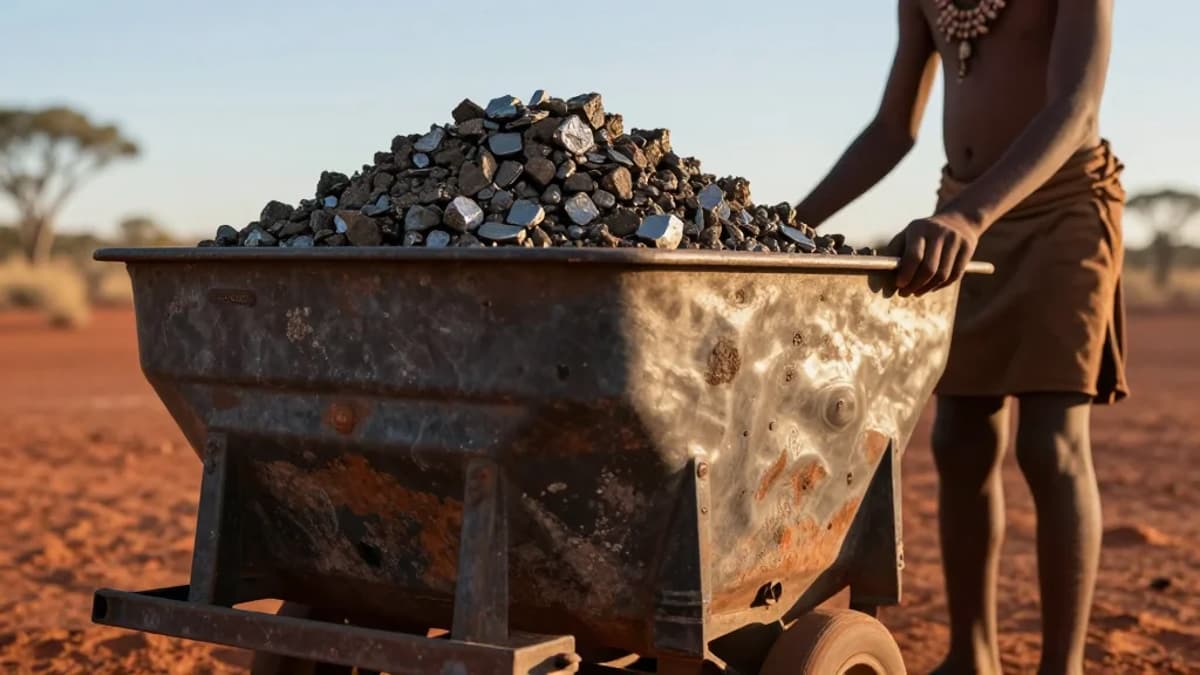
The plot centers on a half‑breed man, Philomac, and two Aboriginal child miners who are forced to confront white outlaws exploiting the region’s tungsten—known locally as wolfram. The mineral’s rarity becomes a metaphor for the value placed on Indigenous labor and land, while the outlaws’ violent claims echo the broader colonial agenda. Thornton weaves personal trauma, such as lingering PTSD from “Sweet Country,” with communal resilience, illustrated by the children’s daring chase on a donkey. The film’s visual language—eerie percussion, silhouetted horizons, and restrained bloodshed—underscores the bleak beauty of resistance.
“Wolfram” debuted at the 2026 Berlin Film Festival, where it garnered a B‑ grade and immediate interest from U.S. distributors seeking fresh, socially relevant content. Its festival momentum highlights a growing appetite for Indigenous‑led narratives that confront uncomfortable histories while delivering compelling storytelling. As streaming platforms and arthouse exhibitors expand their global catalogs, a successful U.S. release could open doors for more Aboriginal filmmakers and encourage investors to fund projects that blend cultural specificity with universal themes. In this climate, “Wolfram” stands poised to influence both the artistic and commercial trajectories of Australian cinema.
‘Wolfram’ Review: Warwick Thornton’s ‘Sweet Country’ Follow-Up Is Just as Ravishingly Bleak
0
Comments
Want to join the conversation?
Loading comments...