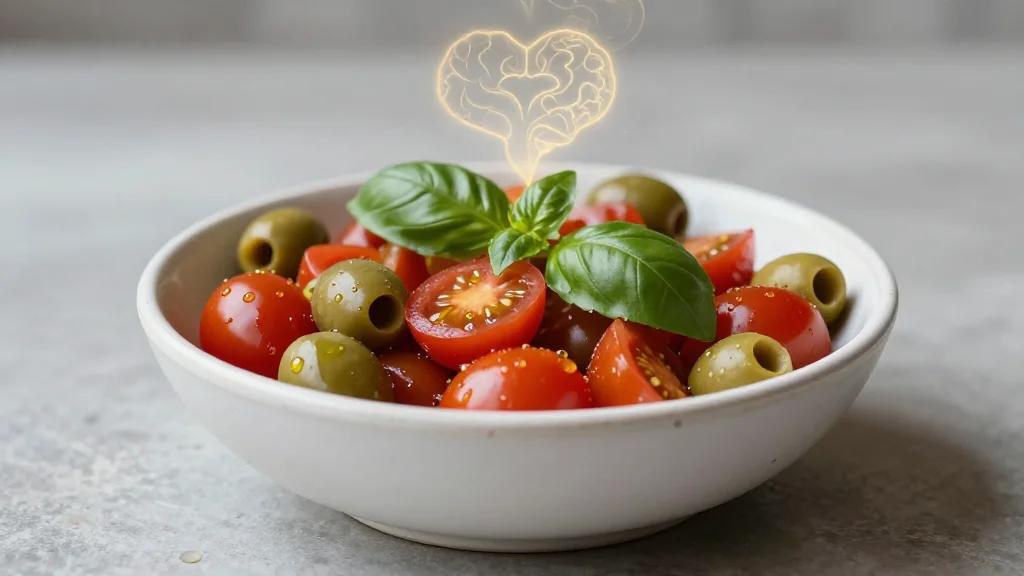
Tiny Mitochondrial Proteins May Explain the Health Benefits of the Mediterranean Diet
Why It Matters
The findings uncover a molecular conduit between diet and mitochondrial health, paving the way for personalized nutrition strategies and novel therapeutic targets in age‑related cardiovascular and neurodegenerative diseases.
Key Takeaways
- •High Mediterranean adherence raises Humanin and SHMOOSE blood levels.
- •Elevated Humanin correlates with lower Nox2 activity and oxidative stress.
- •Olive oil and fish intake drive the strongest microprotein response.
- •Microproteins could become biomarkers for diet compliance and cardioprotection.
- •Study limited by small, elderly, observational cohort.
Pulse Analysis
The Mediterranean diet has long been praised for lowering cardiovascular risk and supporting cognitive health, yet the precise biochemical pathways have remained elusive. Recent work highlights mitochondria—the cell’s powerhouses—as a critical interface, where tiny microproteins encoded by mitochondrial DNA act as messengers that respond to nutrient cues. By focusing on Humanin and SHMOOSE, researchers are linking a centuries‑old eating pattern to modern molecular aging theory, expanding the diet’s relevance beyond macronutrient balance to intracellular signaling.
Humanin and SHMOOSE are exceptionally small yet potent regulators of cellular stress. Humanin improves insulin sensitivity, promotes cell survival, and directly antagonizes the Nox2 enzyme that generates harmful reactive oxygen species. SHMOOSE, meanwhile, shields neurons from amyloid‑related damage, offering a plausible explanation for the diet’s neuroprotective reputation. The study’s observation that olive oil, fish, and legumes boost these proteins suggests that specific dietary components can up‑regulate mitochondrial defenses, reducing oxidative stress and its downstream impact on heart and brain tissue.
If subsequent randomized trials confirm these associations, circulating microprotein levels could become practical biomarkers for diet adherence, enabling clinicians to tailor nutritional prescriptions with measurable feedback. Such biomarkers would also accelerate drug discovery aimed at mimicking the protective effects of Humanin and SHMOOSE. Ultimately, integrating mitochondrial microprotein profiling into personalized nutrition could transform preventive cardiology and geriatric care, turning a traditional diet into a precision‑medicine tool for healthy aging.
Tiny mitochondrial proteins may explain the health benefits of the Mediterranean diet
Comments
Want to join the conversation?
Loading comments...