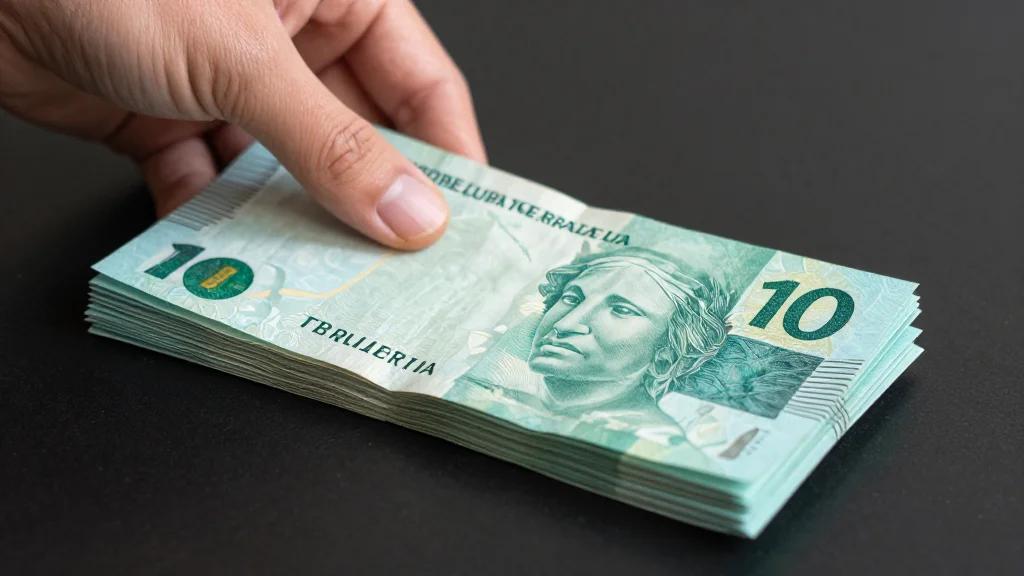
Brazil Central Bank Trims FX Swap Stock as Real Nears R$4.90/USD, Santander Says

Companies Mentioned
Why It Matters
The central bank’s swap‑stock reduction directly affects the supply of FX swaps, a primary hedging instrument for Brazilian corporates and foreign investors. A tighter swap market can increase hedging costs, influencing trade margins and foreign‑direct investment decisions. Moreover, the move underscores how monetary authorities can use derivative tools to manage currency volatility without overtly intervening in spot rates, a strategy that could be replicated in other emerging markets facing similar exchange‑rate pressures. By signaling a willingness to withdraw liquidity when the real is strong, the bank may also shape expectations about future monetary policy and inflation dynamics. Traders will need to recalibrate pricing models for Brazilian FX derivatives, and banks will adjust balance‑sheet exposure to reverse swaps, potentially reshaping the broader derivatives landscape in Latin America.
Key Takeaways
- •Brazil's central bank conducted a standalone reverse FX swap auction, reducing its swap stock.
- •The real strengthened to around R$4.90 per dollar, prompting the intervention.
- •Santander's FX desk head Roberta Guimarães says the move aims to shrink market footprint, not steer the currency.
- •Reduced swap supply could raise hedging costs for corporates and investors.
- •Further reductions may occur if the real continues to appreciate sharply.
Pulse Analysis
The Brazilian central bank’s decision to trim its reverse swap inventory reflects a nuanced use of derivatives as a macro‑policy lever. By pulling back swap contracts when the real is strong, the authority can dampen speculative inflows without directly intervening in the spot market, preserving the appearance of a market‑driven exchange rate. This approach mirrors tactics used by other emerging‑market central banks, which have increasingly turned to derivative‑based operations to manage volatility while maintaining policy credibility.
Historically, Brazil has relied on large‑scale spot interventions, but the shift toward swap‑stock management signals a maturation of its monetary toolkit. The move also highlights the growing importance of the FX swap market for liquidity provision. As swap supply contracts, market participants may face wider spreads, prompting a reassessment of hedging strategies and potentially accelerating the adoption of alternative instruments such as forward contracts or options. Banks that can efficiently source swaps will gain a competitive edge, while those with limited access may see client churn.
Looking ahead, the central bank’s willingness to act opportunistically suggests that future swap‑stock adjustments will be closely tied to commodity price movements and external risk factors. If oil prices remain supportive, the real could test R$4.80, inviting further inventory reductions. Conversely, a sharp commodity price decline or a dovish shift in monetary policy could see the bank pause, preserving swap liquidity. Stakeholders should monitor the central bank’s auction calendar and any forward guidance, as these will be key determinants of hedging costs and overall market stability in Brazil’s foreign‑exchange derivatives space.
Brazil Central Bank Trims FX Swap Stock as Real Nears R$4.90/USD, Santander Says
Comments
Want to join the conversation?
Loading comments...