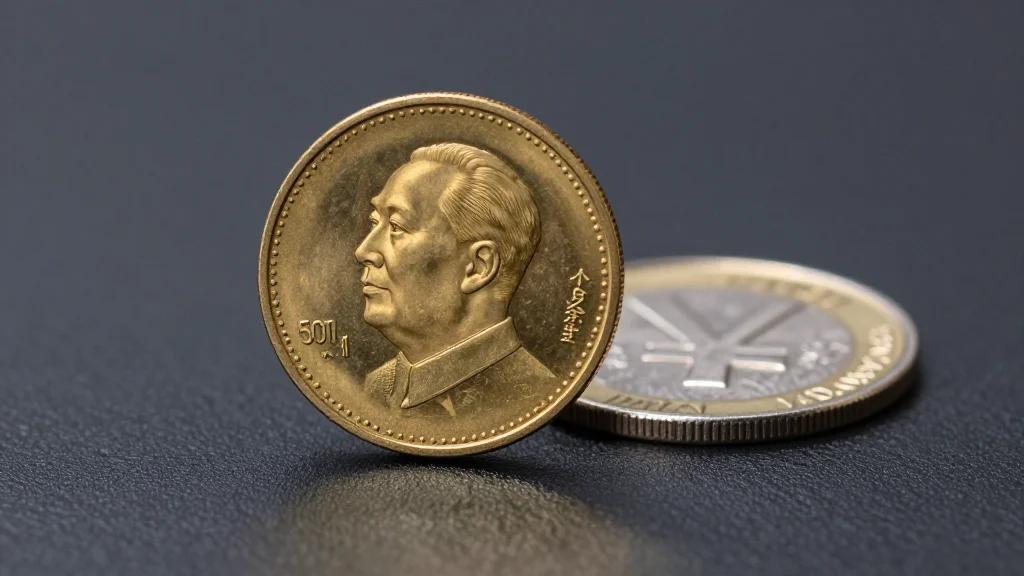
LCH Predicts Yuan Will Overtake Yen as Second‑most Traded Currency in Global FX Options

Companies Mentioned


Why It Matters
The yuan’s elevation to the second‑most traded currency in FX options would reshape the global derivatives landscape. A larger yuan options market deepens liquidity, reduces transaction costs for hedgers, and offers new arbitrage opportunities for traders. It also forces clearing houses and regulators to adapt margin models, collateral frameworks, and risk‑monitoring tools to accommodate the unique characteristics of China’s currency, which operates under a managed float and distinct capital‑flow controls. For investors, the shift signals growing confidence in China’s financial markets and could accelerate the internationalization of the renminbi. Banks may allocate more capital to yuan‑denominated desks, and asset managers could expand exposure to yuan‑linked strategies, influencing capital flows and potentially affecting the broader foreign‑exchange market dynamics.
Key Takeaways
- •LCH forecasts offshore yuan will become the second‑most traded currency in global FX options, overtaking the yen.
- •Projection targets the BIS triennial survey release in 2028.
- •CME Group reported a 9% rise in average daily volume to 26.9 million contracts in Q1 2026, indicating overall market expansion.
- •International business ADV grew 14% to 7.8 million contracts, highlighting stronger cross‑border trading activity.
- •Increased yuan options volume could reshape margin, collateral, and risk‑management practices for clearing houses and banks.
Pulse Analysis
LCH’s forecast is more than a statistical footnote; it marks a strategic inflection point for the FX options ecosystem. Historically, the yen’s dominance stemmed from Japan’s status as a safe‑haven currency and its deep liquidity pool. The yuan’s ascent suggests that investors are increasingly comfortable navigating China’s regulatory environment, likely spurred by the country’s ongoing financial market reforms and the inclusion of the renminbi in global reserve indices.
From a competitive standpoint, clearing houses that can offer robust yuan‑options clearing infrastructure will capture a growing slice of the market. LCH’s early positioning may give it a first‑mover advantage over rivals such as Eurex and ICE, which have historically focused on euro‑centric products. Moreover, the shift could pressure the CME Group to enhance its yuan options offering, especially as its own volume metrics show a healthy appetite for FX derivatives.
Looking ahead, the real test will be whether the yuan’s market share sustains beyond the 2028 BIS survey. If the trend holds, we can expect tighter bid‑ask spreads, more sophisticated pricing models, and a broader range of structured products denominated in yuan. Conversely, any policy reversal in China or a resurgence of yen‑related risk aversion could stall the momentum. Market participants should therefore monitor both macro‑policy signals from the People’s Bank of China and the evolving regulatory stance of clearing houses as the yuan’s options market matures.
LCH predicts yuan will overtake yen as second‑most traded currency in global FX options
Comments
Want to join the conversation?
Loading comments...