Companies Mentioned
Why It Matters
Choosing the right entry‑level shoe reduces injury risk and boosts adherence, a critical factor as the running market expands among health‑conscious consumers. These vetted options give beginners affordable, performance‑aligned choices that can accelerate habit formation.
Key Takeaways
- •Asics Novablast 5 offers balanced cushioning and stability for new runners
- •Nike Pegasus 42 provides reliable, affordable daily training at about $145
- •Adidas Adizero Evo SL delivers lightweight, race‑ready feel without carbon plate
- •Brooks Glycerin GTS 22 adds subtle stability for overpronators
- •Hoka Clifton 10 doubles as comfortable walking shoe for mixed‑activity beginners
Pulse Analysis
The beginner segment of the running‑shoe market has surged as more Americans adopt jogging for fitness and stress relief. Retailers report a 12% year‑over‑year increase in sales of entry‑level trainers, driven by a blend of lifestyle branding and advances in foam technology that make shoes feel lighter and more supportive. However, the abundance of models can overwhelm newcomers, leading many to purchase high‑priced, feature‑laden shoes that exceed their actual needs. Understanding core attributes—cushioning, fit, heel drop, and stability—helps filter out hype and focus on value.
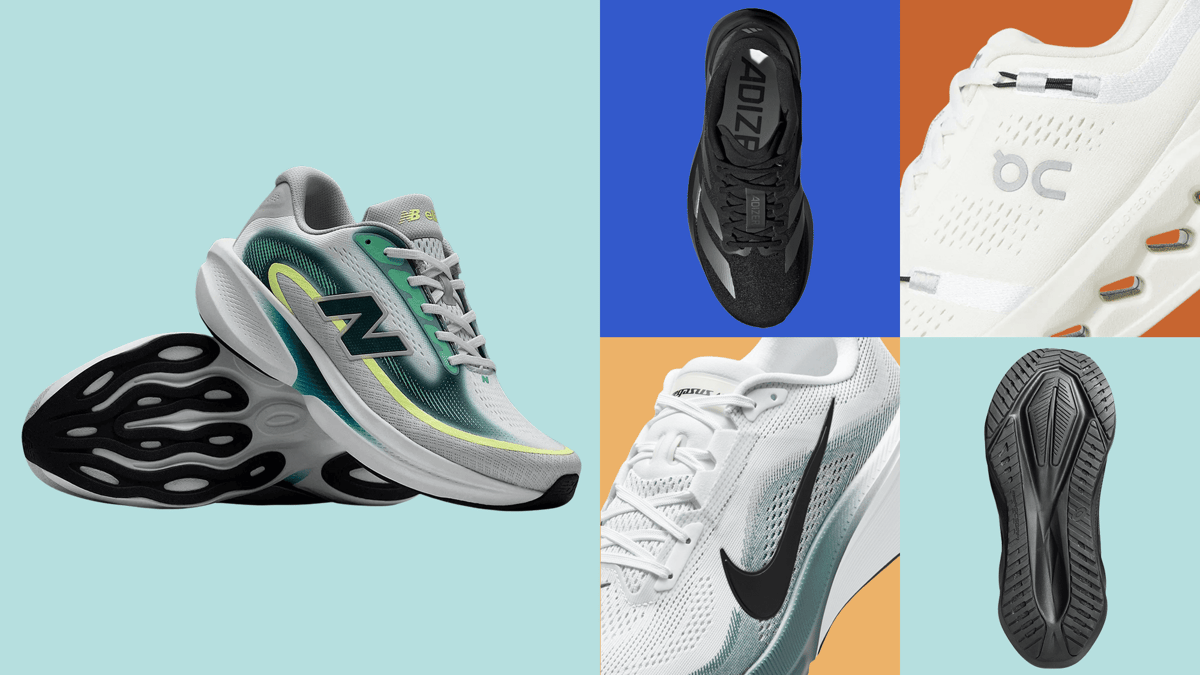
In her GQ roundup, Singleton highlights shoes that strike a pragmatic balance between performance and price. The Asics Novablast 5 combines responsive foam with a wide base, delivering a stable platform for varied paces without the slick wet‑weather traction of some competitors. Nike’s Pegasus 42, priced near $145, remains a workhorse thanks to its proven mid‑sole cushioning and durable upper, making it a go‑to for daily mileage. For runners eyeing race day, the Adidas Adizero Evo SL offers a sub‑8‑ounce frame and springy foam that mimics the feel of carbon‑plated supershoes, yet stays within a beginner’s budget. Stability seekers benefit from Brooks Glycerin GTS 22’s GuideRails system, which subtly corrects overpronation without sacrificing plushness.
Beyond model selection, longevity and injury prevention hinge on proper fit and timely replacement. Most trainers sustain 300‑500 miles before foam compression and tread wear degrade performance. Runners should monitor mid‑foot comfort, heel slippage, and any emerging aches as signals to retire a pair. As the industry leans toward sustainable materials and personalized fit algorithms, beginners can expect future releases to offer even greater durability and tailored support, reinforcing the importance of starting with a well‑chosen, versatile shoe.
7 Best Running Shoes for Beginners of 2026, Tried and Tested
Comments
Want to join the conversation?
Loading comments...