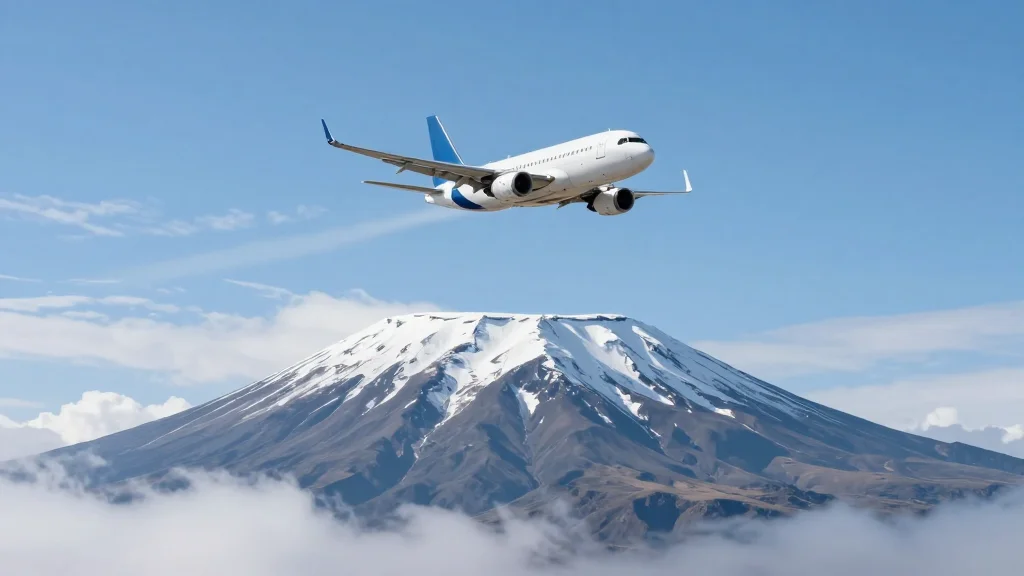
Direct Flights From Europe to Kilimanjaro Set to Surge Tanzania Safari Tourism

Why It Matters
The introduction of nonstop European flights to Kilimanjaro reshapes the logistics of adventure travel, making Tanzania more accessible to a high‑value market segment. By shortening journey times, the routes lower barriers for tourists who might otherwise opt for destinations with more convenient connections, potentially redirecting a share of global safari spend toward Tanzania. The move also underscores the growing importance of air infrastructure in the outdoors economy, where ease of access can dictate the flow of visitors to remote natural assets. Moreover, the development spotlights the tension between tourism growth and sustainability. As visitor numbers rise, pressures on wildlife habitats, waste management systems and carbon emissions intensify. Tanzania’s emphasis on strategic marketing paired with sustainable practices could serve as a model for other destinations seeking to balance economic benefits with environmental responsibility.
Key Takeaways
- •Direct flights launched from Brussels, Rome and London to Kilimanjaro International Airport
- •Travel time reduced by up to six hours, eliminating connecting flights
- •European safari arrivals projected to rise 15‑20% in the first year
- •Potential creation of 1,200 jobs per additional 10,000 tourists
- •Tourism ministry emphasizes sustainable practices alongside growth
Pulse Analysis
Tanzania’s new European routes arrive at a pivotal moment for the global outdoors market. Post‑pandemic travelers are gravitating toward experiences that combine physical challenge with authentic wildlife encounters, and Kilimanjaro’s dual appeal as a trekking icon and safari gateway fits that demand perfectly. Historically, the region’s tourism relied heavily on indirect flights through hubs like Doha or Istanbul, which added cost and complexity. By cutting out these layovers, Tanzania not only improves the visitor experience but also captures a larger slice of the European adventure travel budget, which has been expanding at an estimated 8% annually.
From a competitive standpoint, the move pits Tanzania against established East African hubs such as Nairobi’s Jomo Kenyatta International Airport, which has long benefited from direct European links. However, Kilimanjaro’s unique positioning—offering both high‑altitude climbing and proximity to the Serengeti—creates a differentiated product that can attract niche travelers willing to pay premium prices. The anticipated 15‑20% lift in European arrivals could translate into an incremental $150‑$200 million in tourism revenue, assuming average spend per visitor remains consistent with pre‑pandemic levels.
The sustainability dimension cannot be overlooked. Increased air traffic contributes to carbon emissions, while higher footfall in protected areas risks ecological degradation. Tanzania’s proactive call for carbon‑offset initiatives and stricter waste protocols suggests an awareness that the long‑term viability of its tourism sector hinges on responsible growth. If the country can successfully integrate these measures, it may set a benchmark for other destinations seeking to scale adventure tourism without compromising conservation goals. The next six months will reveal whether the flight frequencies meet demand, how quickly airlines adjust capacity, and whether the projected economic benefits materialize without eroding the natural assets that make Kilimanjaro a world‑renowned destination.
Direct Flights from Europe to Kilimanjaro Set to Surge Tanzania Safari Tourism
Comments
Want to join the conversation?
Loading comments...