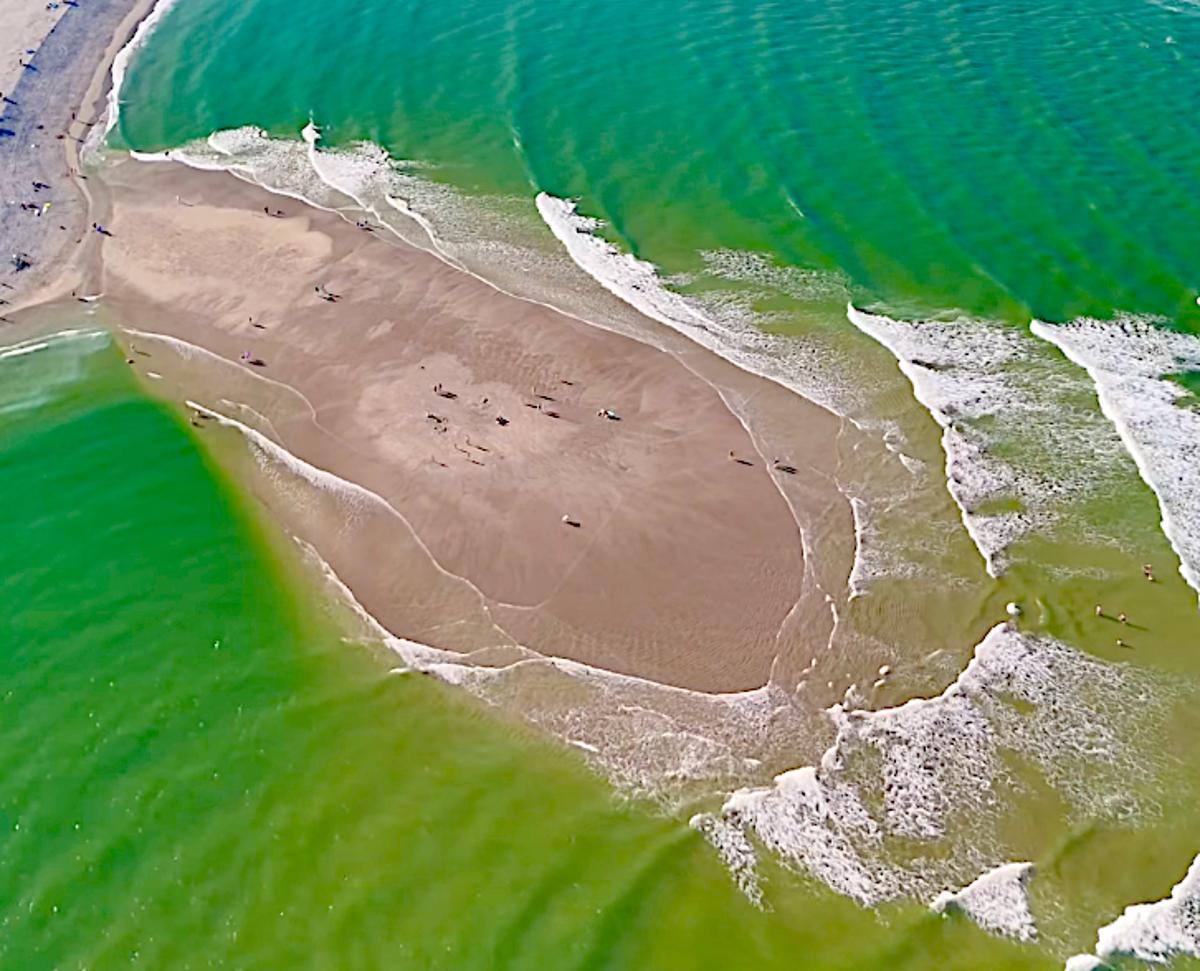
Freak Florida Sandbar Spins Up Rare Novelty Waves: ‘It Finally Happened’ (Video)
Companies Mentioned
Why It Matters
The unexpected surf break highlights how coastal engineering can create short‑term tourism boosts, while underscoring the need to balance erosion control with recreational opportunities. It signals potential economic gains for local surf‑related businesses and raises awareness of environmental trade‑offs.
Key Takeaways
- •Government dredging unintentionally created a temporary surf break
- •Jupiter surfers can ride novelty waves until sand shifts
- •Similar sandbar wave formed on Australia's Gold Coast
- •Sand bypass projects aim to combat coastal erosion
- •Novel surf spots can boost local tourism briefly
Pulse Analysis
Coastal nourishment projects, like the Jupiter inlet sand‑trap dredging, are primarily designed to counteract shoreline erosion caused by disrupted littoral drift. By pumping sand offshore, engineers restore natural sediment flow, but the process can also generate unintended topographical features. In this case, the newly formed sandbar created an A‑frame wave that attracted local surfers and social‑media attention, illustrating how infrastructure work can produce ancillary recreational assets. While such surf spots are transient, they demonstrate the complex interplay between engineered solutions and natural coastal dynamics.
The surf community’s rapid response to the Jupiter sandbar underscores the economic ripple effects of unexpected wave formations. Local surf shops, rental services, and hospitality venues stand to benefit from a surge of visitors seeking to ride the novelty break, even if only for a few days. This mirrors the Gold Coast incident, where a dredging mishap sparked a brief surf craze, prompting discussions about leveraging engineered coastal changes for tourism promotion. Stakeholders may consider integrating surf‑friendly design elements into future nourishment projects to maximize ancillary revenue streams.
However, the fleeting nature of these artificial breaks raises environmental and planning considerations. Sandbars can shift or dissolve as currents re‑establish, potentially impacting marine habitats and navigation channels. Authorities must balance erosion mitigation goals with the ecological footprint of large‑scale sand movements. Ongoing monitoring and adaptive management can help ensure that while coastal protection remains paramount, the occasional surf boon is responsibly integrated into broader shoreline stewardship strategies.
Freak Florida Sandbar Spins Up Rare Novelty Waves: ‘It Finally Happened’ (Video)
Comments
Want to join the conversation?
Loading comments...