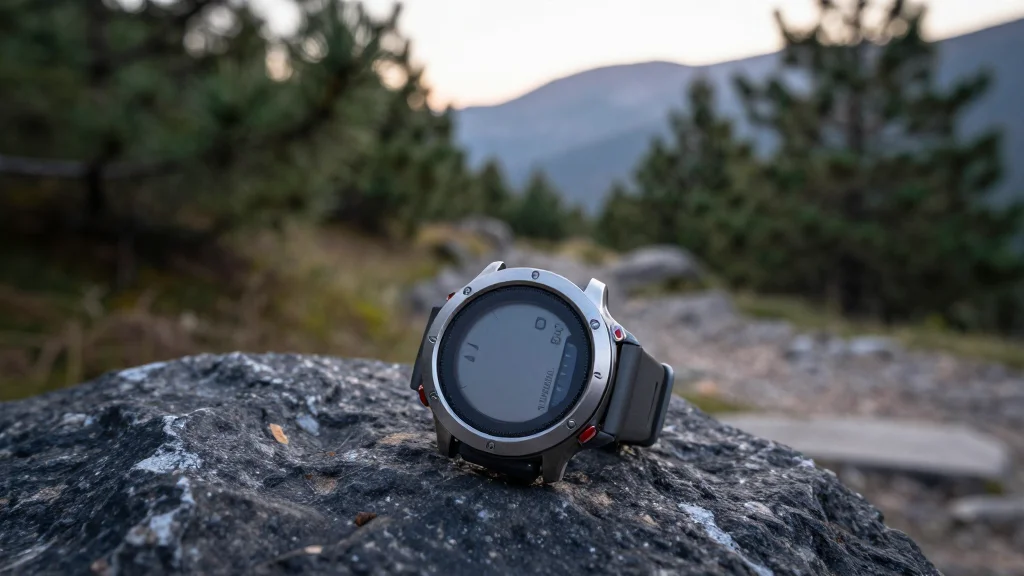
Garmin Rolls Out Fenix 7 Multisport Tracker, Pricing Starts at €700

Companies Mentioned
Why It Matters
The Fenix 7’s introduction highlights the growing convergence of fitness tracking, navigation and AI coaching in a single rugged device, a trend that could redefine how outdoor athletes train and stay safe. By offering solar charging and offline maps, Garmin addresses the specific needs of Alpine enthusiasts, potentially raising consumer expectations for durability and autonomy in wearable tech. The watch also intensifies competition with mainstream smartwatches, pushing the entire market toward more specialized, performance‑focused features. For retailers and investors, the strong demand reported in the DACH region signals that premium, purpose‑built wearables can command higher price points and sustain growth despite the presence of lower‑cost alternatives. Garmin’s ability to leverage its established ecosystem may set a benchmark for how niche hardware can thrive alongside broader consumer platforms.
Key Takeaways
- •Garmin’s Fenix 7 multisport tracker launches in DACH region at €700 (~$750)
- •Features include solar charging, 18‑day battery life, AI coaching and offline topo‑maps
- •Device measures heart rate, SpO₂, stress and provides VO₂ max estimates
- •Global fitness‑tracker market growing >15 % annually; Garmin gets ~40 % of its revenue from fitness
- •Competition from Apple Watch Ultra, Samsung, Suunto and Coros drives innovation in rugged wearables
Pulse Analysis
Garmin’s latest Fenix 7 release is a strategic play to cement its leadership in the premium outdoor‑wearable niche. Historically, Garmin has thrived by focusing on specialized metrics and durability, a formula that resonated with serious athletes and adventurers. The addition of solar charging and AI‑driven recovery insights reflects a shift toward longer‑term autonomy and data‑rich coaching, addressing pain points that mainstream smartwatches have struggled to solve for remote users.
The competitive landscape is sharpening. Apple’s Watch Ultra leverages a massive consumer ecosystem, while Samsung pushes integration with its Galaxy suite. Yet neither offers the same depth of offline navigation or the rugged certification that Alpine users demand. Garmin’s advantage lies in its proprietary Connect platform and a track record of incremental firmware upgrades that keep devices relevant for years. This longevity can justify the higher price tag and may attract a segment of consumers willing to invest in a device that outlives typical smartphone‑linked wearables.
Looking ahead, the success of the Fenix 7 will hinge on how quickly Garmin can expand its AI coaching algorithms and deepen third‑party app partnerships. If the company can deliver meaningful, personalized insights without sacrificing battery life, it could set a new standard for performance wearables. Conversely, failure to keep pace with ecosystem integration could open a window for rivals to erode Garmin’s market share, especially as younger athletes gravitate toward devices that blend lifestyle and sport. The next firmware cycle and any announced price‑tier expansions will be critical signals of Garmin’s ability to sustain its premium positioning.
Garmin Rolls Out Fenix 7 Multisport Tracker, Pricing Starts at €700
Comments
Want to join the conversation?
Loading comments...