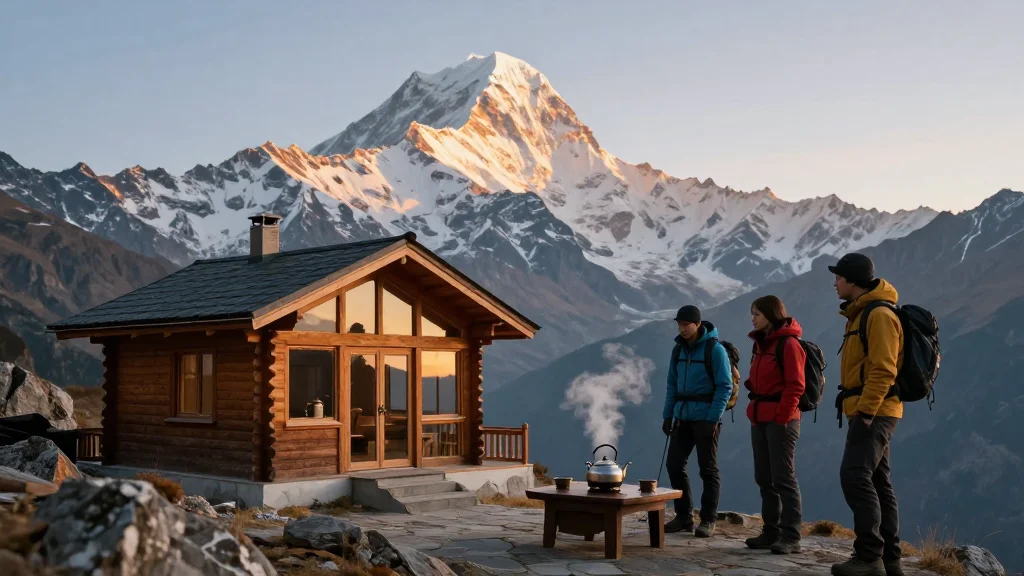
Manaslu Circuit Trek Poised to Become Nepal’s Next High‑Altitude Hotspot

Why It Matters
The surge in interest for the Manaslu Circuit reflects a broader shift in outdoor recreation toward off‑the‑beaten‑path experiences that prioritize cultural immersion and environmental stewardship. For Nepal, the trek offers a diversification of tourism revenue beyond the over‑crowded Everest and Annapurna corridors, potentially stabilizing local economies in remote districts. If managed responsibly, the Manaslu Circuit could become a benchmark for sustainable high‑altitude tourism, demonstrating how permit controls, community‑based guiding, and premium service models can coexist with conservation goals. The outcome will inform policy decisions for other emerging trails across the Himalayas and beyond.
Key Takeaways
- •Discover Altitude Treks introduced a free‑spot incentive for groups of ten on the Luxury Manaslu Circuit.
- •The trek encircles Mount Manaslu (8,163 m) and includes the 5,106 m Larkya La Pass.
- •Permit access remains tightly regulated to protect the environment and local culture.
- •Demand is rising among international trekkers seeking less‑crowded, high‑altitude adventures.
- •Upcoming October‑December 2026 season will test the trek’s capacity and sustainability measures.
Pulse Analysis
The Manaslu Circuit’s ascent as Nepal’s next adventure flagship is more than a marketing success; it signals a maturation of the global trekking market. Over the past decade, the industry has moved from mass‑market, budget‑driven expeditions toward niche, experience‑focused travel. Luxury operators like Discover Altitude Treks are capitalizing on this trend by bundling high‑end services with authentic cultural encounters, a formula that resonates with affluent millennials and Gen Z travelers who value storytelling over sheer mileage.
Historically, Nepal’s tourism revenue has been heavily weighted toward the Everest Base Camp and Annapurna circuits, which together account for roughly 70% of trekking permits. The deliberate capping of Manaslu permits—currently limited to about 300 trekkers per season—creates scarcity that can command premium pricing while limiting ecological footprints. If the group incentive succeeds in filling larger parties without inflating overall numbers, it could demonstrate a scalable model for other under‑utilized trails, balancing economic uplift for remote villages with the preservation of fragile alpine ecosystems.
Looking forward, the key risk lies in managing growth without repeating the overtourism pitfalls that have plagued Everest. Stakeholders will need to coordinate on trail maintenance, waste management, and community benefit‑sharing. Should the Manaslu Circuit maintain its trajectory, it may catalyze a new era of high‑altitude tourism where sustainability and luxury are not mutually exclusive but mutually reinforcing.
Manaslu Circuit Trek Poised to Become Nepal’s Next High‑Altitude Hotspot
Comments
Want to join the conversation?
Loading comments...