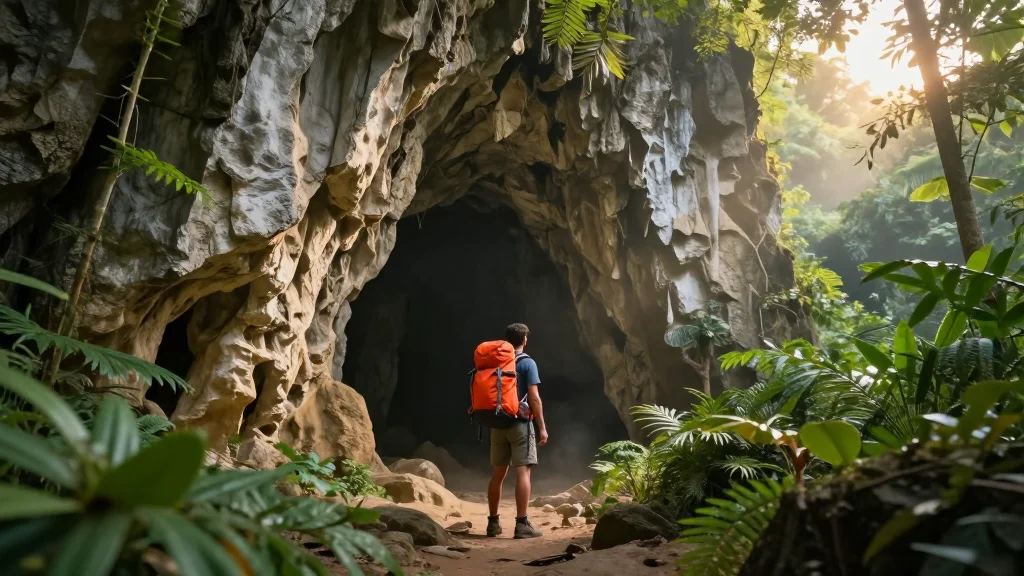
Quang Binh Launches International TV Campaign to Boost Son Doong Cave Tourism

Why It Matters
Son Doong’s ascent as a flagship adventure destination could reshape Vietnam’s tourism landscape, shifting focus from traditional beach resorts to high‑value, nature‑based experiences. Increased visitation promises economic uplift for remote communities, but also amplifies the responsibility to protect a globally unique geological treasure. The campaign’s success will test how effectively Vietnam can market remote natural assets while enforcing sustainable tourism practices. Moreover, the initiative signals a broader trend among emerging destinations: leveraging high‑impact media to compete on the world stage for adventure travelers. As more countries invest in similar promotions, the market for premium outdoor tourism is likely to become more competitive, driving innovation in visitor management and experience design.
Key Takeaways
- •Quang Binh province launches an international TV advertising campaign for Son Doong cave.
- •Campaign targets adventure‑travel markets in Europe, North America, and East Asia.
- •Son Doong is the world’s largest cave, located within UNESCO‑listed Phong Nha‑Ke Bang National Park.
- •Tourism officials stress sustainable growth; permit limits remain in place.
- •The push aims to diversify Vietnam’s tourism away from beach‑centric offerings.
Pulse Analysis
Vietnam’s decision to invest in a television‑driven promotion for Son Doong reflects a calculated gamble on the premium adventure‑tourism segment. Historically, the country’s tourism growth has been anchored by its coastline, yet global travel trends now favor authentic, nature‑centric experiences. By spotlighting a cave that dwarfs most natural attractions, Quang Binh is attempting to capture a niche of high‑spending explorers who are less price‑sensitive and more interested in unique, story‑rich destinations.
The campaign’s reliance on traditional broadcast media is noteworthy. While digital platforms dominate younger traveler outreach, television still commands broad reach in many target markets, especially among affluent demographics that consume travel programming on premium channels. This dual‑channel approach could broaden the cave’s appeal beyond the typical backpacker crowd to include luxury adventure seekers, potentially raising average spend per visitor.
However, the initiative also raises operational challenges. The existing permit system caps annual visitors to protect the cave’s ecosystem, meaning any surge in demand must be carefully managed to avoid over‑tourism. Success will hinge on the province’s ability to scale infrastructure—such as transport, lodging, and guide services—without compromising environmental safeguards. If Quang Binh can demonstrate a model where high‑visibility marketing coexists with strict conservation, it may set a template for other remote natural sites seeking to balance economic development with preservation.
In the broader Southeast Asian context, the move positions Vietnam as a serious contender in the competitive adventure‑tourism market, challenging neighboring countries like Thailand and Laos that have long marketed jungle treks and river expeditions. As travelers increasingly seek singular, awe‑inspiring experiences, Son Doong’s global profile could become a decisive factor in regional tourism flows, reshaping itineraries and influencing future investment in outdoor infrastructure across the region.
Quang Binh Launches International TV Campaign to Boost Son Doong Cave Tourism
Comments
Want to join the conversation?
Loading comments...